
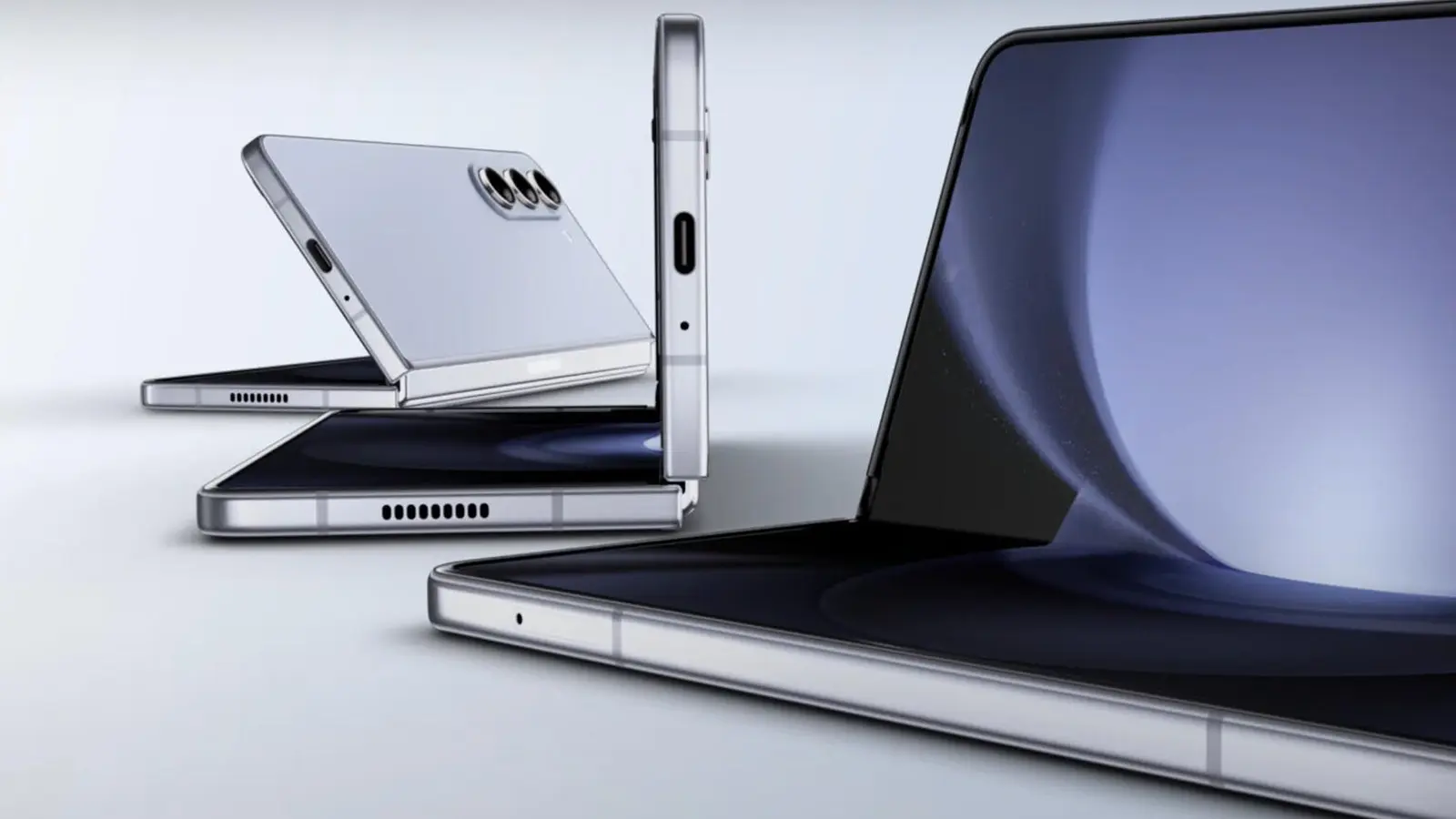
Picture a phone lineup that tries to be everything at once: a tablet in your pocket, a pocketable TV, and a bold experiment rolled into a single family. That, according to insiders speaking to ETNews, is exactly what Samsung is plotting for the Galaxy Z9 generation.
Production momentum is already real. The Galaxy Z Fold8 sold so well that Samsung raised this year’s production target by one million units. Riding that wave, the company is said to be planning five distinct foldables for next year: two wide-folding Z Folds, a Fold Ultra, a refreshed Z Flip, and a more widely available tri-fold device. Yes, the Z Flip lives on. The budget Flip FE, however, appears to be gone for good.
A screen made for cinema, not photos
Why two wide foldables? It comes down to aspect ratios and how people actually use their phones. The Fold8’s inner screen favors a 4:3 shape, which is great for photos, documents, and web pages. But video is often not filmed that way. Standard HDTV is 16:9 and many films use 21:9 or wider. On a tall 4:3 display you get thick black bars top and bottom. Wider displays reduce that letterboxing and make video—especially cinematic content—feel more natural on a handheld device.

Samsung already offers variety in its foldable sizes. The Fold8 is wider than it is tall by design. The Fold8 Ultra, in contrast, leans toward an almost square panel. The rumored second wide Fold will be tuned specifically for watching movies and games, though it’s still early days and details remain scarce.
Consider the lineup as a set of use-cases rather than just model names. One Fold that excels at productivity and books. Another optimized for streaming and gaming. An Ultra for power users who want a near-tablet canvas. A Flip that keeps the clamshell spirit alive. And a tri-fold that might finally move beyond niche curiosity to a broader release.
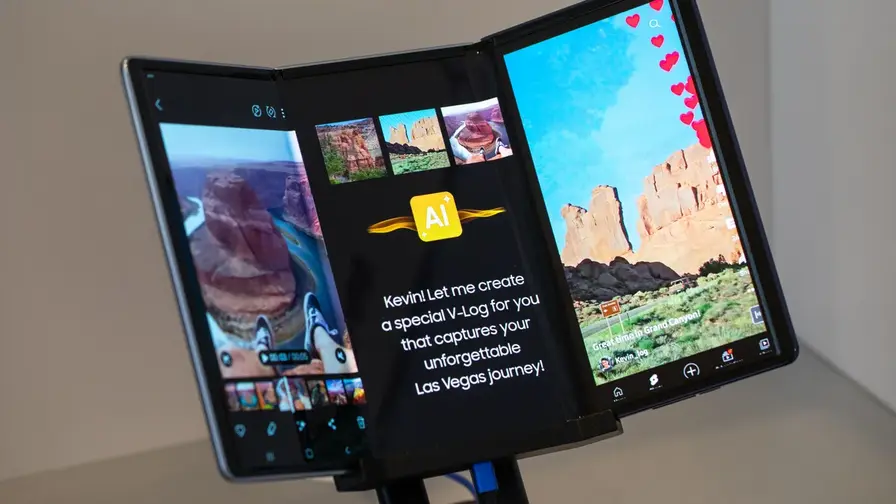
Tri-folds have been treated like lab samples so far: interesting, awkward, limited in availability. Samsung’s original Z TriFold was experimental with a small commercial run. The next iteration is expected to be more widely available, though don’t expect a bargain price. Ambition usually comes at a cost.

It’s a bold strategy. Splitting the Z series into focused models could help Samsung cover more ground against competitors and attract users who want a screen built around their habits—reading, streaming, multitasking. Execution will matter. Component supply, pricing, and real-world ergonomics will decide whether this many options is genius or just confusing.
One thing seems certain: Samsung is betting that foldables are no longer a niche experiment but a product category worth expanding. Whether consumers embrace five different folding phones next year remains the question.

“I love exploring gadgets, apps, and trends that redefine how we connect, work, and play in a digital world.”

Discussion
Leave a Comment
Comments (2)
Love the ambition but five models feels overkill tbh. Make one killer Fold and refine it, dont spread tech thin. pricing will tell.
wait, FIVE foldables? thats nuts. cool idea but supply chains, price, battery life, how many people actually need all that? curious...