
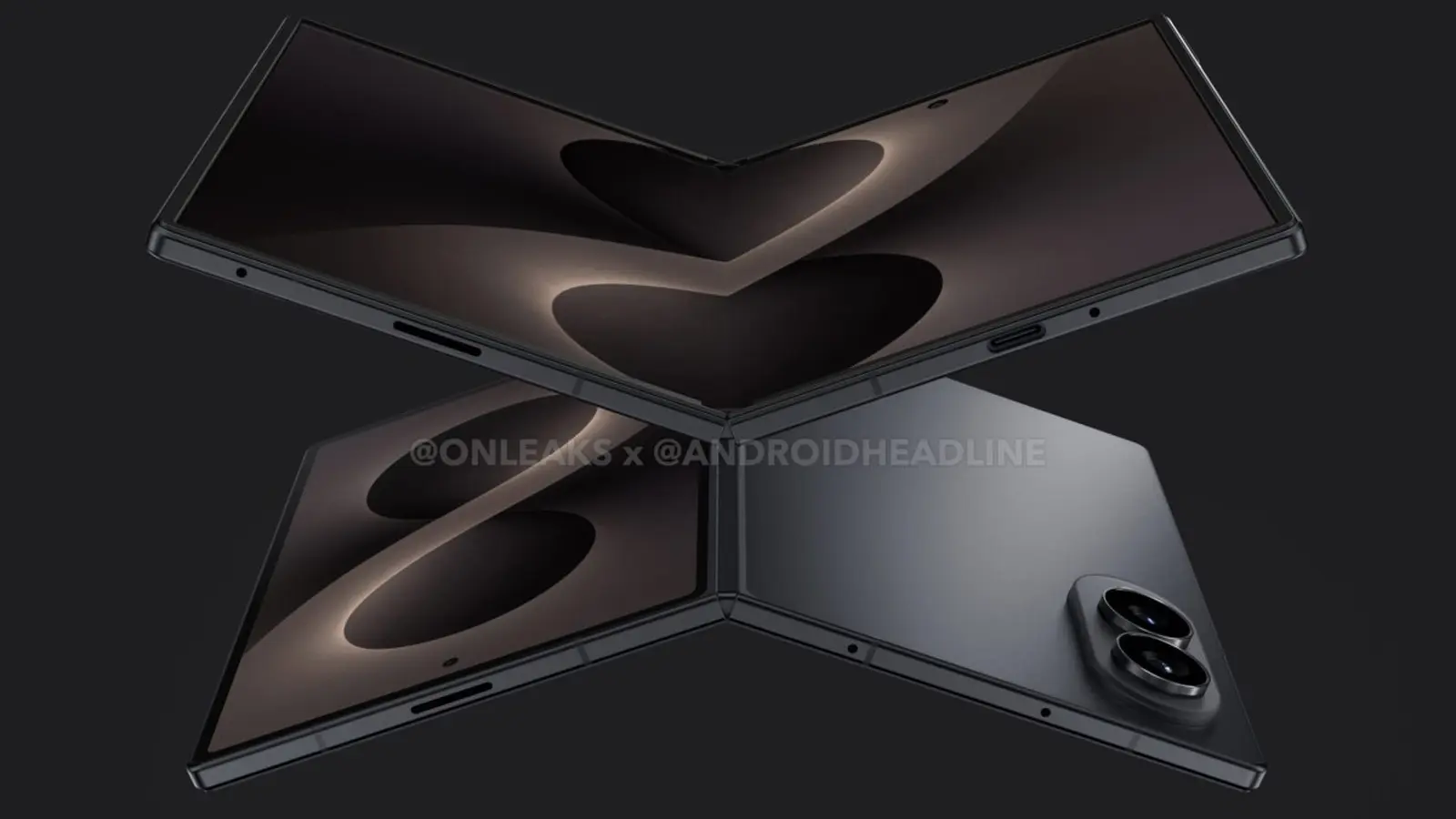
There is a tiny layer on a folding phone that quietly shapes how it feels in your hand. It is easy to overlook. But change that layer and the whole experience shifts.
A fresh leak suggests Samsung plans to fit the wider Galaxy Z Fold8 variant with a thicker piece of ultra-thin glass. The tip places the Fold8 Wide's UTG at about 60 µm, while the taller Galaxy Z Fold8 Ultra would keep a slimmer 45 µm sheet, the same thickness used on the current Fold7. Both devices are expected to appear in July alongside the Galaxy Z Flip8.
Why thickness matters — and why it is a trade off
Ultra-thin glass sits on top of the flexible AMOLED panel. It reduces the visibility of the crease and protects against knocks and drops. Thicker glass can make that crease less obvious. The screen looks cleaner. The tactile feel when you fold and unfold can feel sturdier too. Short sentence. Impact.
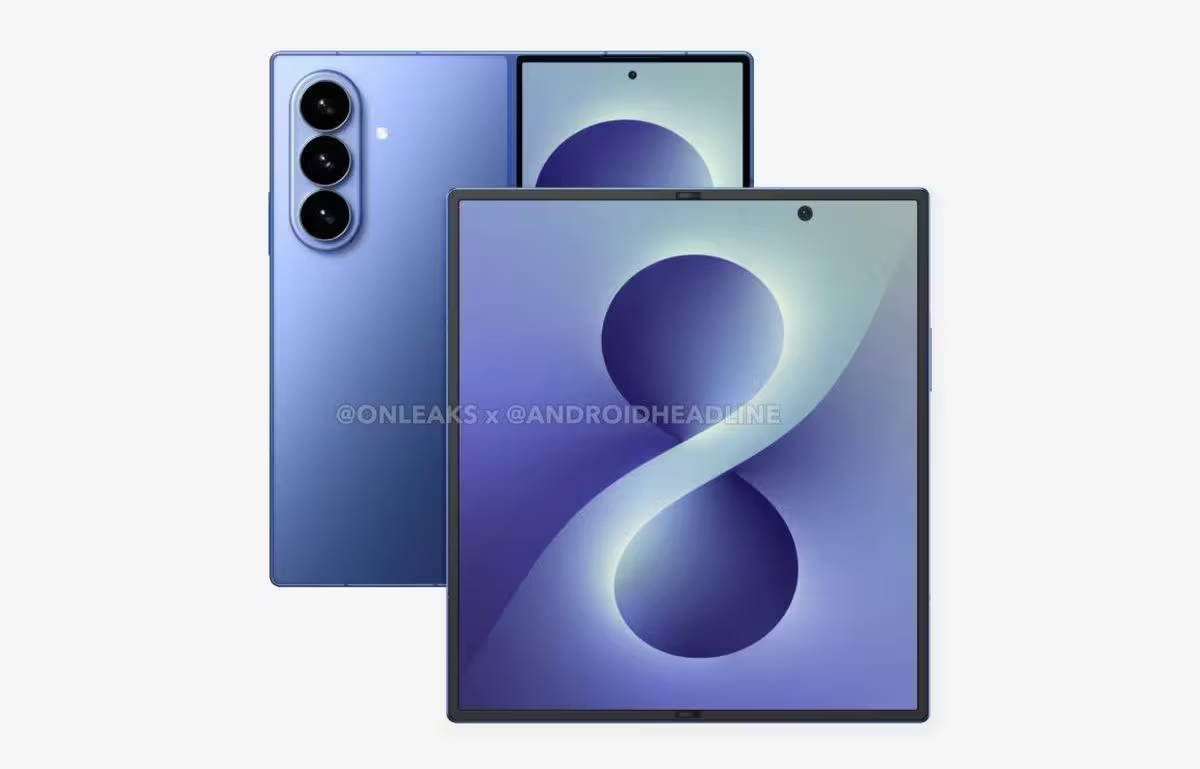
But thicker is not always better. A 60 µm layer bends less easily. Repeated folding adds stress. Over time that stress can show up as microfractures or reduced resilience. A thinner 45 µm layer flexes more and can endure many cycles without concentrating stress in one spot. Engineers choose thickness as a balancing act between durability, crease visibility, and long term reliability.
So why would Samsung diverge between two Fold8 models? One possibility is display geometry. The wider panel may hide a crease more effectively with a thicker top layer. Or Samsung could be prioritizing a cleaner look on one model while keeping peak fold endurance on the other. Another factor: manufacturing yields. Thicker UTG can be easier to handle during assembly and less likely to crack during production.
If the 60 µm approach proves successful on the Fold8 Wide, sources say Samsung is considering applying the same recipe to the Fold8 Ultra's successor in 2027. That would be a slow, careful rollout rather than a wholesale switch overnight.
Expect more clarity when Samsung lifts the veil in July. Until then, this leak offers a reminder that small materials choices can have outsized effects on how foldables feel and age. The numbers matter. The difference between 45 µm and 60 µm is subtle on paper but palpable in daily use.

“I love exploring gadgets, apps, and trends that redefine how we connect, work, and play in a digital world.”

Discussion
Leave a Comment
Comments
No comments yet. Be the first.