
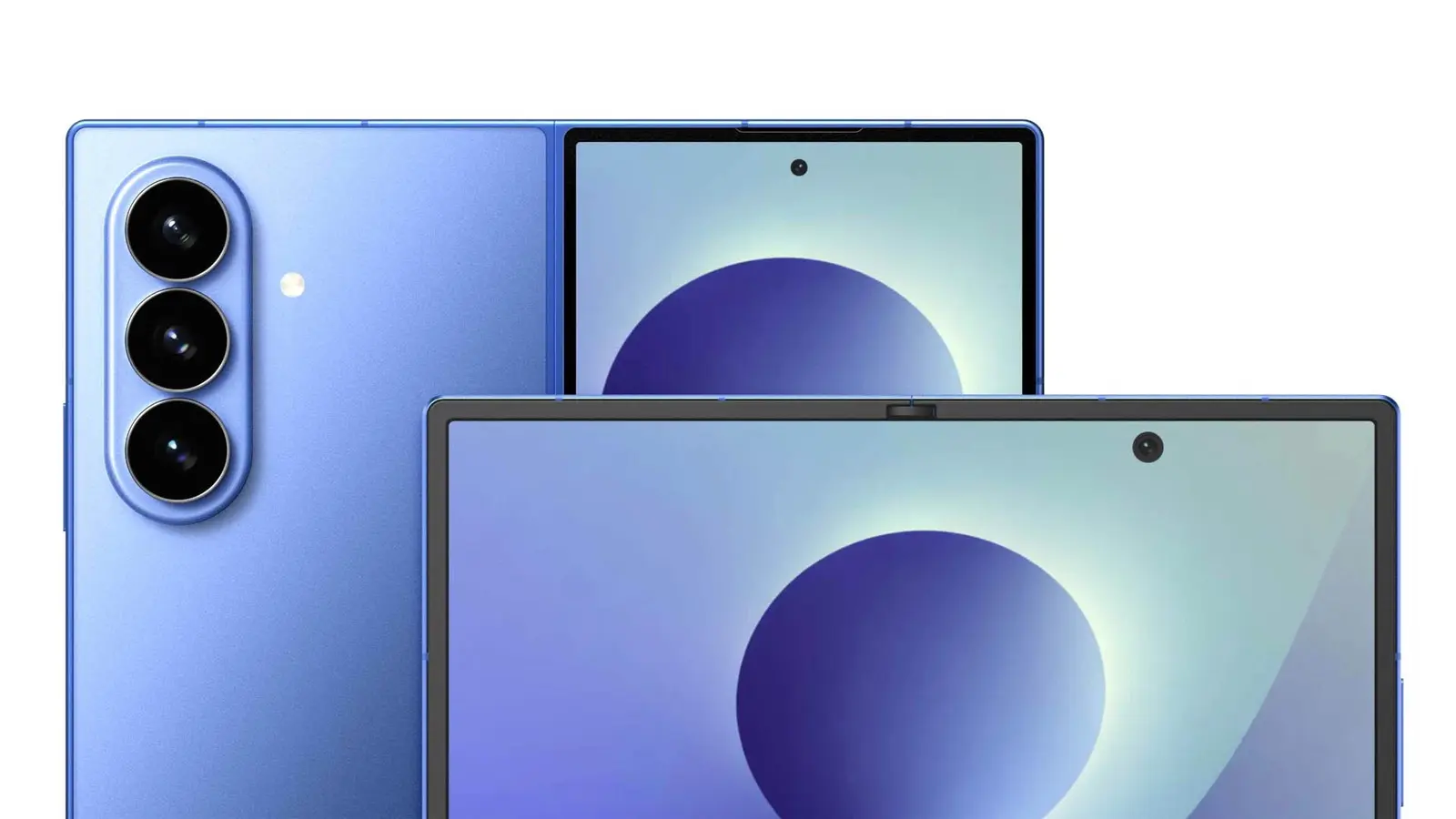
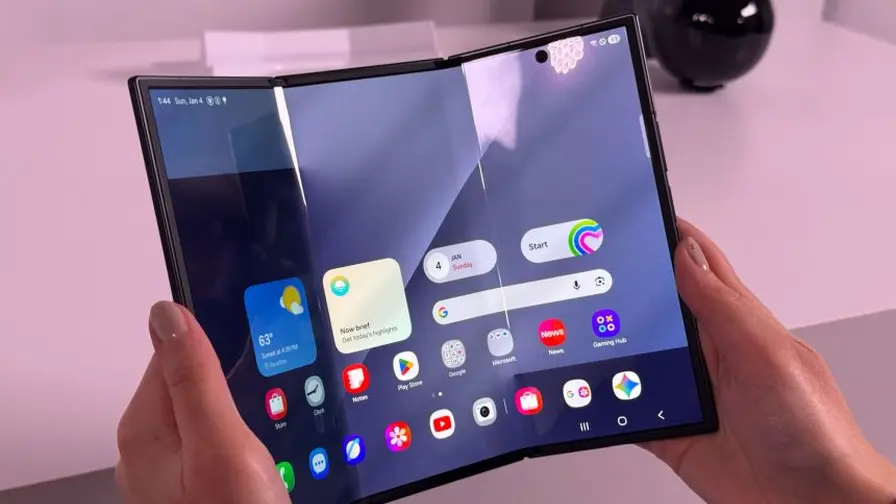
There is a small line that tells the story of every foldable phone: the crease. Visible, stubborn, and often the first thing critics point to. Manufacturers have tried soft polymers, hinge redesigns, and clever screen stacks. Now Samsung appears to be taking a different tack—thicker ultra thin glass to make that fold look less like a permanent wrinkle.
Putting the fold under the microscope
According to a ZDNet Korea report, Samsung’s next Wide Fold will use UTG that measures about 60μm, roughly 30 percent thicker than the 45μm glass on the Galaxy Z Fold 8. That may sound like a tiny change. In practice, it alters how the screen flexes, how light catches the fold, and how resistant the surface is to sharp contact. Thicker glass stiffens the display just enough to soften the visible crease without returning to brittle, old-school folding problems.
Apple has reportedly been experimenting with different UTG thicknesses for its own iPhone Fold and is even testing a protective film layered over the glass to cut down on scratches. Samsung seems to be borrowing from that playbook: not copycatting for the sake of it, but responding to a design direction the market is starting to reward—cleaner primary displays with fewer blemishes.
There are tradeoffs. Thinner UTG reduced the chance of catastrophic breakage when the device is fully folded. Thicker UTG improves appearance and scratch resistance, but it demands more precise engineering to survive the long haul—think hundreds of thousands of open-and-close cycles. Engineers here are chasing a mechanical sweet spot: durability without a visible fold.

Thicker UTG promises a cleaner screen but raises cost and engineering hurdles.
The other practical limit is cost. Building a display that must endure roughly 200,000 folds while keeping a slim profile is an expensive proposition, requiring new production tolerances and testing regimes. That means a serious euro investment in R&D and supply chain tweaks. Still, with the iPhone Fold slated to enter the market later this year, Samsung and other vendors will feel pressure to match the visual refinement buyers now expect.
So what changes for users? Mostly a less distracting viewing surface. Apps, photos, and video will no longer have that faint valley running through the center. For those who frown at the sight of a crease every time they unlock their phone, that is a meaningful upgrade. For the industry, the move signals that foldable design has entered a new phase: subsuming brittle engineering compromises in favor of displays that feel more like traditional glass.
Will thicker UTG be the final answer? Probably not. This is an iterative race. Materials, hinge geometry, and protective layers will keep evolving. But the shift toward slightly thicker glass is a clear step: manufacturers are prioritizing screen clarity and long-term usability, even if it costs more to get there.

“I love exploring gadgets, apps, and trends that redefine how we connect, work, and play in a digital world.”

Discussion
Leave a Comment
Comments (2)
Is thicker glass really the answer? sounds like higher cost, trickier engineering, and then... who pays?
Wow, makes sense, less crease and more like real glass. Hope they dont bloat the phone, and it survives 200k folds... if that even works