
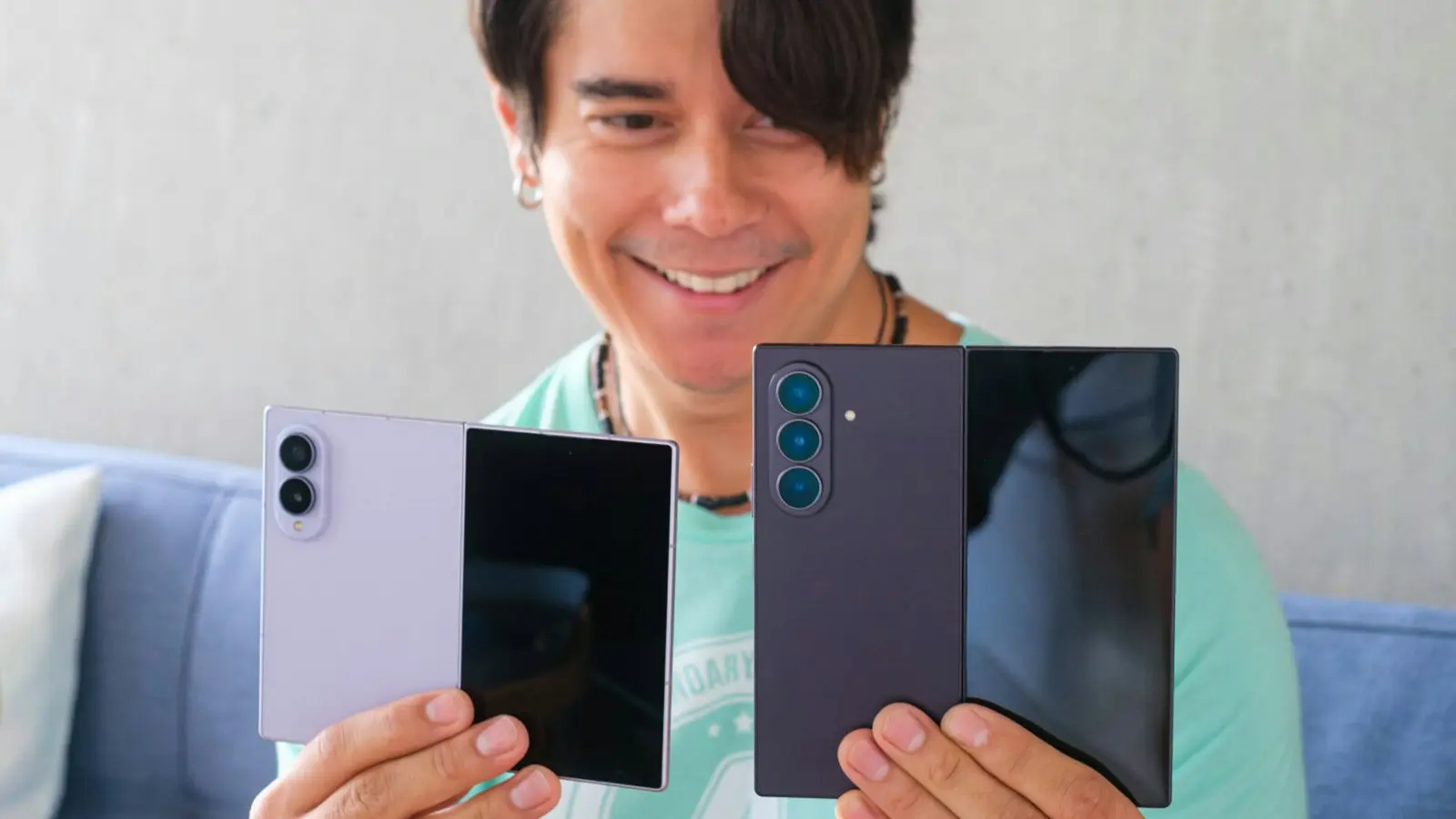
Assembly lines speed up. Orders arrive in a single, heavy wave. Samsung has quietly nudged its target for the Galaxy Z Fold8 higher — not by a few thousand, but by an eye-catching one million units.
A demand spike that surprised suppliers
According to industry reporting, the company initially planned to produce 2.8 million Galaxy Z Fold8 units this year, alongside 2.0 million Z Fold8 Ultra units and 1.5 million Z Flip8 handsets. The updated directive pushes Fold8 output to nearly 4 million units for 2026, and component suppliers have reportedly received the extra orders.
Numbers tell part of the story. Samsung’s Z8 family shattered pre-order records the company hadn’t seen since the heyday of the Galaxy Note. In South Korea alone, 1.44 million Z8 units were pre-ordered, and roughly 70% of those reservations were for the wider Fold8 model. Europe’s appetite has been strong as well, with the Fold8 accounting for about 40% of pre-orders there.
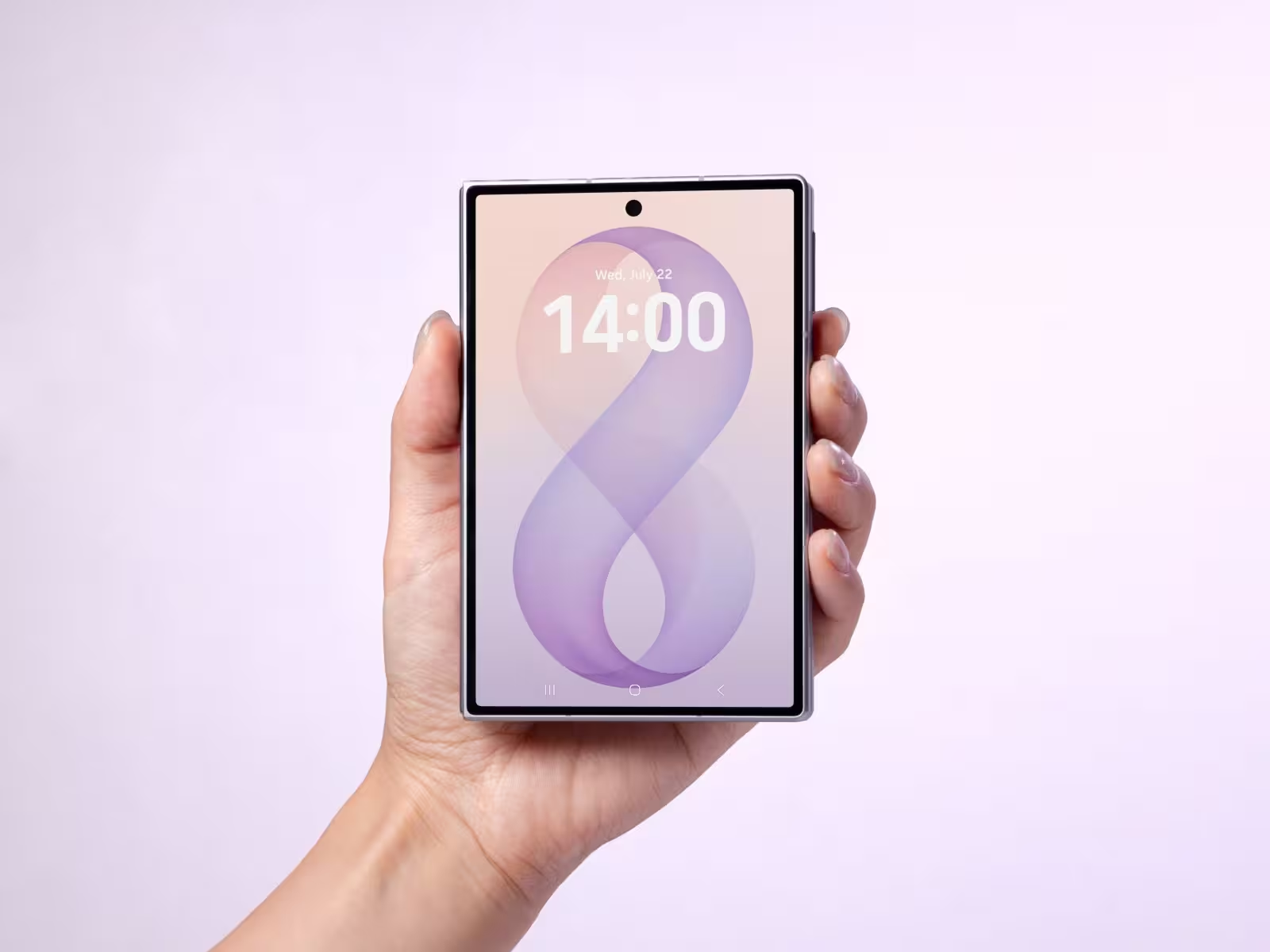
Why the rush? Some inside sources point to rising memory prices. When storage costs climb, buyers chase deals that feel like bargains — for example, a 512GB option sold at the price of a 256GB tier. That kind of perceived value can accelerate early demand, and in this case it appears to have amplified interest in the wide-fold format.
The Fold8’s broader screen is no accident. Huawei first pushed this form factor with its Pura X models, but Huawei’s current position limits how much it can capitalize on the trend. Apple is reportedly experimenting with a wide foldable of its own, rumored to carry the iPhone Ultra name, though timing remains uncertain and delays are possible.
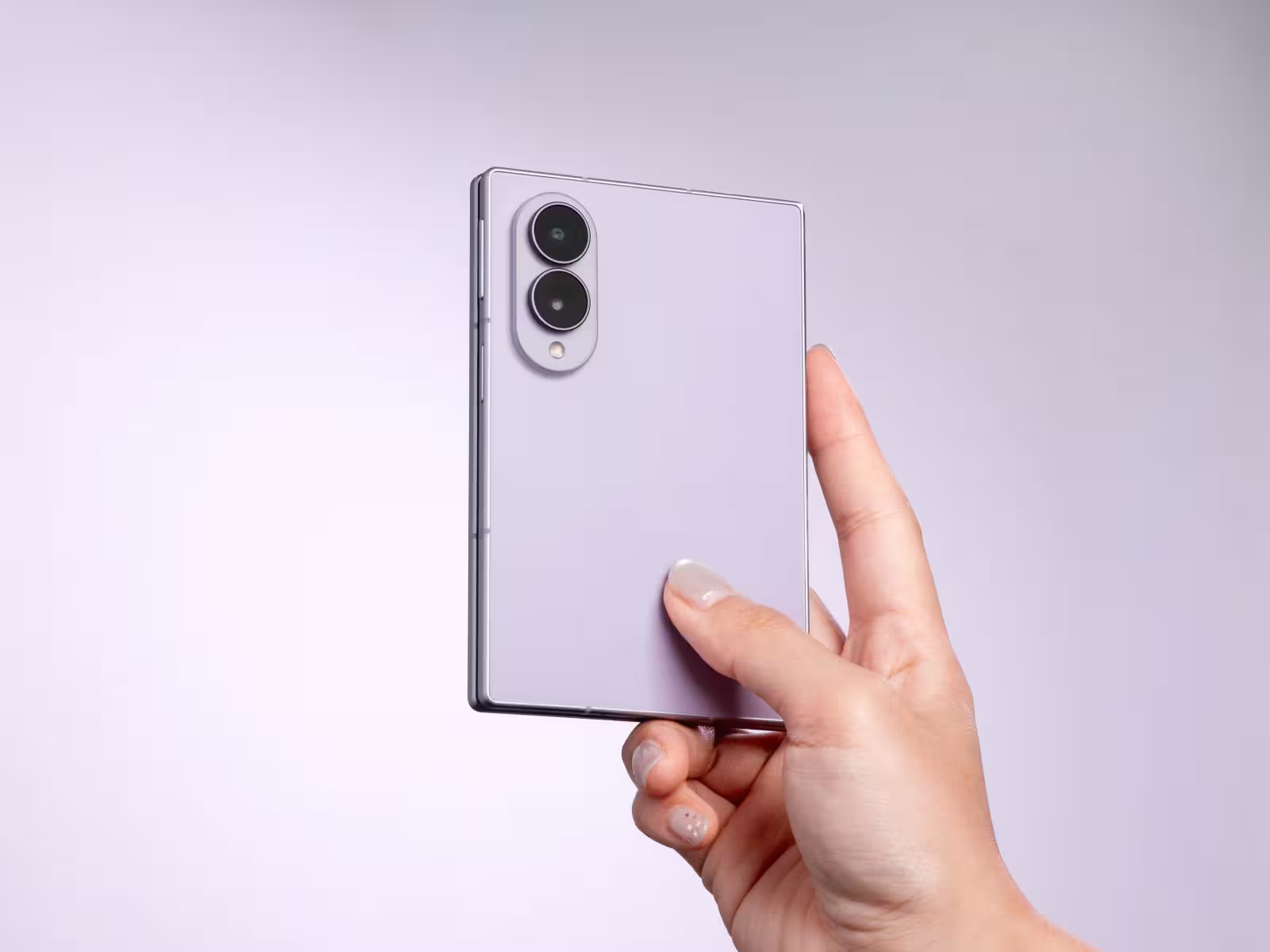
For Samsung, the decision to ramp production says one thing plainly: consumers are ready to treat foldables as mainstream devices, not niche curiosities. For rivals, the message is clearer — if you want a piece of the foldable boom, you’ll need speed, supply and a sharp value proposition.
Who gains if the market keeps heating up? Buyers get more choice and better pricing pressure. Manufacturers face a fresh supply-chain test. And for the rest of the industry, it’s another reminder that hardware trends can pivot fast.

“I love exploring gadgets, apps, and trends that redefine how we connect, work, and play in a digital world.”

Discussion
Leave a Comment
Comments
No comments yet. Be the first.