
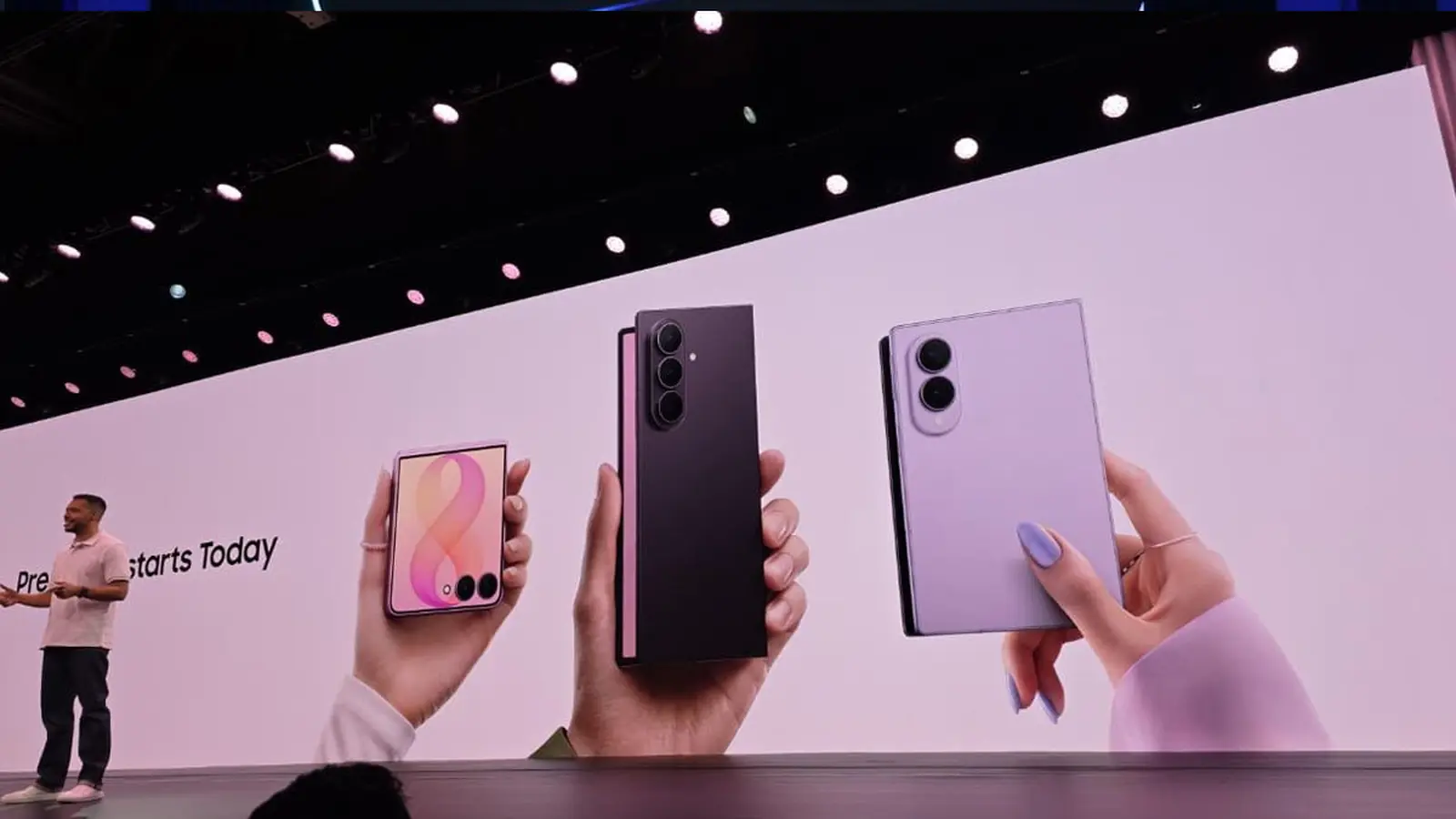
Picture a crowded retail floor: displays flashing, staff fielding questions, shoppers weighing options. Amid the noise, one brand quietly sings a different tune—resilience. That, according to industry trackers, explains why Samsung is set to take back the global smartphone shipment lead in 2026.
Counterpoint Research expects Samsung to top shipment charts this year despite a rough market.
How Samsung weathered the memory chip squeeze
Global smartphone shipments are under pressure. Counterpoint forecasts a drop of about 14.3 percent in 2026, driven largely by a persistent memory chip shortage that has tightened supply and pushed up component costs. Most vendors are feeling the squeeze. Samsung appears to have more elbow room.
The reason is not mystery. It is logistics and portfolio design. Samsung manufactures many components in-house. That reduces dependence on external suppliers and eases procurement headaches when chips run scarce. Add a wide product lineup that spans flagship foldables to budget handsets and a mature distribution network with deep ties to carriers and retailers, and you get a company that can pivot fast when inputs get constrained.

Counterpoint expects Samsung to post modest volume growth of around 0.8 percent year over year in 2026. Small on paper, but significant when the overall market is shrinking. It is the difference between shrinking with the pack and standing out for resilience.
Wang Yang, a principal analyst at Counterpoint Research, attributes Samsung’s comeback to internal component capabilities, a broad product mix, and strong operator and retail relationships. Those advantages helped Samsung retain leadership in several regions; the firm notes the brand led shipments in Europe and Latin America during the second quarter of 2026.
What does this mean for consumers and competitors? For buyers it means more consistent availability across price tiers and faster restocks of popular models. For rivals it signals a tougher landscape: when supply tightens, vertical integration and distribution muscle matter more than ever.
Numbers will tell the final story later this year. For now, Samsung’s strategy looks less like a lucky break and more like deliberate planning paying off at a tough moment for the industry.

“I love exploring gadgets, apps, and trends that redefine how we connect, work, and play in a digital world.”

Discussion
Leave a Comment
Comments
No comments yet. Be the first.