
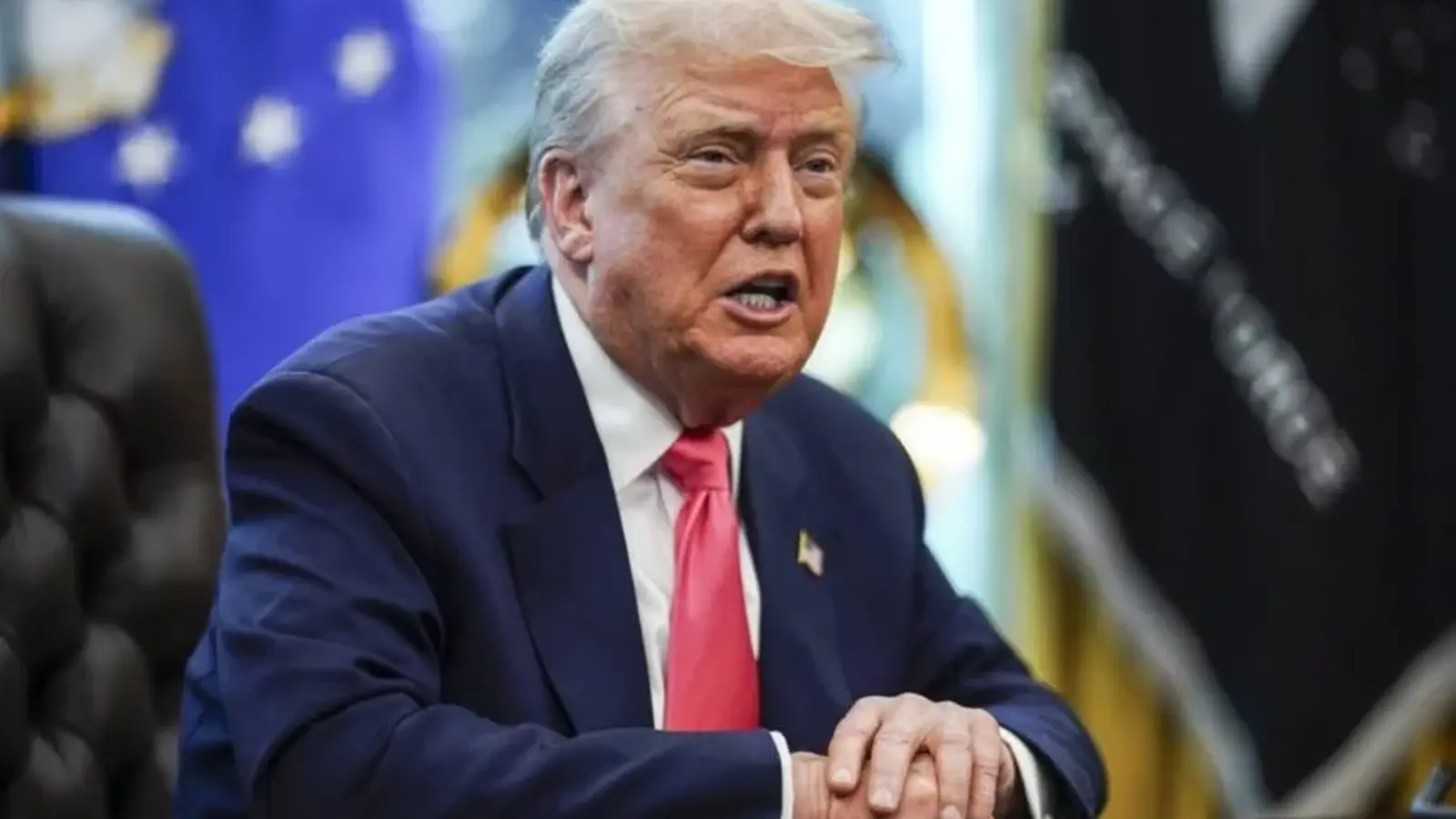
Donald Trump posted a blunt warning on Truth Social that read less like diplomacy and more like a deadline. Any country that moves forward with a digital services tax on American tech firms, he said, will face a 100 percent tariff. No exceptions. Trade deals signed, pending, or in force would be overturned in its place.
Where politics and trade collide
It is a simple message aimed at a complex problem: countries, especially several across Europe, are debating taxes aimed squarely at the biggest global platforms. The target list reads like a who’s who of Silicon Valley — Alphabet, Meta, Amazon. These levies, commonly called digital services taxes or DSTs, are designed so that only the largest, most established players pay. To date, more than a dozen countries have enacted such measures.
Why the fury? From Washington’s perspective, DSTs single out US companies. From European capitals, the argument is that the digital economy has outpaced traditional tax rules and something has to change. The clash sounds technical, but the stakes are geopolitical: market access, national revenue, and leverage in broader trade talks.

If implemented, the administration says, the tariffs would be immediate and sweeping.
Trump has made similar threats before. Last year he warned Canada over its plans and signaled he would halt trade negotiations. He also threatened a 100 percent tariff on French wine over Paris’s digital tax, though that action was never carried out. Part of the uncertainty now is procedural: it is not yet clear how quickly the White House could put such tariffs in place. A US court decision in February struck down tariffs that had been tied to an emergency law, adding another layer of legal ambiguity.
So what happens next? Capitals in Europe have choices. They can pause or retract DST plans to avoid confrontation. They can push ahead and force a test case, betting that the political cost of a trade war is manageable. Or they can seek faster multilateral rules through bodies like the OECD to avoid unilateral measures from either side.
For tech companies, this is agonizing. They already face public pressure over taxation and regulation across multiple markets. Now they must weigh the possibility that complying with one tax regime could trigger far costlier penalties at the border.
And for consumers and businesses that rely on transatlantic trade, the ripple effects could be immediate. Tariffs of this size are not a small irritant. They change prices, sourcing decisions, and even corporate strategies. Who ultimately absorbs those costs is a political question as much as an economic one.
Questions linger. Will European governments risk a showdown over what they see as fair taxation? Will Washington follow through, and if so, how quickly? The answers will shape the next chapter of digital regulation and US-Europe relations.


“I cover emerging technologies, digital innovation, and the intersection of tech and everyday life. My goal is to make complex trends accessible and inspiring.”

Discussion
Leave a Comment
Comments (2)
This is nuts!! Turning taxation into a trade war? Who ends up paying, consumers, small biz. Not the billionaires. Sigh.
Is he serious? 100% tariffs sounds like brinkmanship, but can the White House even do that legally, and who pays?