
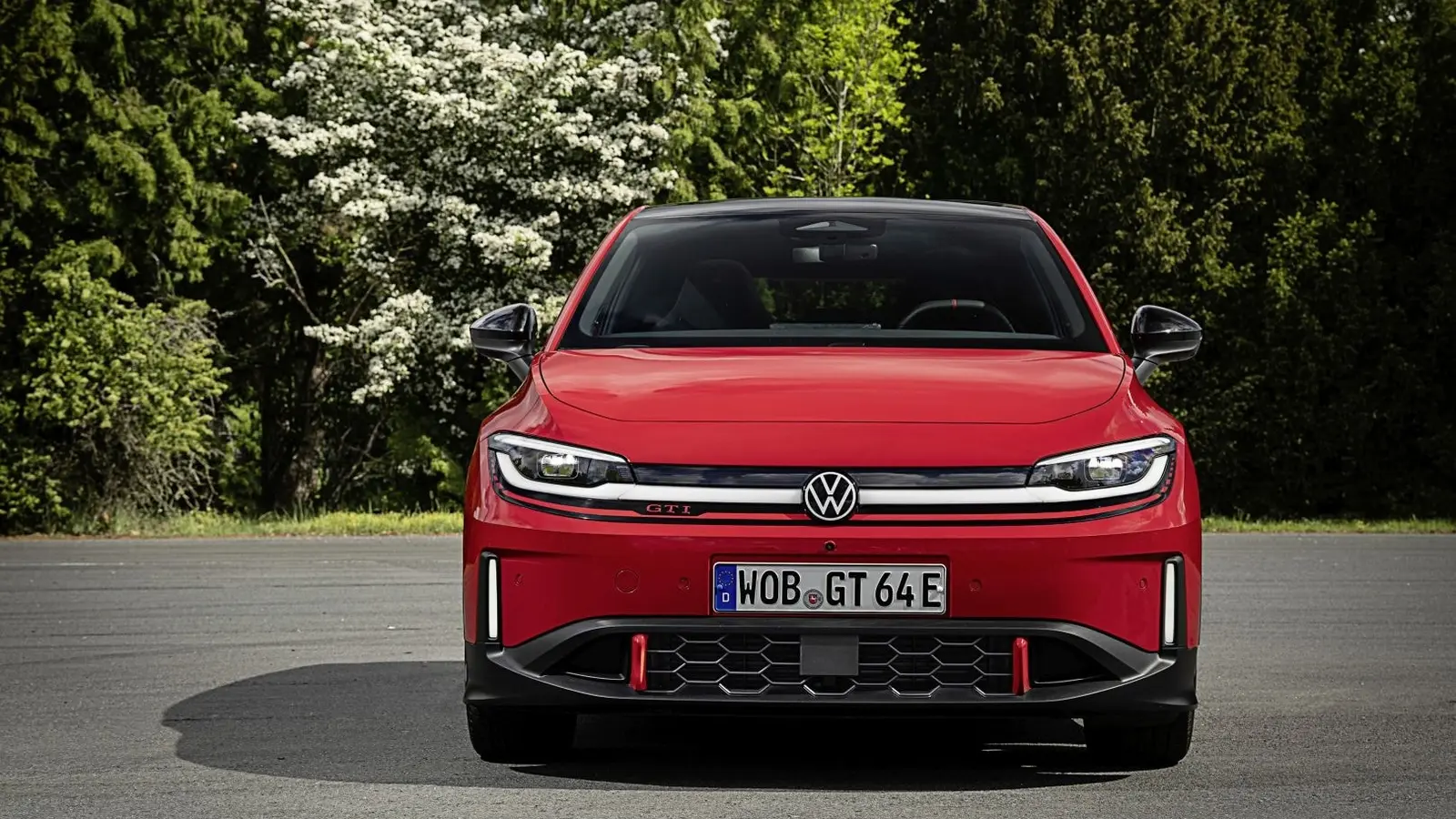
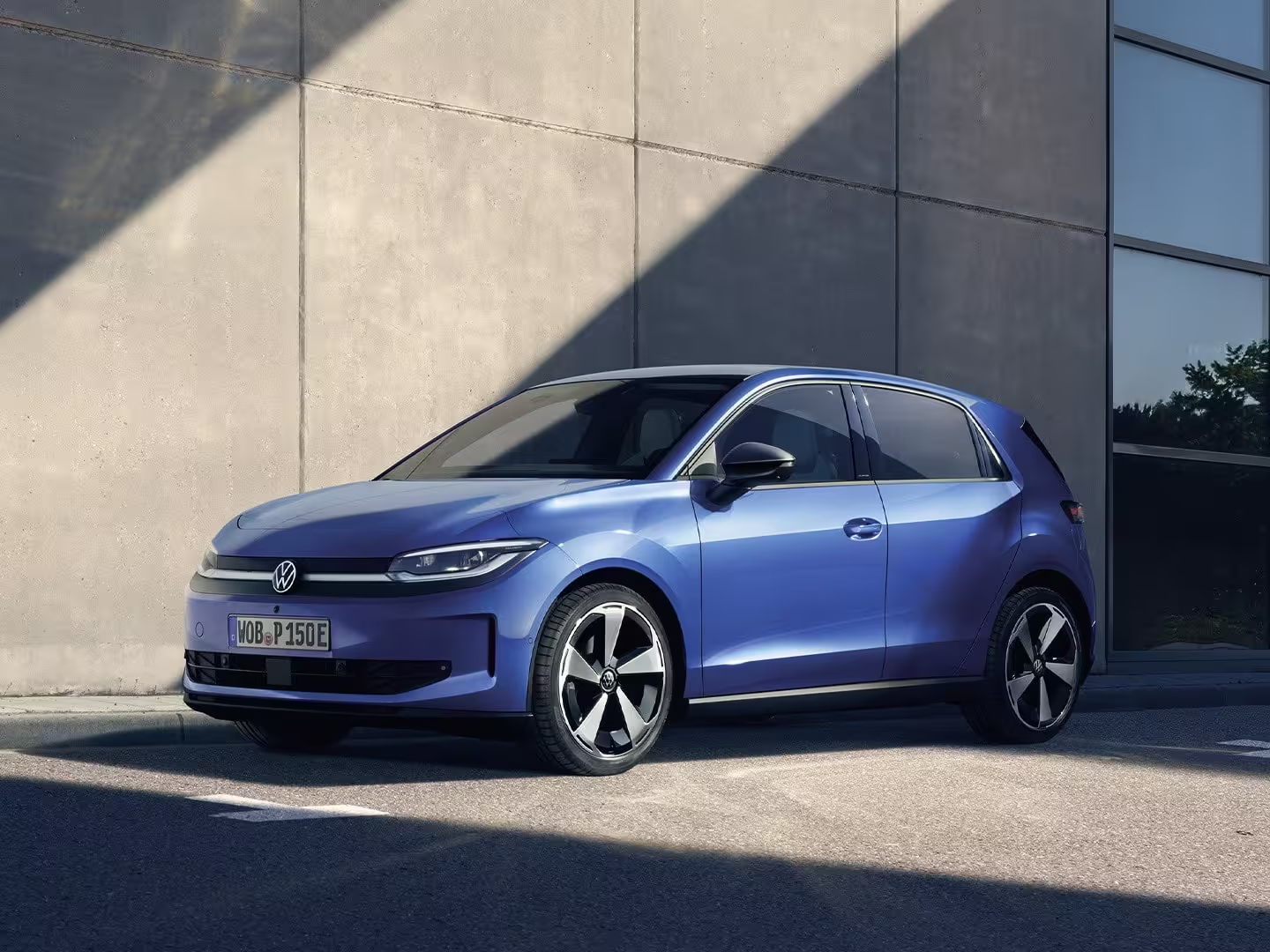
Volkswagen Group reported that its Electric Urban Car Family — the Volkswagen ID. Polo, ID. Cross, Cupra Raval and Skoda Epiq — has amassed nearly 150,000 orders, a milestone the company highlighted at the 2026 Paris Motor Show, nearly a year after the project was previewed at IAA Mobility in Munich.
The initiative began with a simple brief: build a front-biased electric platform that maximises interior space for the B segment, then offer four distinct, relatively affordable models across three brands. These entry-level BEVs are positioned below the compact models the group builds on the rear-biased MEB platform, including the ID. Tiguan that evolved from the ID.4.
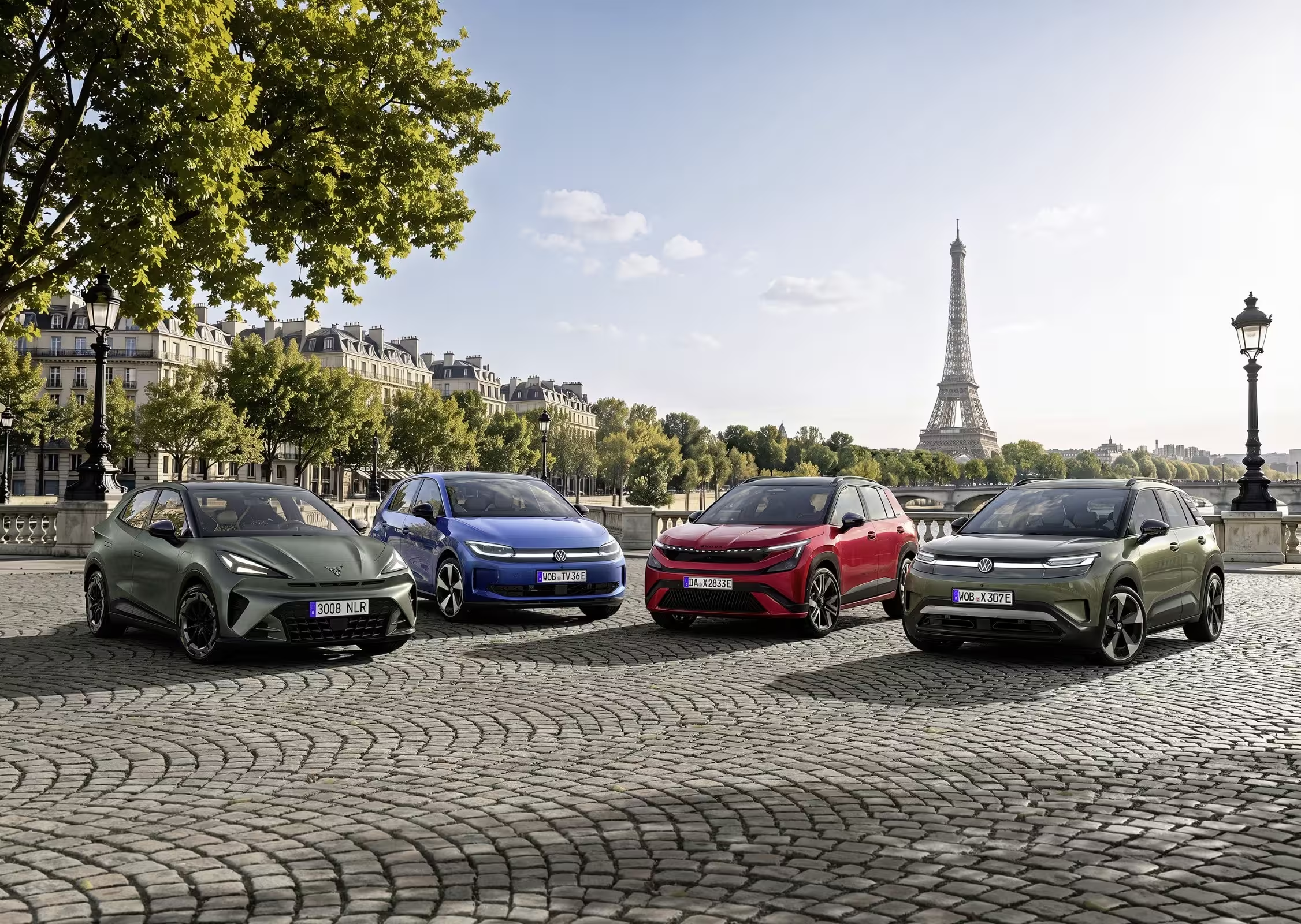
To cut development costs the four models share drivetrains and batteries, and Volkswagen Group says more than 80 percent of components are common between them. That commonality leaves styling and brand positioning as the main ways Volkswagen, Cupra and Skoda differentiate their versions.
Assembly is split by body style: the Martorell plant in Spain builds the hatchback superminis, the ID. Polo and Cupra Raval, while the Pamplona facility produces the crossover equivalents, the ID. Cross and Skoda Epiq. Volkswagen Group invested heavily in SEAT and the SEAT-born Cupra division to enable this Spanish production footprint.
At the Paris show Skoda introduced a Sportline trim for the Epiq, adding matrix LED headlights and 19-inch wheels. The Epiq Sportline will be offered in 40 and 55 variants and, in the UK, will sit above the Edition 55.
The quartet has accumulated nearly 150,000 pre-orders ahead of deliveries, driven by accessible pricing, shared components and established brand trust.
Early recalls affect small batches
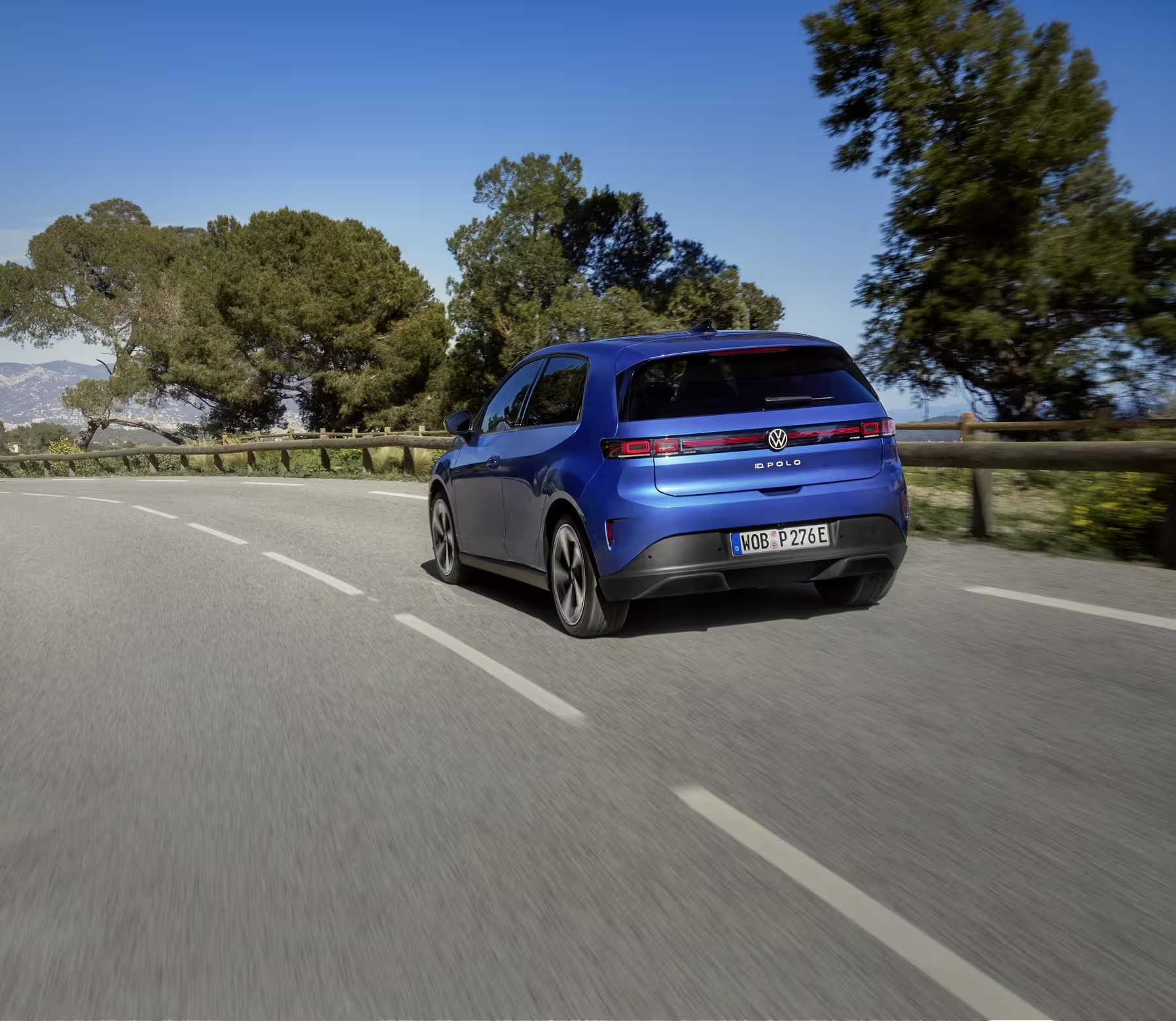
The rollout has not been flawless. Germany's Federal Motor Transport Authority, the KBA, says 1,109 units of the ID. Polo may be affected by a B-pillar seatbelt anchorage defect. Separately, Cupra is recalling a total of 10,151 Terramar and Raval vehicles produced through 3 September 2026; the suspect ID. Polo hatchbacks were produced through 2 September 2026.
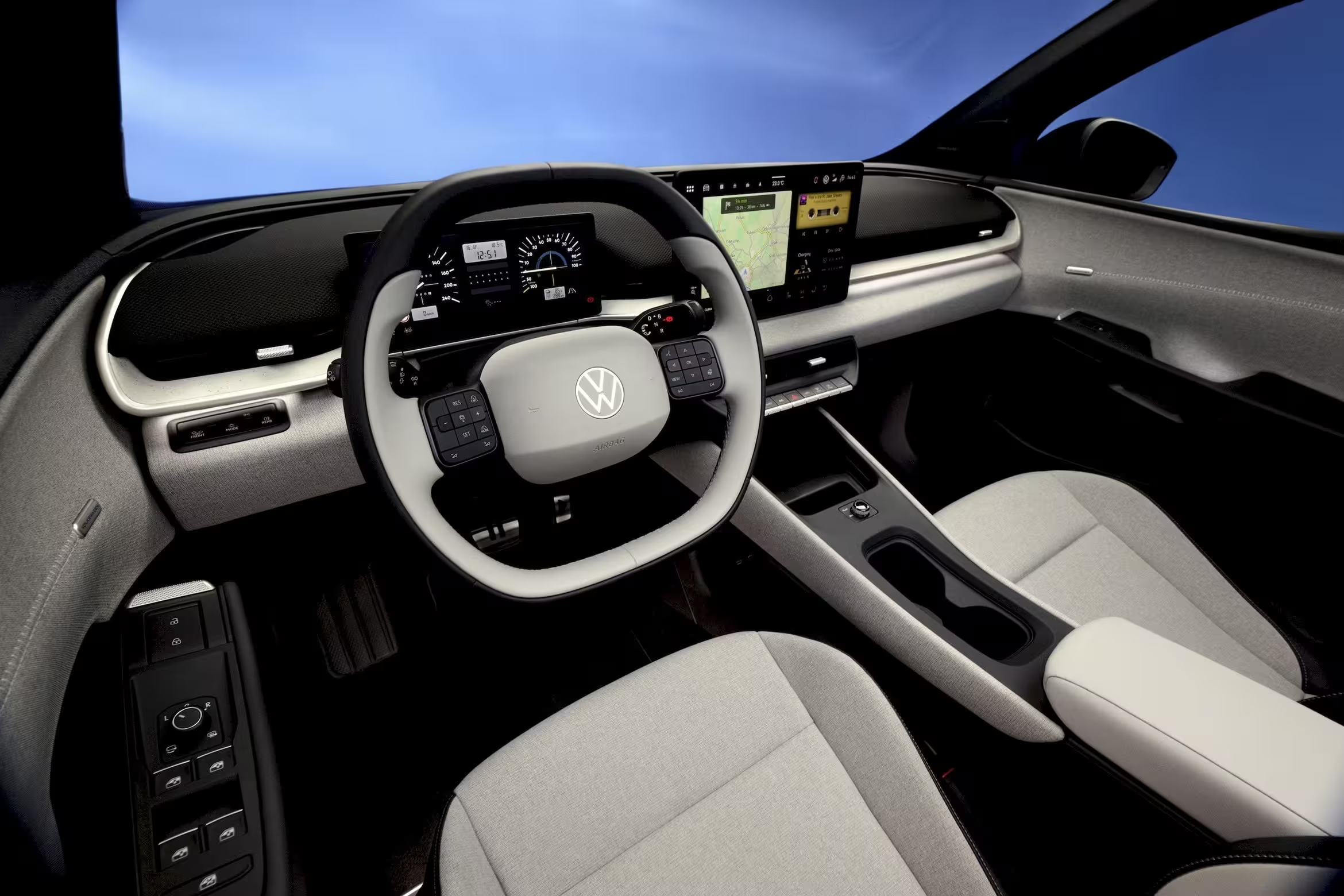
The recalled vehicles are suspected of having insufficiently fastened lower seatbelt anchors. Volkswagen Group and Cupra describe the required repairs as straightforward, and the relatively small affected populations underline the types of assembly challenges that can arise with new products.

“I cover automotive innovation, electric vehicles, and the future of mobility — where technology meets sustainability.”

Discussion
Leave a Comment
Comments
No comments yet. Be the first.