
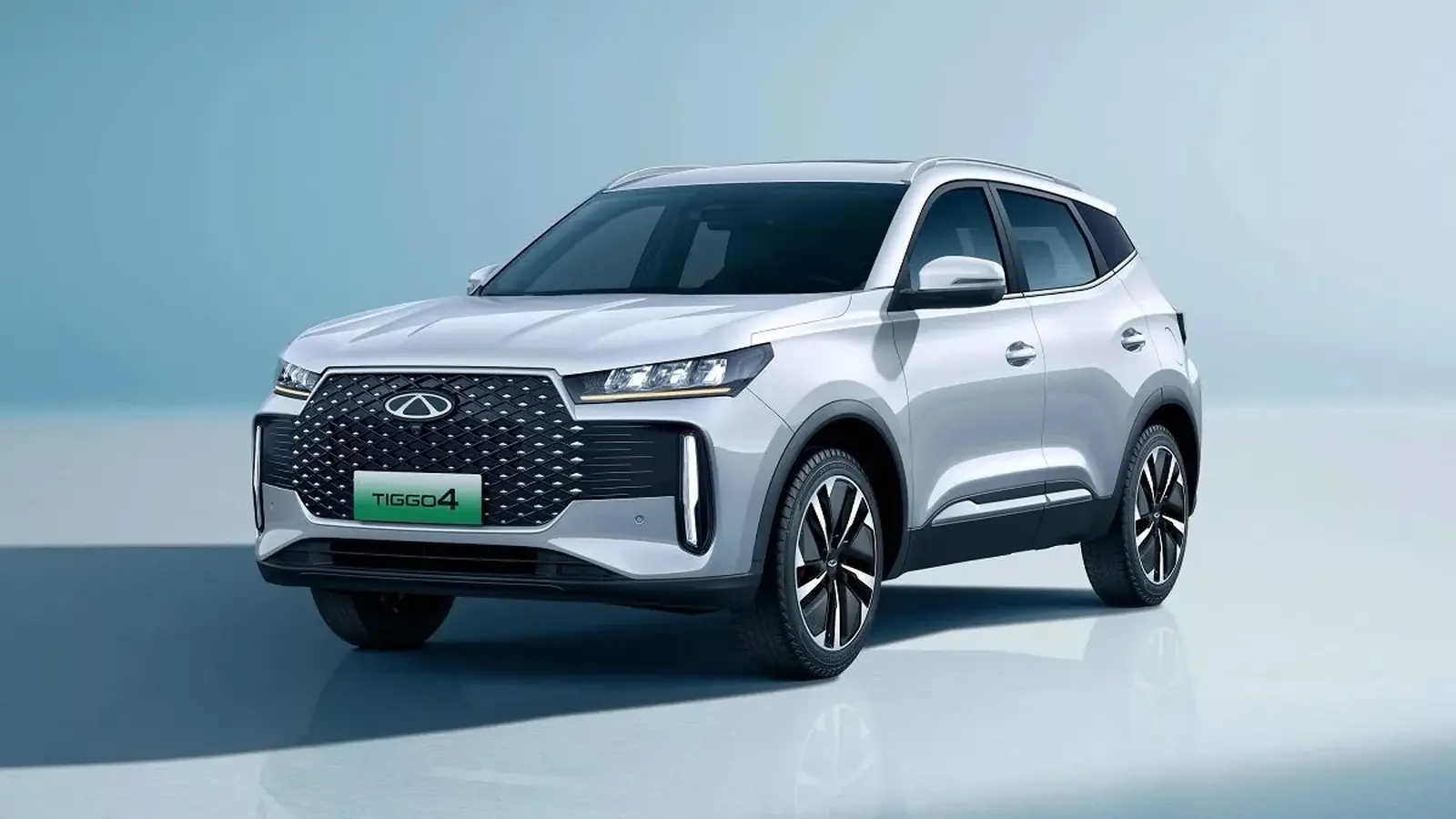
The European Union and China have reached a historic agreement that could reduce Chinese exports of hybrid and plug-in hybrid cars to the EU by more than half, EU trade commissioner Maroš Šefčovič said after talks in Beijing.
Scope of the agreement and projected reduction
Following intensive negotiations, Šefčovič described the outcome as "the first of its kind" and said the pact "opens the prospect of reducing Chinese hybrid car exports by more than half." He said the reduction is expected to unfold over four years and would result in several million fewer plug-in hybrid and hybrid vehicles reaching the EU market. Šefčovič also stated that "this is the first time China has accepted to adjust its exports without going through prior trade tension," referring to the usual investigatory steps before protective measures under WTO rules.
Part of a broader 16-point understanding
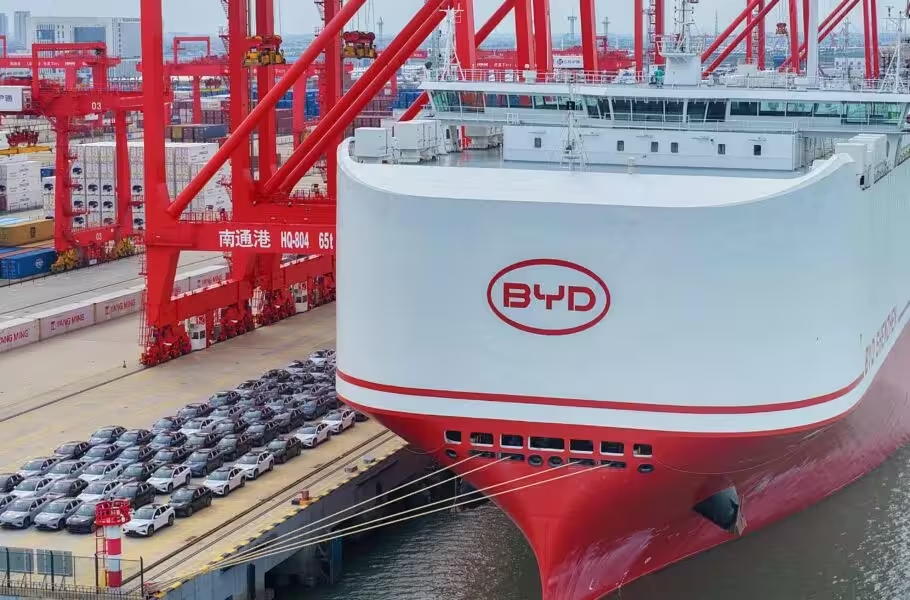
The export measures sit within a wider 16-point understanding under which both sides will continue talks on multiple trade issues. The Chinese Ministry of Commerce said China is willing to facilitate export licensing procedures for rare earth elements and permanent magnets destined for the EU. The ministry added that both sides reaffirmed their commitment to resolving disputes within WTO rules and to stabilizing and balancing bilateral trade and economic relations.
- Automobiles, including hybrids and plug-in hybrids
- Export licensing and potential restrictions for rare earths and permanent magnets
- Market access for European food and beverage products in China
Why Europe pushed for action and next steps
European concern has risen as imports of plug-in hybrids into the EU jumped 86 percent in the year to September 2026, while prices for those models fell by about 20 percent. More than half of imported plug-in hybrids now come from China. That combination of rapid volume growth and lower prices has increased competitive pressure on European automakers and contributed to political pressure over job losses in several industries.
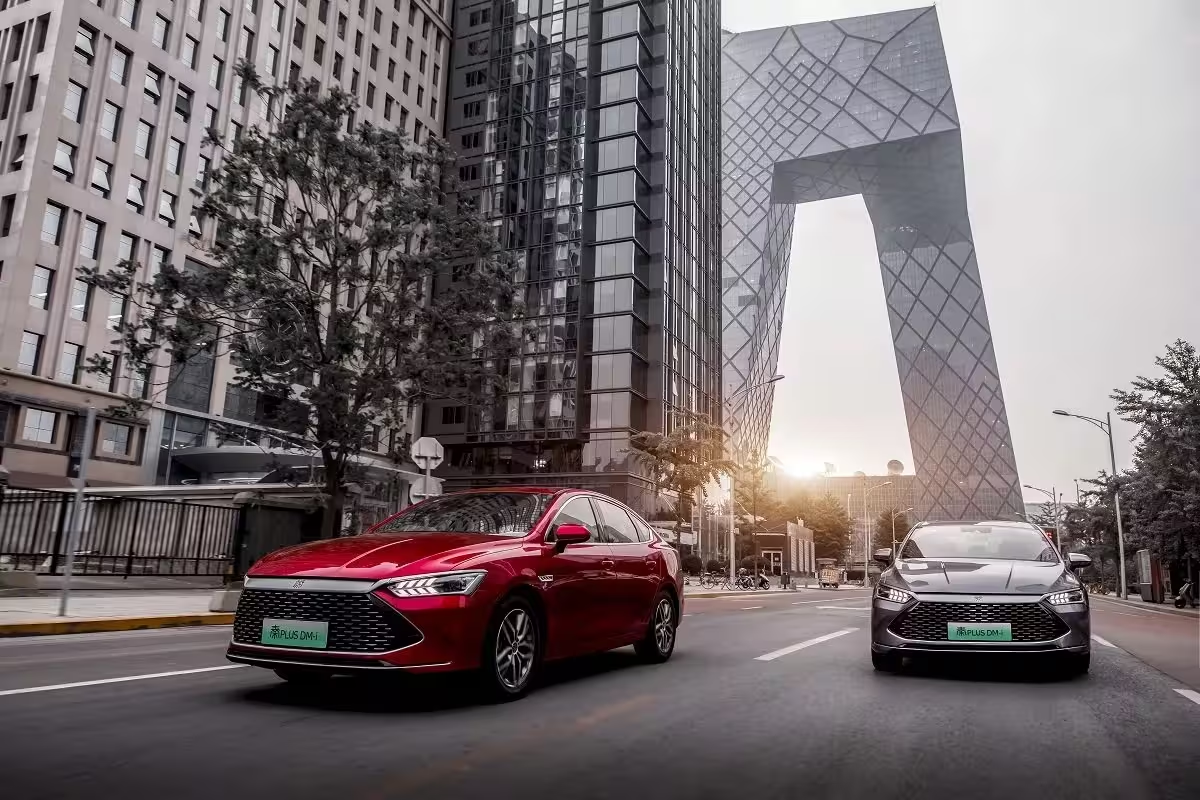
Šefčovič said Beijing recognized the political pressure across EU member states, driven by thousands of job losses linked to cheap Chinese imports in sectors such as chemicals and textiles, and acknowledged that EU leaders expect fast action. The two sides agreed to "company price commitment procedures" for hybrid vehicles, indicating that higher minimum prices for Chinese models sold in the EU are one possible tool to limit sales.
The agreement explicitly covers both conventional hybrids and plug-in hybrids. Conventional hybrids recharge their batteries through driving and regenerative braking, while plug-in hybrids can also be charged from an external electrical source.
The pact does not amount to a full export ban. Officials said the aim is to adjust and manage export flows rather than to halt them. Šefčovič called the deal "a vital first step" and warned that "this is not the end; it is the first step," adding that "stopping a trade war after it has been declared is very difficult." He is due to brief European diplomats in Brussels on Sunday ahead of an EU leaders summit on Thursday. The final outcome will depend on implementation and subsequent decisions by both sides.

“I cover automotive innovation, electric vehicles, and the future of mobility — where technology meets sustainability.”

Discussion
Leave a Comment
Comments (2)
Makes sense tbh. EU needed to act, cheap imports were wrecking jobs here better to manage flows than trigger a full blown trade fight.
Is China really gonna cut hybrid exports by half, voluntarily? Feels like PR spin, or some backdoor quotas… if that's real then who enforces it, hm?