
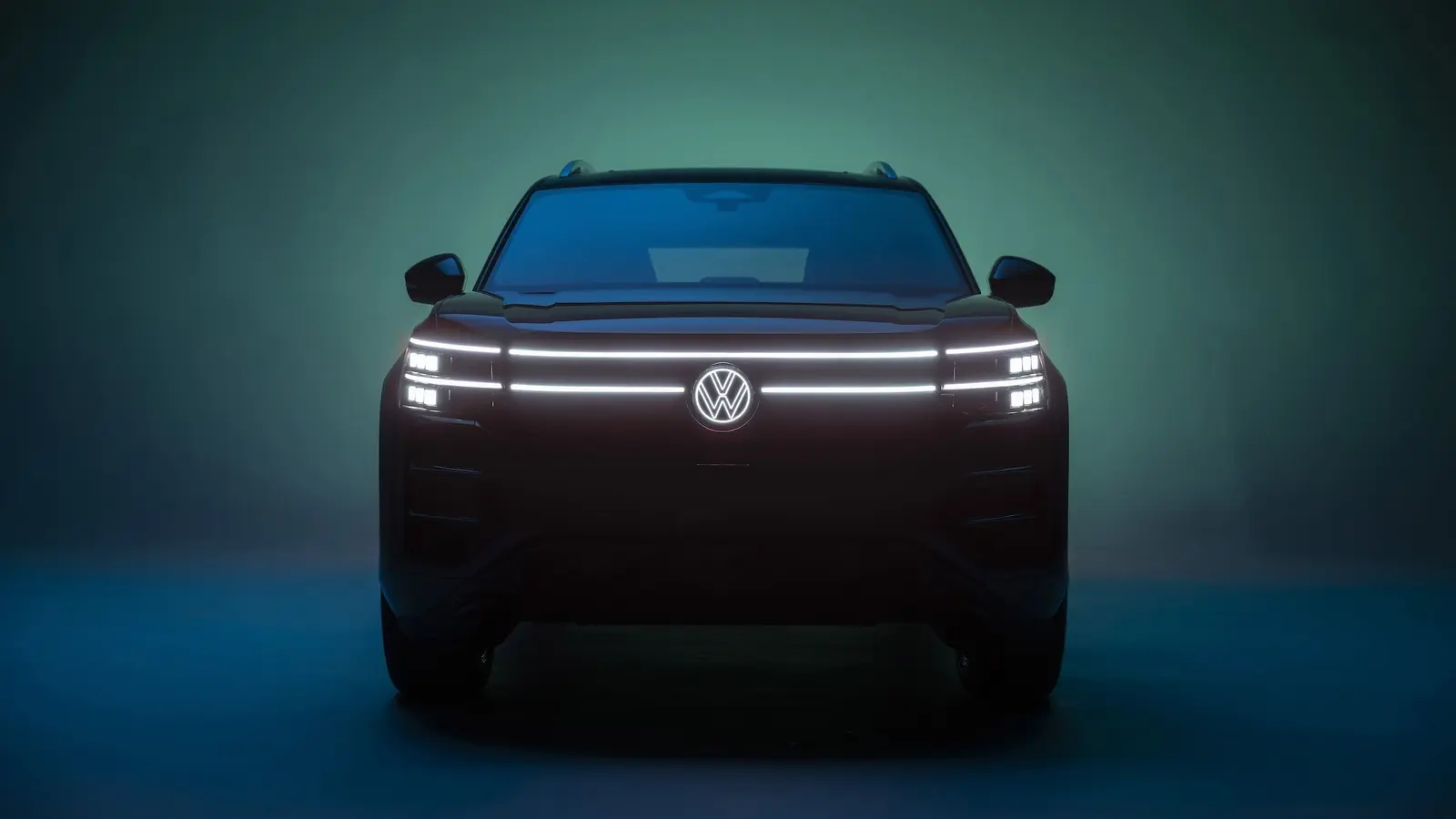
Park a fresh-off-the-line Volkswagen Atlas next to its Chinese cousin and your eye will do a double take. At first glance they are siblings. Look closer and they begin to argue. Small choices add up: a higher hood, a sleeker nose, a grille that breathes differently. Those differences tell a story about two markets that want similar cars for very different reasons.

Two markets, two personalities
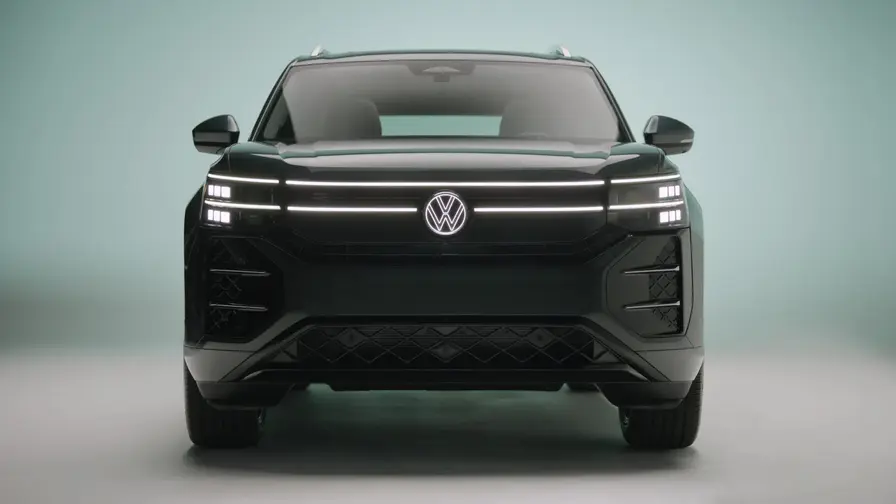
Volkswagen’s design team treated the Atlas and the Teramont Pro like cousins rather than clones. William Lee and Dmitry Panov describe a collaborative process that didn’t simply copy one sheet over to the other. Instead, each model was tailored to satisfy regional tastes and regulations. American buyers gravitate toward a more commanding road presence, so the Atlas wears a higher hood line and an open grille tuned for maximum cooling. Chinese customers prize visibility and a hi-tech look, so the Teramont Pro shows a sleeker front end and a closed upper mask with more refined detailing.

It is a lesson in subtlety. Door handles are a small thing until you notice how they change the car’s handshake with its driver. The Teramont Pro uses flush handles. The Atlas keeps conventional pull-type handles. Little cues, but big impressions.
Under the skin, regulations and customer expectations nudge engineers in different directions. The Atlas produces 282 horsepower and about 350 newton-meters of torque, while the Teramont Pro’s DSG-only setup offers up to 400 newton-meters. That wet-clutch DSG delivers quicker shifts and higher drivetrain efficiency, which is great for fuel economy in China but less suitable for heavy towing. The North American Atlas pairs a torque-converter eight-speed automatic with a 2,268 kilogram maximum towing capacity, because many buyers there still want to haul trailers and gear.

Both SUVs moved the electronic gear selector to the right side of the steering column, freeing the center tunnel and opening up the cabin. It is a practical change that feels modern without shouting it. Safety and driver assistance received attention too. The next-generation Atlas arrives with a standard front center airbag and expanded IQ.DRIVE features, including semi-automated driving aids and a Park Assist system that can steer the vehicle into parallel or perpendicular spaces on its own.

Expect the US-built Atlas to land in showrooms at roughly €36,800. With front-wheel drive, Volkswagen expects up to 25 miles per gallon, or about 9.4 liters per 100 kilometers. Opting for 4MOTION all-wheel drive lowers the combined EPA estimate to about 23 miles per gallon, roughly 10.2 liters per 100 kilometers. Later this lifecycle a hybrid powertrain will join the 2.0-liter TSI four-cylinder to broaden buyer choices.

So why does it matter? Because global cars are no longer one-size-fits-all. They are exercises in compromise, negotiation, and cultural listening. Volkswagen didn’t simply aim for visual likeness. It tuned each vehicle’s personality to match the road, the buyer, and the regulations where it will live. The result is a pair of SUVs that can sit side-by-side and reveal, in their differences, what each market values most.

“Cars are evolving faster than ever. I cover electric vehicles, smart mobility, and the future of transportation worldwide.”

Discussion
Leave a Comment
Comments (2)
Interesting, but is the DSG really 400Nm in China only? Seems like regs, or market taste. If that's true tho, the towing tradeoff makes sense... right?
Whoa didnt expect VW to split personalities like that! Atlas is bulky, Teramont feels sleek... clever, kinda sly moves.