
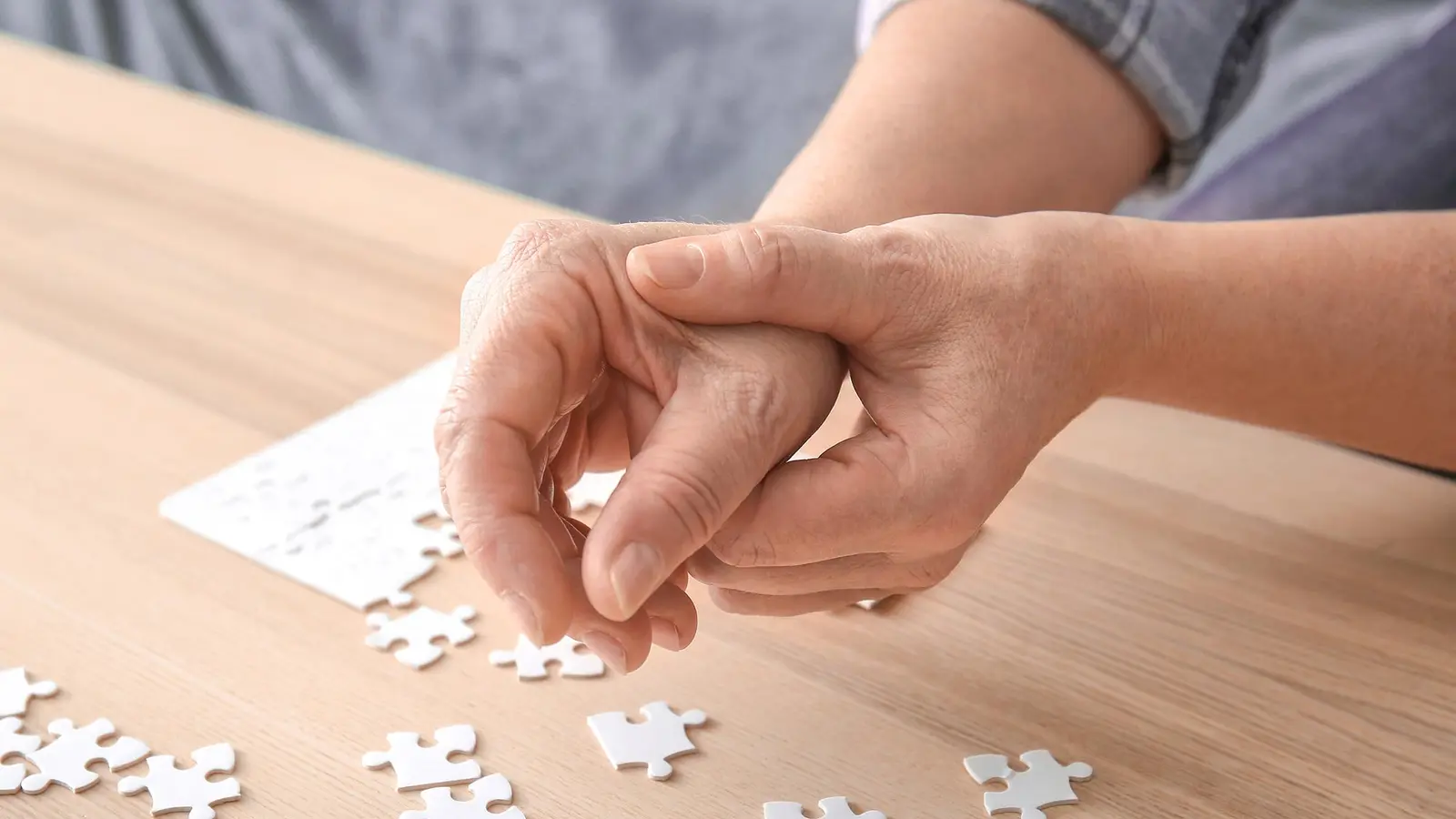
On a bright morning a retired teacher laces up her shoes, steps outside, and chooses a brisk walk over the sofa. It is a small decision. Yet, to people living with Parkinson’s disease, those minutes can add up into measurable differences years down the line.
Parkinson’s disease is a progressive neurological disorder that affects movement, balance, and coordination. It develops as dopamine-producing nerve cells in the brain become damaged or die, leading to symptoms such as tremors, muscle stiffness, and slowed movement.
How activity and Parkinson’s were tracked
Researchers followed 294 adults diagnosed with mild to moderate Parkinson’s for as long as seven years. The team wanted to know whether ordinary, everyday physical activity — not just gym sessions or formal exercise classes — related to changes in thinking, memory, and mobility over time. Participants logged time spent walking, doing housework, gardening, and higher-intensity pursuits such as jogging or competitive sports.
Measuring movement and mind
The investigators analyzed activity in three ways: total weekly minutes of moderate to vigorous activity, an overall activity volume that adjusted for intensity, and the time spent in vigorous exercise. For simplicity, participants were grouped by weekly activity: up to four hours, four to eight hours, and more than eight hours. Annual checkups recorded cognitive performance with a 30-point mental test and motor symptoms on a 132-point clinical scale.

Results showed a clear pattern. People who reported the least activity tended to lose small amounts of cognitive function each year. By contrast, those who spent the most time active showed almost no average decline on the short cognitive test during follow-up. Motor symptom scores echoed that pattern: higher activity levels were linked with less worsening — and in some cases slight improvements — in movement measures.
What the numbers suggest
Put into concrete terms: the lowest-activity group showed a modest yearly drop on the 30-point cognitive measure. The middle group lost only a fraction of that amount annually. The most active group’s score stayed essentially flat. On the motor scale, the least active participants saw a small rise in symptom severity every year, while more active people experienced stability or slight reductions.

These associations held even after adjusting for age, sex, and how long someone had lived with Parkinson’s. That strengthens the argument that both how long people stay active and how intensely they move may matter for preservation of memory, thinking, and mobility.
Still, numbers are not destiny. The study cannot prove cause and effect. Activity was self-reported, which can introduce errors. And people who feel better to begin with are naturally more likely to stay active, so reverse causation is a real possibility: are they healthier because they move, or do they move because they are healthier?
Why scientists are cautious
“Parkinson’s disease is a brain disorder that causes movement and cognitive problems that gradually worsen, leading to disability and a loss of independence,” said Dong-Woo Ryu, MD, PhD, of the University of Cincinnati, one of the study’s authors. He notes that while differences between activity groups were small on an annual basis, those gaps could widen over many years.
When interpreting these findings, clinicians and patients should weigh two realities. First, observational studies can point to promising strategies but cannot confirm that increasing activity will slow disease processes. Second, the practical value is still real: activity is low-cost, widely available, and carries other health benefits — from cardiovascular fitness to mood improvement.
Expert Insight
Dr. Amina Patel, a neurologist and movement-disorders specialist who was not involved in the study, commented: “The study adds important longitudinal data. It reinforces a clinical intuition we’ve had for years — that sustained, varied movement supports brain health. What we need next are randomized trials that test specific activity programs, track biological markers like dopamine function, and measure long-term outcomes.”
The path forward includes better measurement too. Wearable sensors can reduce reliance on self-reporting and provide richer data on intensity and patterns of movement. Biomarkers and imaging could help determine whether activity exerts a protective biological effect or primarily reflects underlying disease severity.
Conclusion
This study does not prove that exercise halts Parkinson’s progression. Yet it does add weight to a simple, practical message: staying active appears linked to smaller declines in thinking and mobility over time. For clinicians advising patients, and for people living with Parkinson’s weighing daily choices, the take-away is both hopeful and actionable. Move when you can. Even modest, regular activity may matter.


“My work centers on sustainability, energy, and environmental science — examining how innovation can lead to a greener future.”

Discussion
Leave a Comment
Comments (1)
Wow, didn't expect that. My aunt walks every day, stays surprisingly sharp, small choices really add up! Makes me wanna move more, honestly. But curious if it's cause or just who feels good keeps moving...