
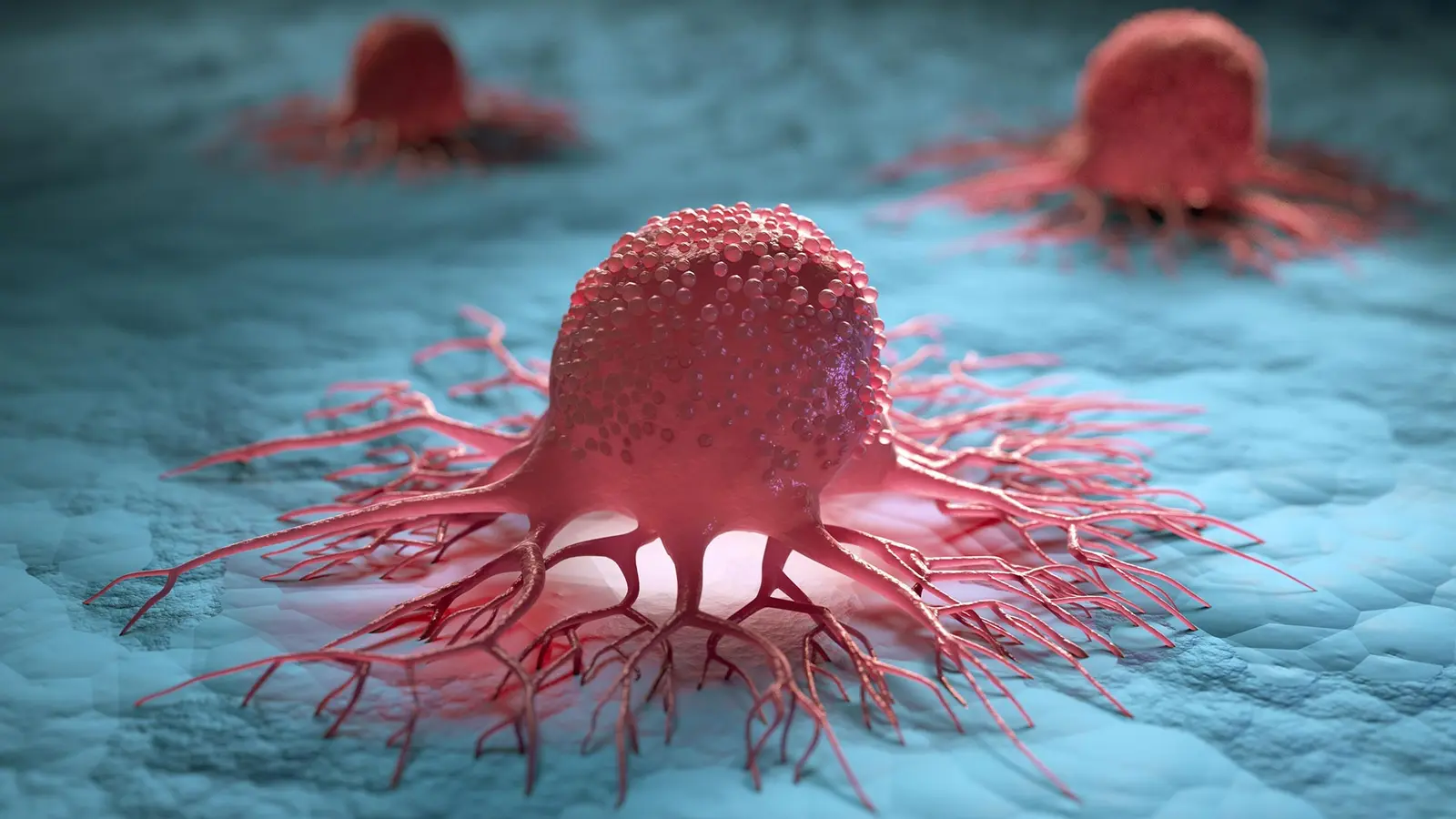
Imagine cancer cells tucked away in bone marrow, invisible and motionless for years, until something distant stirs the body and suddenly they begin to move. That is the unnerving possibility emerging from new work at the Francis Crick Institute: inflammation in one organ can reshape the environment elsewhere and coax dormant metastatic cancer cells back into life.
Dormant cancer cells may be sensitive to immune-driven changes in their surroundings. New findings reveal one molecular clue connecting inflammation with metastatic reactivation.
How researchers recreated a sleeping niche
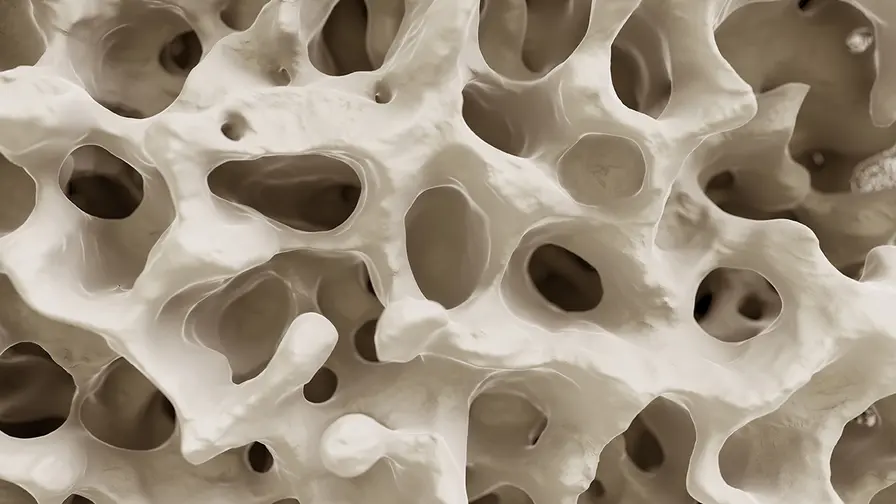
Studying dormancy directly is difficult. Mice do not live long enough for researchers to wait years as human cancer cells might remain silent. So the Crick team built a clever shortcut. They used skeletal stem cells to grow a patch of bone under the skin that behaves like real bone marrow. The lab calls it an extramedullary bone model. It contains the cellular architecture needed to make blood and to respond to inflammatory signals.
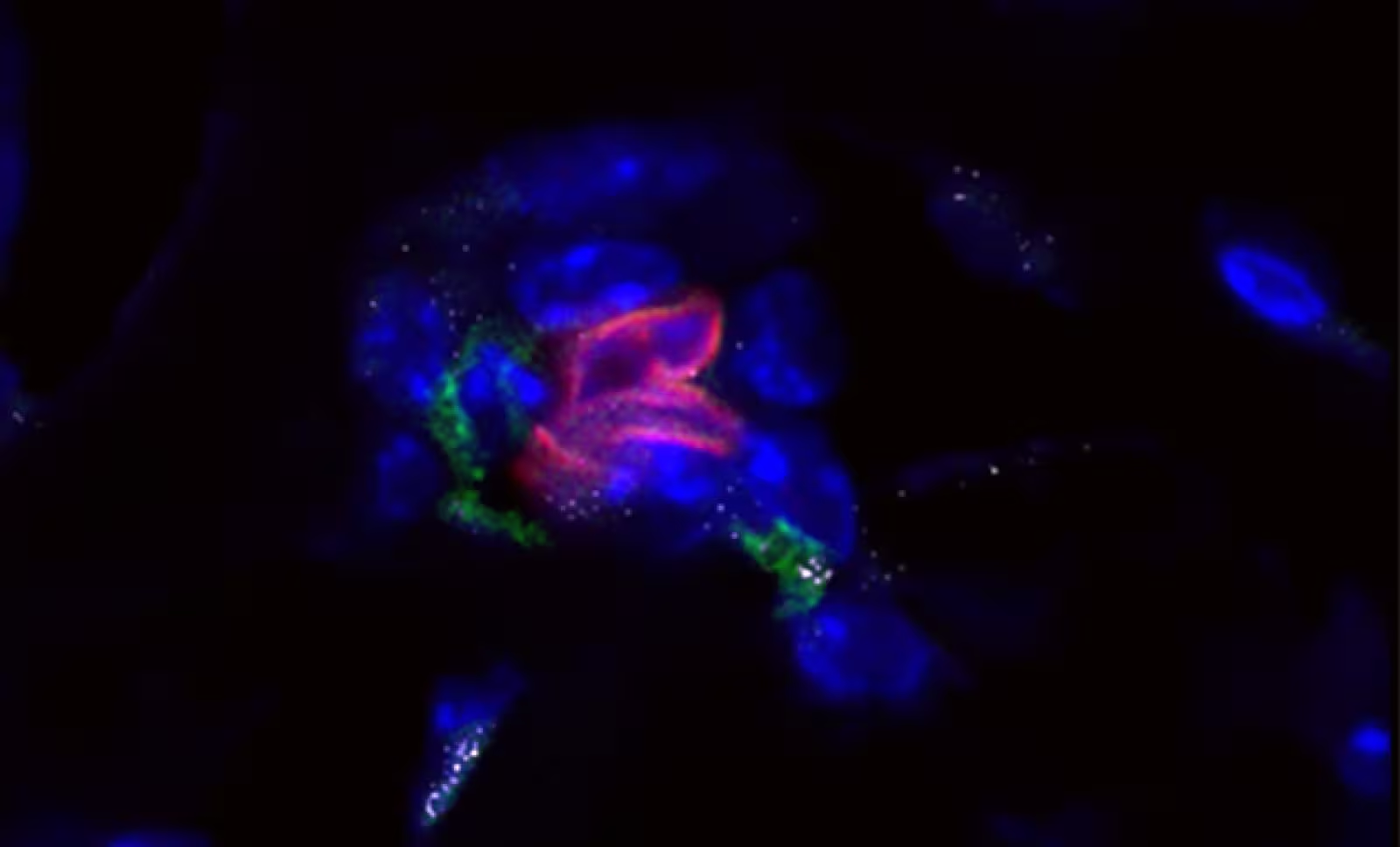
A nest of dormant cancer cells in the bone, in magenta. Bone marrow cells are in blue and blood vessels in green.
Into this mini marrow the researchers placed cells from a mouse mammary tumor. Most of those cells entered a quiescent state. They sat quiet. A few divided now and then. That pattern allowed the team to ask a crucial question: can an inflammatory event far from the bone nudge these sleeping cells awake?
Gut inflammation and the ripple effect in bone marrow
They provoked colitis in the mice, an inflammatory reaction in the intestine. The skin-grown bone did exactly what real marrow would do. It ramped up immune cell production to meet systemic demand. That change required the marrow niche to reorganize its cells and signals. As the environment shifted, a surprising consequence followed: a larger fraction of the dormant cancer cells began to replicate.
Why would the bone help cancer as it helps the immune system? The study points to a molecular actor called HMGB2. This protein is associated with cell growth. When inflammatory demand pushed marrow to make more immune cells, HMGB2 levels rose locally. Higher HMGB2 correlated with the reawakening of metastatic cells. In lab tests, raising HMGB2 alone in the artificial bone was enough to increase cancer cell activation.
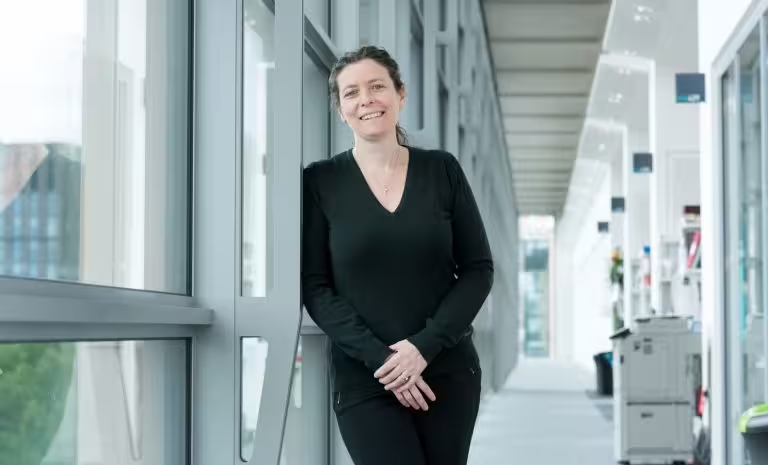
Ilaria Malanchi runs the Tumour-Host Interaction Laboratory at the Crick.
The team also examined human bone samples from patients with breast or prostate cancer. Sites where cancer cells were actively dividing showed HMGB2. That does not prove cause and effect in people, but it strengthens the idea that normal inflammatory responses can carry unintended risk for dormant tumor cells.
What this means for patients and clinicians
This work explains one way that a distant infection or injury might raise the odds that dormant metastatic cells begin to grow. It does not say inflammation always causes relapse. Think of each inflammatory episode as a roll of the dice. Each roll slightly increases the odds that some dormant cells will wake. Over years, repeated rolls could accumulate into meaningful risk.
There are practical takeaways. Tracking infections, severe inflammation, or significant injuries in people in remission may help clinicians identify windows of higher risk. When dormant cells reactivate, they become susceptible to conventional chemotherapy because they are dividing again. That suggests a possible opportunity for targeted, time-limited interventions.
At the same time, the findings raise caution. Treatments that broadly stimulate immune production in bone marrow might have complex effects. Therapies and vaccines that influence systemic immunity must be evaluated with an eye to how the bone marrow niche responds.
Expert Insight
Dr. Elena Ruiz, an oncologist and translational researcher not involved in the study, says this research reframes a clinical question into something actionable. She notes, "We have long known that metastasis is not just about cancer cells but also about the soil they sit in. This work shows the soil can be altered by events far away. Monitoring inflammatory events after remission could become part of survivorship care. It also points to HMGB2 and niche remodeling as potential targets for therapies that aim to keep metastatic seeds asleep."
Conclusion
The Crick study links the body's normal defense mechanisms to an unintended side effect: creating conditions that favor metastatic reawakening. By using an innovative artificial bone model and tracing molecular signals such as HMGB2, the researchers provide a plausible mechanism explaining how gut inflammation can ripple into bone marrow and disturb dormancy. More research is needed to translate these findings into clinical practice, but the path is clear: better monitoring of inflammatory events and focused studies on marrow niche signals may reduce relapse risk and open new windows for intervention.

“The cosmos has always fascinated me. I write about space missions, astronomy, and the technologies pushing humanity beyond Earth.”

Discussion
Leave a Comment
Comments
No comments yet. Be the first.