
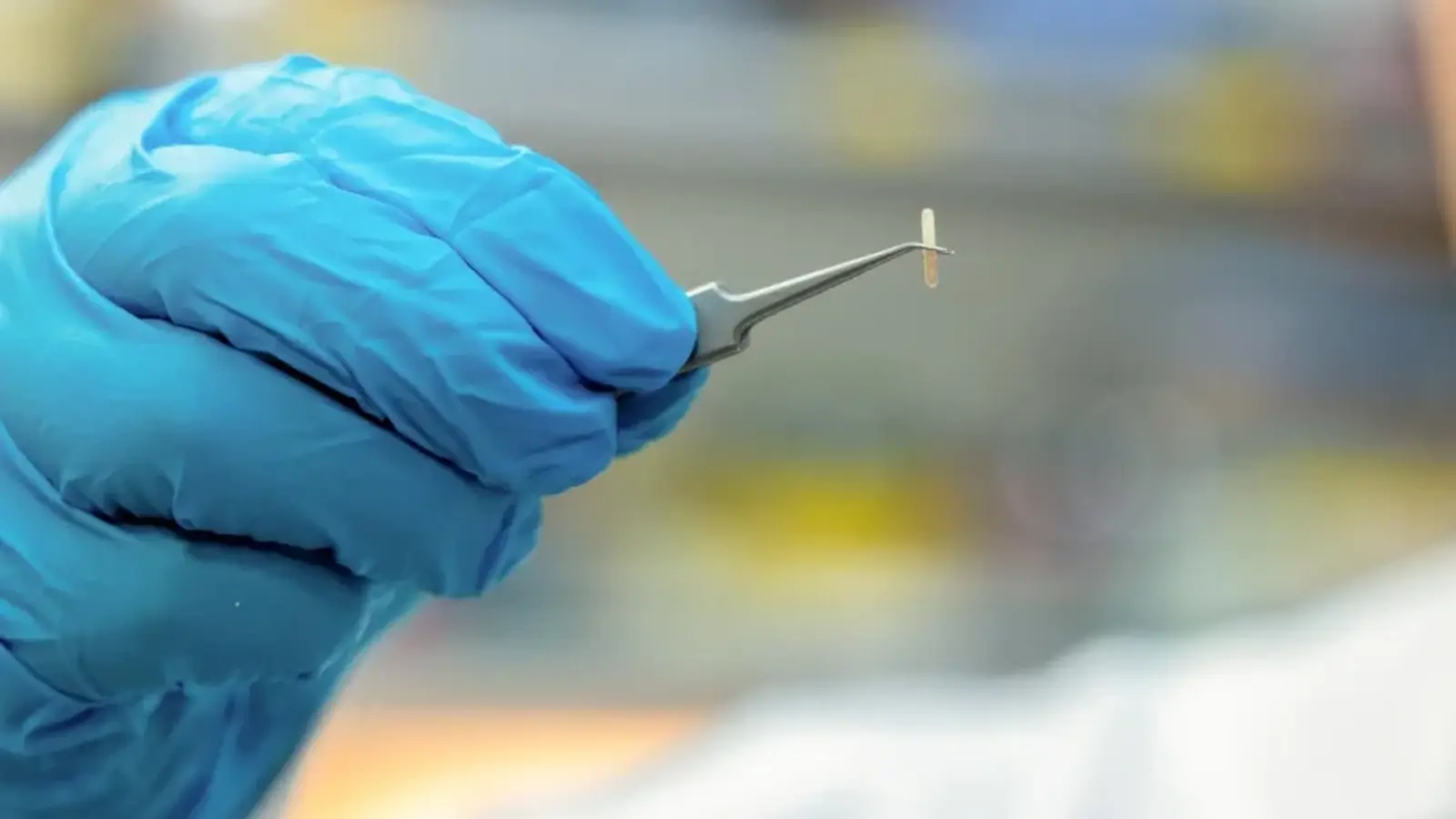
Imagine a device no larger than a grain of rice, slipped into the body with a needle, then quietly nudging a wayward nerve back into line. No scalpels. No battery packs under the skin. Just focused electrical pulses delivered where they are needed most.
How the implant works and what makes it different
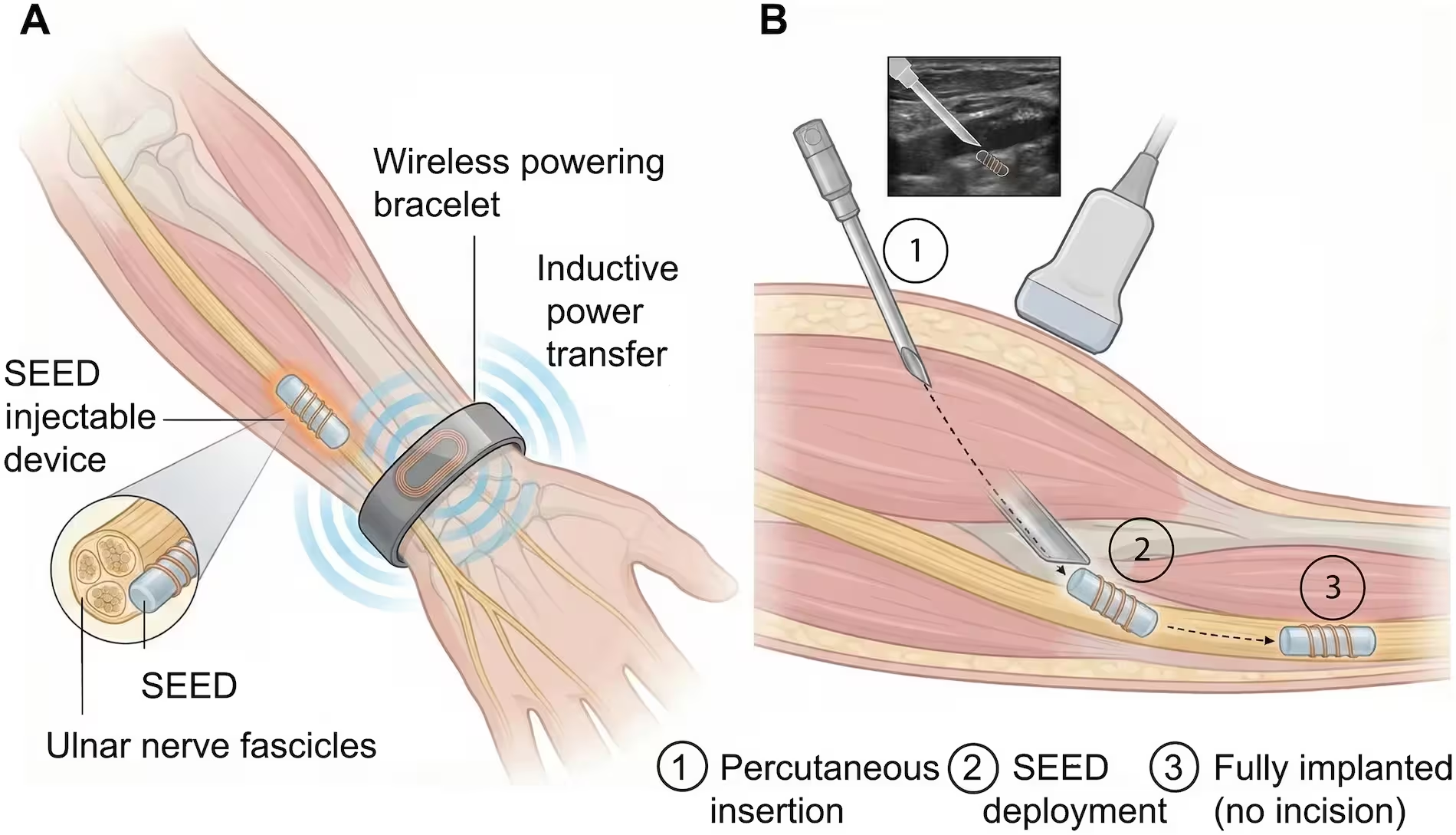
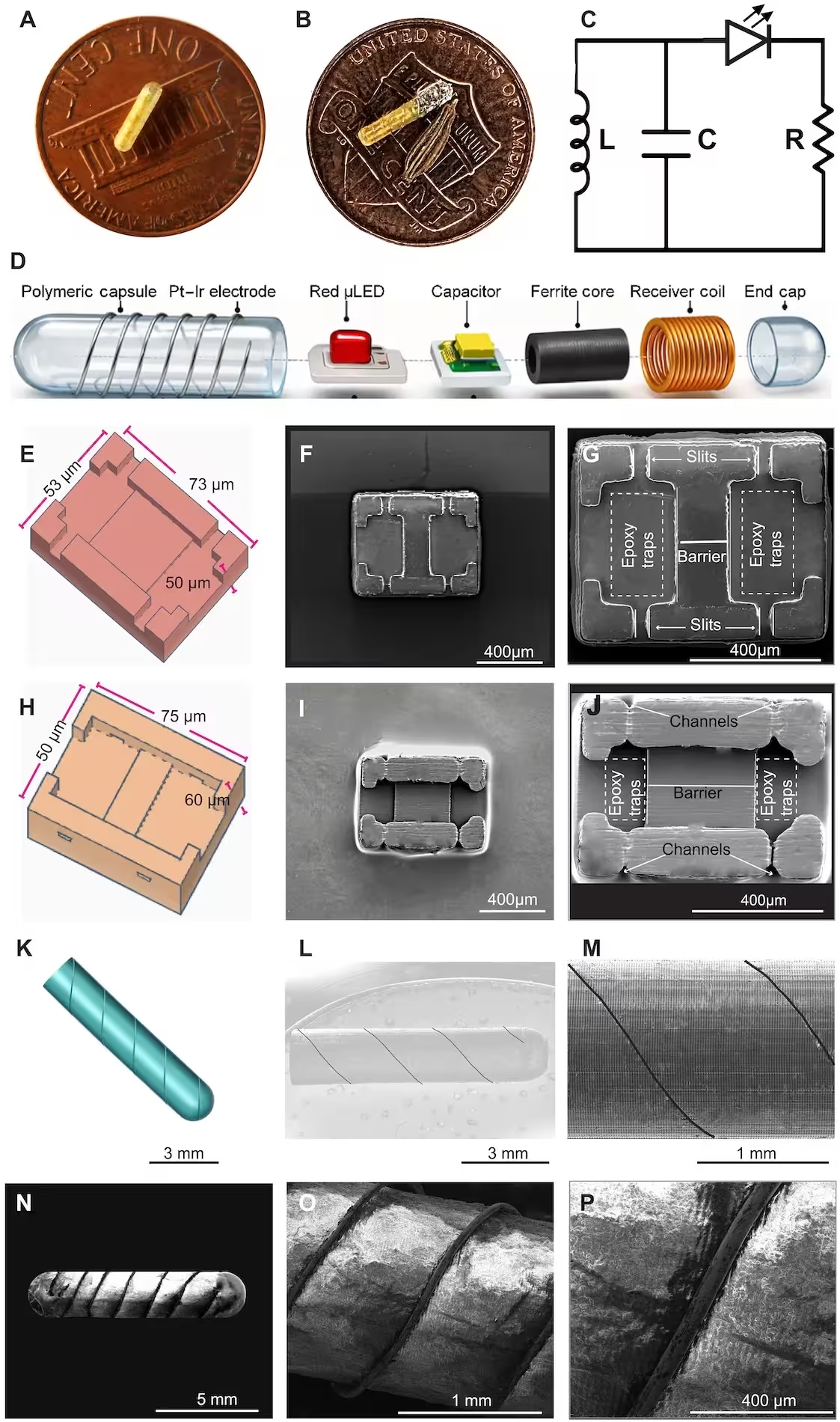
Researchers in Abu Dhabi have developed a wireless, injectable neural implant designed to stimulate specific peripheral nerves. The unit itself contains no battery or bulky leads. Instead, it harvests power wirelessly from an external source and converts that energy into programmable electrical pulses. Clinicians or patients can adjust stimulation intensity in real time, tailoring therapy to pain levels or motor symptoms.
Two practical advantages stand out. First, the device can be placed using routine image guidance such as ultrasound or CT, so doctors can position it close to a target nerve and confirm placement afterward. Second, because it is delivered by injection, it avoids many risks associated with open surgery and permanent implanted hardware.
Key technical features
- Wireless power transfer—no internal battery
- Programmable stimulation parameters for personalized therapy
- Compatibility with standard clinical imaging for placement and follow-up
In laboratory tests and preclinical models, the implant produced precise nerve stimulation and remained stable under conditions designed to mimic human use. Those results were published in Science Advances, where the team reported reproducible activation of targeted nerves without invasive implantation.
Why this matters for chronic pain and movement disorders
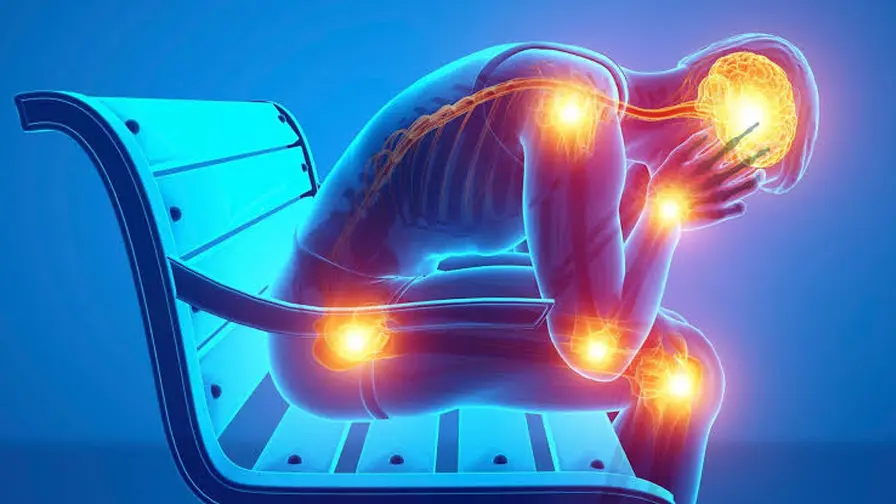
Chronic pain often resists medication and can require invasive procedures. Neuromodulation—using electrical stimulation to alter nerve activity—already helps many patients but typically involves surgical implantation of devices and leads. An injectable alternative could lower the barrier to treatment, expand access, and reduce recovery time.
Could a tiny implant change clinical practice? Possibly. It offers a middle ground between oral drugs and full surgical implants. For conditions driven by abnormal nerve activity, the ability to fine tune stimulation in real time could improve symptom control while minimizing side effects.
As Khalil Ramzi, an assistant professor of biomedical engineering at NYU Abu Dhabi, put it, this approach shifts our thinking about neurotherapies. By replacing surgery with injection, we can make these treatments simpler, safer, and more widely available while still keeping precise control over nerve activity.
That optimism is tempered by a clear caveat. So far, evidence comes from bench experiments and animal studies. The device has not yet been shown to reduce chronic pain or fix motor disorders in human patients. Clinical trials are the next crucial step.
If future studies confirm safety and effectiveness, the implications are broad. Physicians might use injectable neuromodulation for localized pain syndromes, post-surgical nerve pain, or even as a temporary bridge therapy while diagnosing complex conditions. The approach could also reduce dependence on long-term opioids and lower the rate of complications related to permanent implants.
Regulatory hurdles remain. Long-term biocompatibility, the durability of wireless power transfer in everyday settings, and the potential for device migration must all be tested rigorously. Nevertheless, the concept points toward a less invasive future for neurostimulation.
Small in size. Big in potential. The next chapters will be written in clinical trials and hospital wards, where real patients will decide whether this injectable device is a breakthrough or a promising stepping stone.

“My work centers on sustainability, energy, and environmental science — examining how innovation can lead to a greener future.”

Discussion
Leave a Comment
Comments
No comments yet. Be the first.