
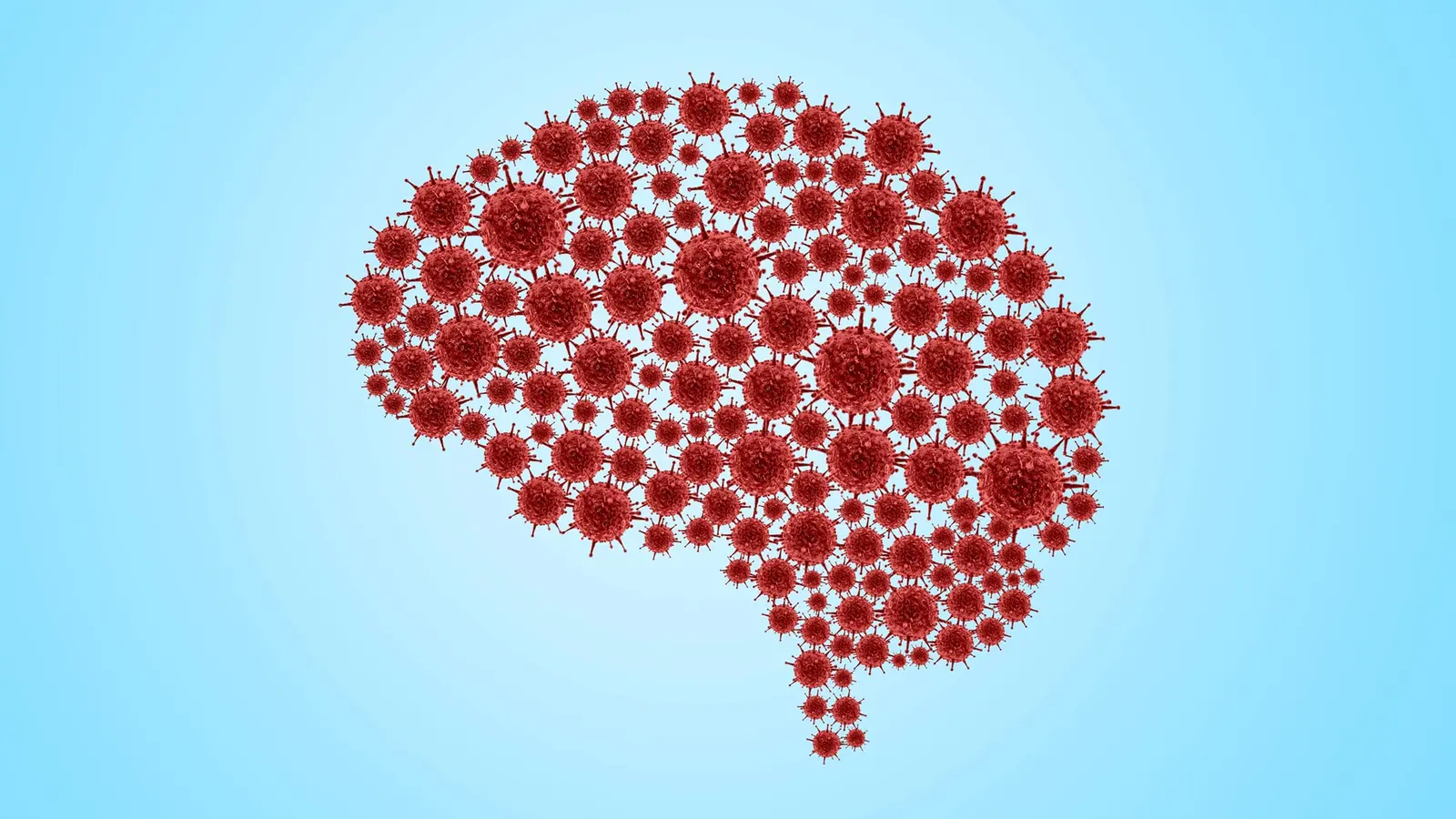
She woke up one morning and nothing felt the same. The chores were the same. The to-do list was unchanged. What vanished was the urge to start. That hollowed-out drive, the slow thinking and stubborn fatigue that linger for months or years after infection, has been the most baffling part of long COVID.
New brain imaging now offers a sharper image of what might be going wrong. Using positron emission tomography, researchers measured a marker tied to the health of dopamine-releasing nerve endings and found consistent reductions across the striatum, the brain hub that helps steer motivation, movement and memory. The pattern is not subtle. It maps neatly onto the symptoms many patients describe.
How scans match the symptoms people feel
Lower marker levels in the ventral striatum were linked to loss of motivation. Dips in the dorsal putamen matched slower movement. Reductions in the caudate putamen aligned with memory problems. Short sentence. Big implication. If dopamine nerve endings are fewer or functioning poorly, it helps explain why someone can be physically recovered yet mentally stalled.
"The scans point to actual injury in dopamine-releasing neurons," says Dr. Jeffrey Meyer, the senior scientist who led the work. He notes that the same kind of neuronal damage is known to produce the very symptoms now seen in long COVID cases. The takeaway is uncomfortable but clarifying: these experiences are rooted in measurable changes inside the brain.

That raises the obvious question. Why are those neurons affected in the first place? The team had an answer waiting from earlier work. They previously reported elevated inflammation in the same brain regions. Now the reduced dopamine marker appears in those inflamed areas, and the degree of reduction correlates with the severity of patients' symptoms. Inflammatory processes can and do injure dopamine cells. The pieces fit together in a worrying but coherent picture.
There is a practical side to this discovery. Much research so far has focused on immune and inflammatory changes without directly testing whether supporting the dopamine system would help. These new results point investigators toward a specific target. Could medicines that raise dopamine availability or slow its breakdown ease brain fog, fatigue and apathy? It is a plausible question, and one that researchers plan to test.
Plans are already in motion to move from observation to intervention. In partnership with University Health Network, the team intends to launch clinical trials that explore whether boosting dopamine activity can restore motivation, sharpen thinking and reduce weariness. If successful, such trials would repurpose familiar pharmacology for a new indication, speeding a path to treatments for people who have waited years for answers.
For patients, the study carries another kind of weight: validation. After years of being told symptoms were subjective or psychological, many have endured disbelief. The scans provide biological evidence that correlates with lived experience. As Susan, a patient advisor, put it, research like this brings both hope and confirmation that what people have suffered is real and devastating.
Science rarely offers neat endings. But mapping a link between inflammation, dopamine neuron injury and the hallmark symptoms of long COVID is a meaningful step. It gives clinicians and patients a clearer direction and, crucially, a testable hypothesis. The next chapters will determine whether this finding becomes a foothold for treatment or merely another clue in a complex puzzle. Either way, the story of long COVID just gained a new and tangible lead.

“My work centers on sustainability, energy, and environmental science — examining how innovation can lead to a greener future.”

Discussion
Leave a Comment
Comments (2)
Is inflammation the chicken or the egg here? If neurons are injured can they recover or is it permanent, what about sample size and confounds? if that's real then...
Wow this hits hard. Woke up like that for months, felt invisible. Scans showing dopamine trouble makes weird sense, finally some direction. Fingers crossed