
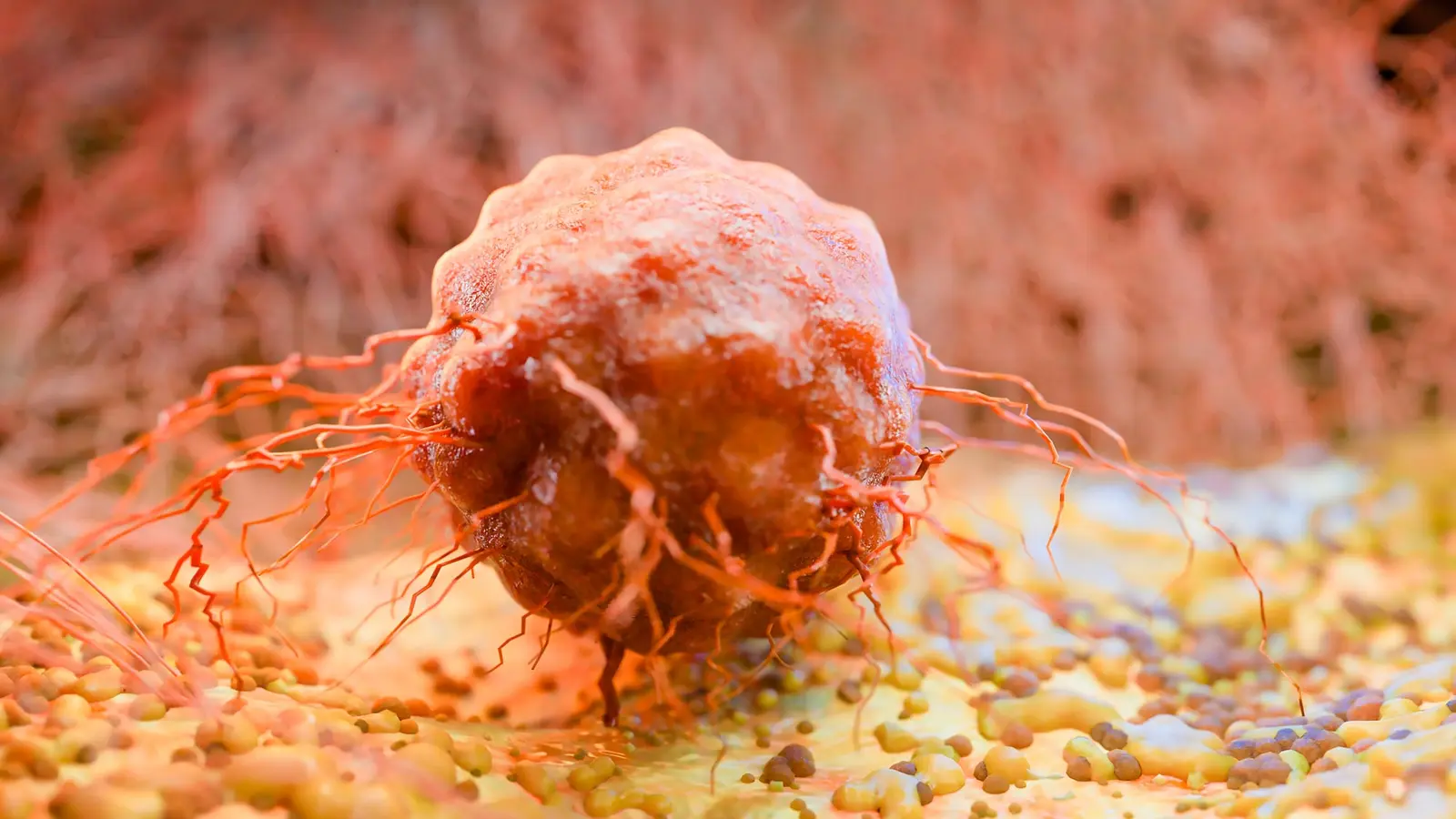
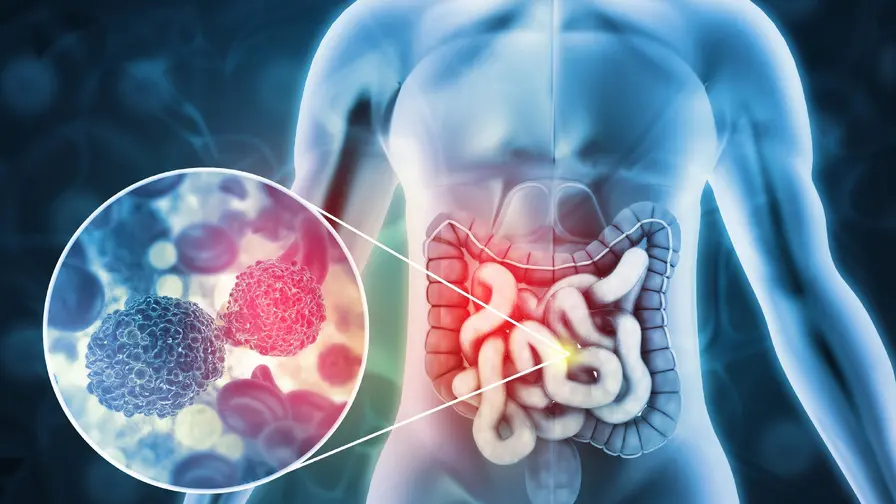
Imagine a fingerprint for cancer that hides inside your intestines. Strange, but increasingly plausible. New research from the Mayo Clinic suggests that the composition of a person’s gut microbiome — the trillions of bacteria living in the digestive tract — can reveal not only which cancers appear at younger ages but also how patients might tolerate chemotherapy.
Certain gut bacteria and their genes were linked to cancer outcomes and chemotherapy side effects.
A cross-country stool survey that opens new lines of inquiry
The team analyzed stool samples from 1,364 people with cancer who came to Mayo Clinic clinics in Arizona, Florida, and Minnesota. Participants represented roughly 40 US states, and crucially, samples were collected before any cancer treatment began. Those samples were then mapped against medical records that tracked diagnoses, stages, therapies, side effects, and survival. The dataset is part of the Mayo Clinic Cancer Microbiome cohort and the analysis appears in Cell.
Why does timing matter? Because the study found distinct microbial signatures in cancers that show up early in life. In colorectal cancer diagnosed at age 50 or younger, researchers measured higher levels of lactate in stool and a corresponding increase in a bacterium called Veillonella parvula. That pairing — a tumor-associated metabolite and a microbe that can consume it — is the kind of biological coincidence that demands closer study.
Breast cancer told another story. Patients diagnosed younger than 50 had shifts across dozens of bacterial species, including higher levels of Clostridium scindens, a bacterium involved in bile acid and steroid metabolism. These younger patients also had lower levels of primary bile acids, compounds the liver produces to help digest fat. Brain tumors, by contrast, did not show a clear age-related microbiome pattern, suggesting that early-onset signatures are not universal across all cancers.
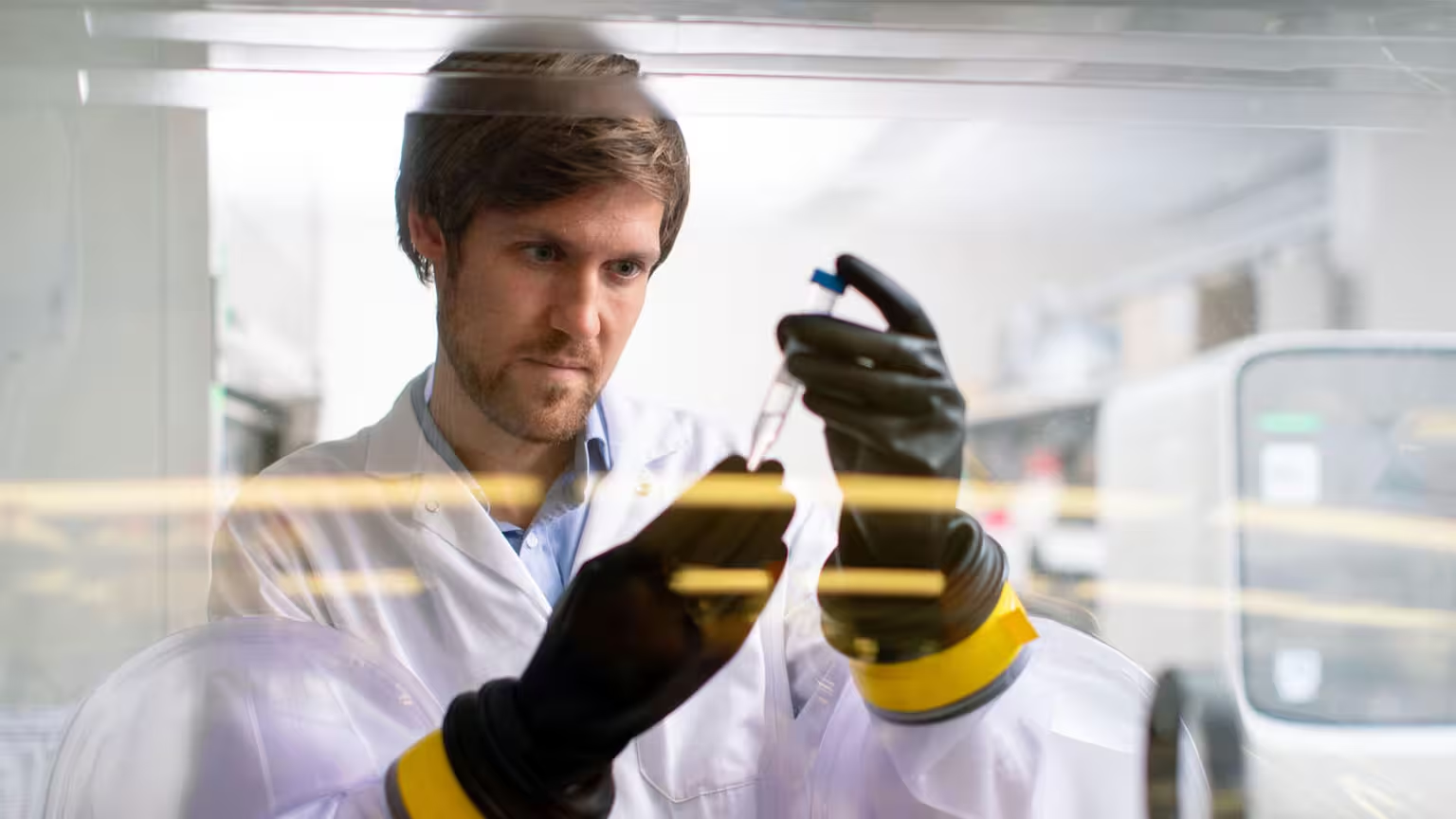
Ruben Mars, Ph.D., works within an anaerobic chamber in the Microbiomics Program laboratory at Mayo Clinic.
From broad associations to cancer-specific signals
To separate cancer-linked differences from normal variation, researchers compared the cancer group with 287 people without cancer. After adjusting for other health conditions, they identified 341 bacterial species associated with five clinically grouped cancer types. The patterns were not uniform. For example:
- Neuroendocrine tumor patients tended to lose several taxa typically associated with a healthy gut.
- Liver and intrahepatic bile duct cancers showed higher levels of bacteria such as Enterococcus faecalis.
- Esophageal cancer correlated with elevated Streptococcus species.
- Distinct microbial signatures also appeared in lymphoid leukemia and plasma cell malignancies like multiple myeloma.
Why does this matter? Identifying which microbes are consistently linked to a given cancer narrows the experimental field. Those species become candidates for mechanistic studies: do they influence tumor growth, or are they passengers that reflect tumor-driven changes in metabolism and immunity?

Purna Kashyap, M.B.B.S.
Microbes and survival
The researchers went a step further, tying microbiome features to clinical outcomes. Several gut bacteria correlated with survival differences. For instance, in liver and intrahepatic bile duct cancers, presence of Bifidobacterium longum associated with longer survival, while Blautia A massiliensis linked with shorter survival. Similar associations were found for colorectal, ovarian, prostate cancers, and melanoma. These are statistical links, not proof of cause. Still, they supply concrete targets for future trials and laboratory experiments.
When microbes predict a treatment side effect
One of the most actionable findings concerns chemotherapy toxicity. Among patients who received 5-fluorouracil, commonly called 5-FU, those who later developed diarrhea had lower abundances of bacterial genes that can metabolize the drug. Much of that gene activity was traced to Anaerostipes hadrus, a gut species that appears to help break down 5-FU derivatives.
By contrast, the same relationship did not appear for patients treated with carboplatin. That specificity suggests the association is drug-dependent rather than a general marker for susceptibility to chemotherapy-related diarrhea.
If validated in larger cohorts, this insight could enable clinicians to flag patients at higher risk for a particular side effect and explore interventions — for example, pre-treatment microbiome modulation or targeted probiotics — aimed at reducing toxicity.
Expert Insight
"The dataset is powerful because it links real-world clinical outcomes with a pre-treatment microbiome snapshot," says Dr. Elena Suarez, a clinical microbiologist and oncologist unaffiliated with the study. "It doesn’t claim causation yet, but it gives researchers a map. The next steps are experiments that test whether changing specific microbes alters tumor biology or patient tolerance to drugs."
There is a long road from association to intervention. Animal studies, controlled human trials, and careful safety assessments are required before doctors can use microbiome profiles to guide treatment. Still, the concept is already promising: a personalized medicine layer based not only on tumor genetics but also on the ecology of a patient’s gut.
Conclusion
This Mayo Clinic study strengthens the emerging view that the gut microbiome is a meaningful, measurable factor in cancer biology and patient care. It reveals age-related microbial differences in colorectal and breast cancers, identifies hundreds of species linked to specific cancers, and offers a first proof of concept that microbiome features measured before treatment can forecast therapy side effects. Whether these microbial signals are causal or consequential remains to be proven, but they provide concrete directions for laboratory research and future clinical trials.
Next steps for the team include validating predictive microbial signatures in larger patient populations and testing causal hypotheses, such as whether Veillonella parvula’s use of lactate contributes to early-onset colorectal cancer. If even a fraction of these associations hold up, microbiome-informed oncology could become another tool for tailoring treatment and reducing harm.

“My work centers on sustainability, energy, and environmental science — examining how innovation can lead to a greener future.”

Discussion
Leave a Comment
Comments
No comments yet. Be the first.