
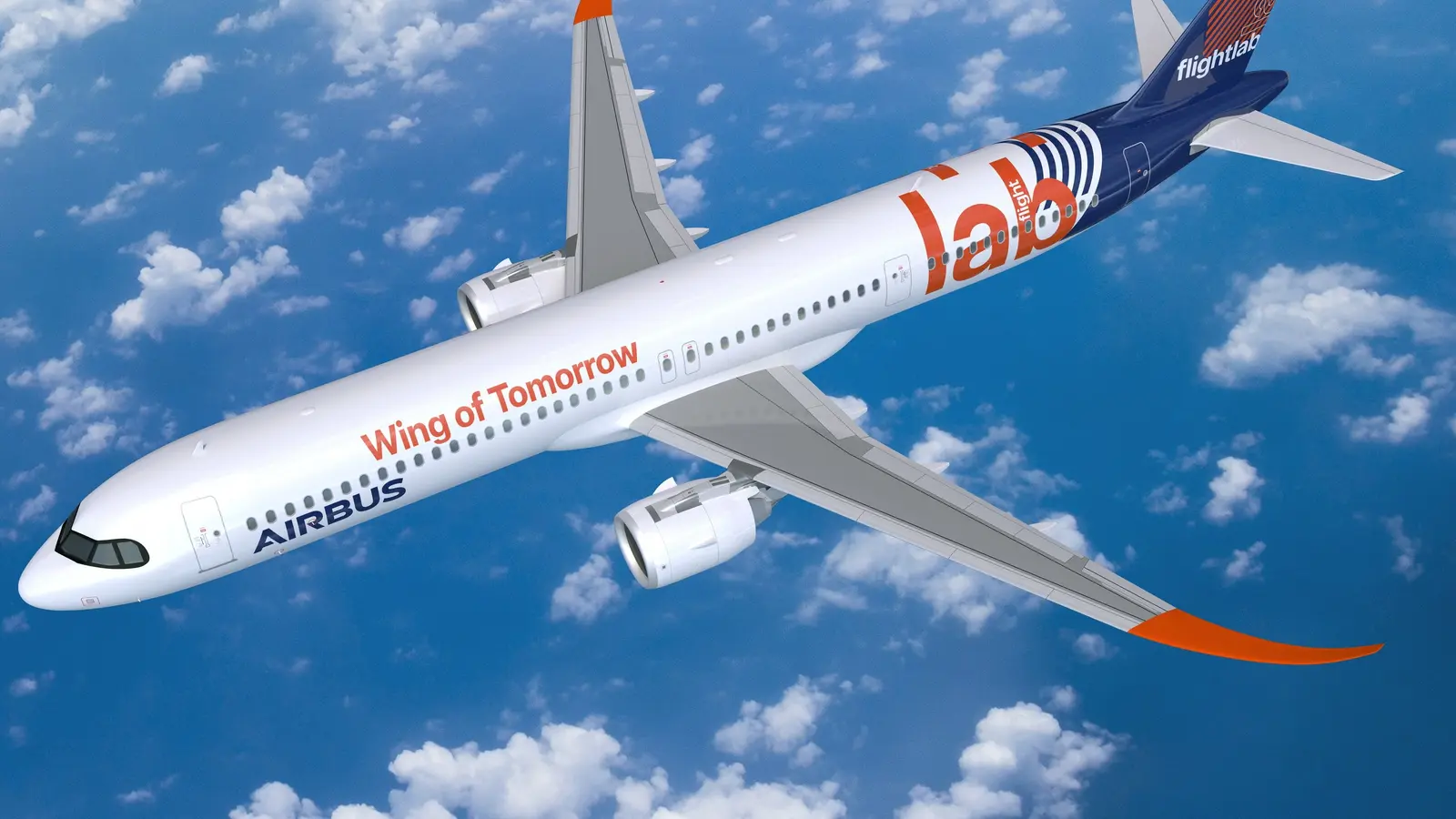
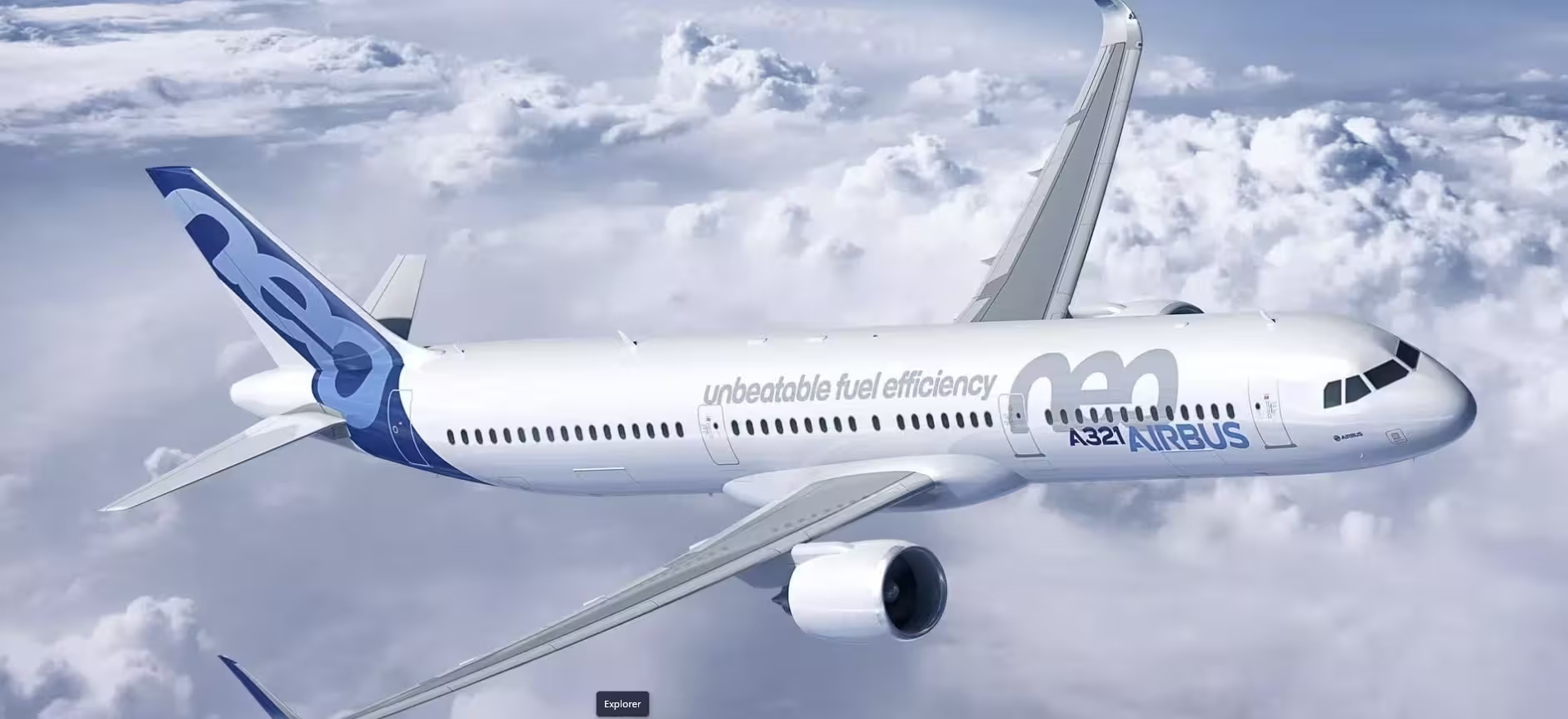
Look up at an A321neo and imagine wings that keep stretching, quiet and efficient, slicing more sky with less fuel. That thought experiment is now real. Airbus is fitting full-scale wing extensions to A321neos and sending them up to learn what longer wings can do for efficiency and emissions.
Learning from the sky, one test at a time
Why lengthen wings? Simple: a longer, slimmer wing reduces drag and lets an aircraft glide more efficiently. The payoff is lower fuel burn for airlines and fewer emissions for everyone on the ground. Airbus has chased that prize since it launched the Wing of Tomorrow program in 2014. This is the next, noisier chapter.

Over roughly the next three years, Airbus will build and install multi-meter wing extensions on a number of A321neo test aircraft. Each extension will mimic a folding wing left fully extended during flight and will carry dozens of sensors and test instruments. The goal is not cosmetics. It is to collect real in-flight data so engineers can understand the loads, vibrations, and aerodynamics that only appear in the sky.
Design work is currently being polished with digital models and wind tunnel trials. Once the shapes are frozen, production moves to Airbus’ Wing Technology Development Centre in the UK. Flight testing will happen over Toulouse, France. Airbus has also already produced three 17-meter demonstrator sections to learn what manufacturing and scaling those wings would require.
Longer, lighter wings could shave fuel use and emissions across decades of air travel.
The experiments do not stop at fixed extensions. Airbus is also progressing the eXtra Performance WING demonstrator, a flexible concept that can change camber and shape in flight to keep efficiency high across different conditions. That demonstrator is nearly assembled in Cazaux and should fly by the end of the year on a remotely piloted aircraft.
These projects matter beyond commercial aviation. Materials, control systems, and adaptive aero ideas have a way of crossing industries. Carmakers, especially those designing high-efficiency electric vehicles, watch this work because the same principles—lightweight structures, active aero, and precise digital development—can shave energy use on the road as well as in the air.
Airbus is not promising immediate changes to passenger schedules or ticket prices. What it is offering are hard lessons: real-world data on how much performance gains longer spans deliver, what manufacturing looks like at scale, and what trade-offs arise when wings grow. The next-generation single-aisle jets that follow could be quieter, greener, and more efficient if these tests pay off.
So the next time you see an A321neo climbing away, remember this: engineers are testing wings that might shape the next half-century of flight, and the ripple effects could reach the cars we drive as much as the planes we fly.

“I cover automotive innovation, electric vehicles, and the future of mobility — where technology meets sustainability.”

Discussion
Leave a Comment
Comments (2)
Looks clever, but retrofitting and scaling sounds messy. Hope they actually lower tickets, not just PR stunts. We'll see how it performs in real ops.
Whoa, wings that grow in flight? If that really cuts fuel like they say, huge win... but curious about maintenance, manufacturing headaches and noise tradeoffs.