
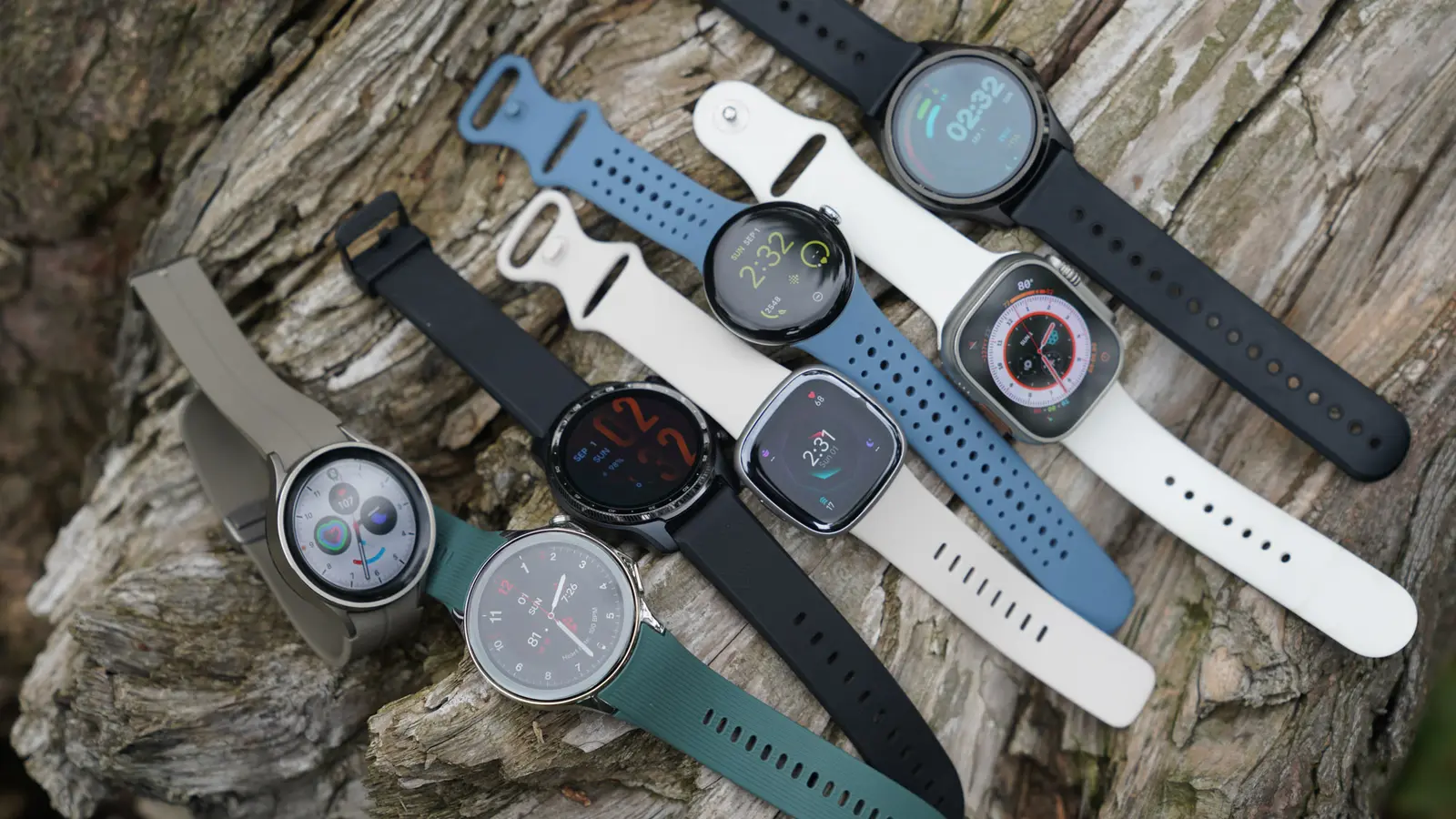
Think smartwatches had plateaued? Q1 2026 says otherwise. Shipments crept upward, buyers reached for higher-end models, and makers answered with richer sensors and beefed-up health tracking. The market feels less like a gadget race and more like an arms race for accuracy and battery life.
Premiumization is the story, not just growth
Global smart wearable shipments rose 4% year on year in the first quarter of 2026, according to Counterpoint Research. That’s modest, but it comes after a shaky 2024 and a steady recovery through 2025. What stands out is quality over quantity: the global average selling price climbed about 6% YoY, a clear sign consumers are willing to pay more for better sensors, longer runtime, and nuanced health metrics.
Apple remains the headline. North America accounted for more than half of its shipments, helping Apple secure first place globally with roughly a 23% market share — up 21% compared with Q1 2025. In short, Apple’s newer wearables pulled much of the market forward. Small improvements in battery chemistry and software refinement suddenly look like big reasons to upgrade.
China tells a different, faster story. Domestic shipments there jumped 15% YoY. Huawei leads the local pack with about 40% of China’s smartwatch market, followed by Imoo and Xiaomi. That domestic momentum pushed Huawei into the global runner-up spot, with shipments growing around 12% in the quarter.

So who rounded out the leaderboard? Xiaomi and Imoo held solid positions, while Samsung slipped. The South Korean giant recorded a notable 28% decline in shipments, a reminder that even long-established brands can lose ground when the market pivots toward premium features and tighter health integrations.
- Apple: 23% global share, strong North American demand
- Huawei: rapid growth, 40% share in China
- Xiaomi and Imoo: steady contenders
- Samsung: double-digit drop in shipments
Manufacturers are reacting fast. New models increasingly emphasize medical-grade sensors, continuous monitoring, and subscription services layered on top of hardware. Developers are bundling algorithms and apps to justify higher prices, and the market is starting to reward those who can deliver reliable insights, not just slick watch faces.
One clear takeaway: consumers are buying smarter, not just more.
Expect the next few quarters to show whether this premium pivot is durable. If it is, the wearable market will shrink a little in unit churn while expanding in revenue per device — a healthier scenario for brands that can invest in real health features and longer product lifecycles.

“I love exploring gadgets, apps, and trends that redefine how we connect, work, and play in a digital world.”

Discussion
Leave a Comment
Comments
No comments yet. Be the first.