
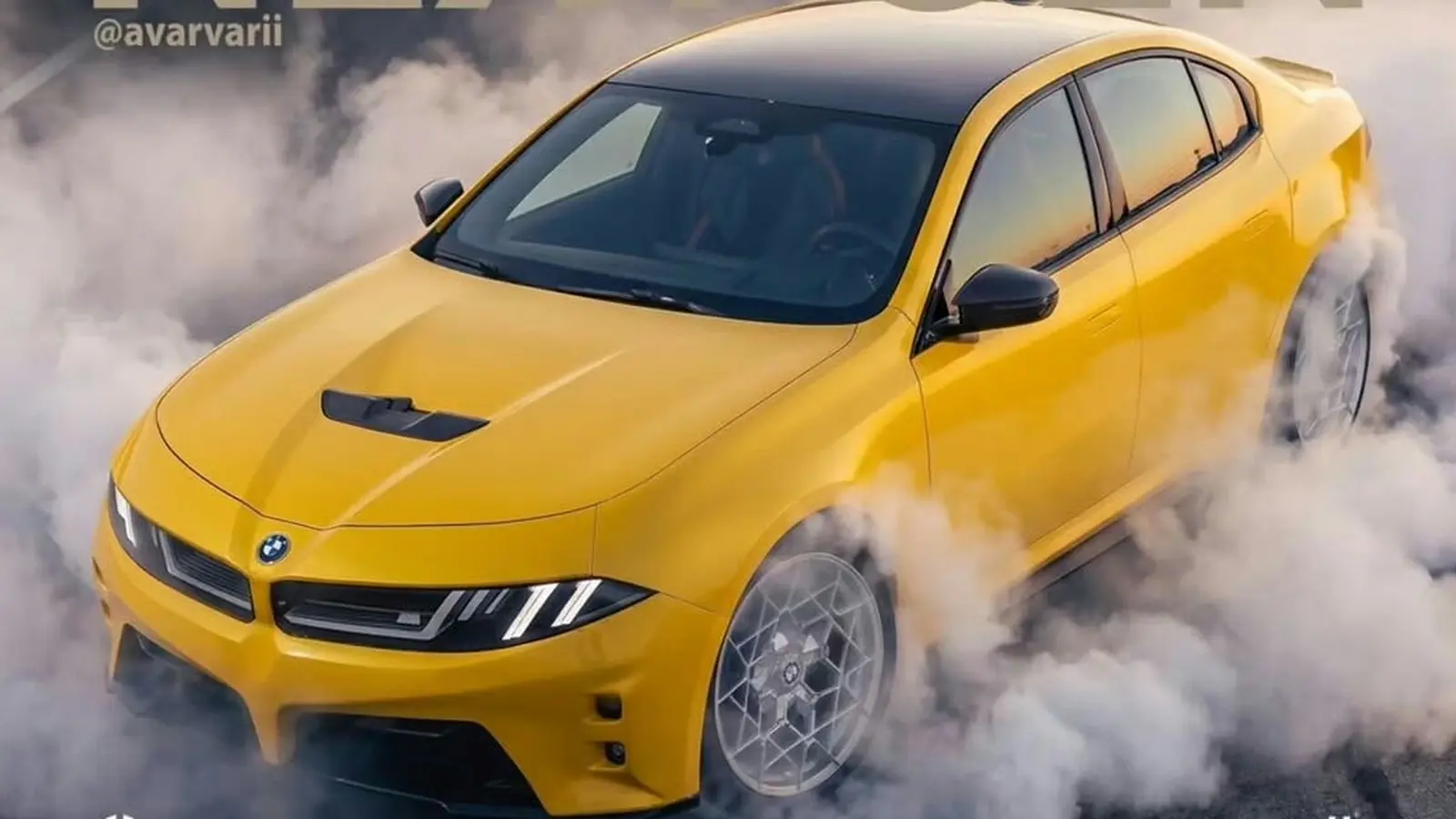
Picture this: a row of M3s idling at the lights, engines rumbling. Then one glides forward in near-silence and vanishes ahead. It’s not a ghost story. It might be BMW’s plan.
BMW’s performance arm is preparing a two-headed assault on the sports-sedan market. One M3 will retain a combustion heart. The other will run purely on batteries. Same badge. Different souls.
The split personality that could reset expectations
Don’t mistake the electric M3 for a trimmed-down i variant. This is being built on BMW’s Neue Klasse electric architecture, complete with an 800-volt electrical system and a bespoke layout tuned for performance. The combustion M3, meanwhile, is expected to evolve from an updated CLAR platform. Two platforms. Two engineering philosophies. Two very different driving promises.

Rumors about the electric model are loud where the car itself will be quiet. Some insiders whisper about up to 1,000 metric horsepower — roughly 986 brake horsepower and about 736 kilowatts — while more conservative estimates put the realistic ceiling closer to 700 metric horsepower, which is around 691 bhp or 515 kilowatts. Officially, BMW has confirmed a quad-motor arrangement for the M3 EV, which explains the bold power speculation and suggests blistering straight-line pace.
So will the electric M3 simply outrun the ICE version on the drag strip? Probably. Will it capture the soul of what makes an M3 engaging on twisty roads? That is the real question fans are asking. Electric torque is brutal and immediate. But weight is the nemesis. Can BMW keep the balance and agility M3 drivers expect?

Renderings that have circulated online give us an early taste. Designers are borrowing heavily from the M Concept Neue Klasse: taut shoulders, compact overhangs, and a front and rear treatment that reads aggressive even without exhaust tips. The digital previews feel credible because they build on spy shots and prototype cues seen during road testing.
Inside, expect a modern BMW interpretation: a layered dash, digital displays across the cabin, and the kind of ergonomics M drivers demand. Reports suggest both cars will share a similar interior layout to BMW’s latest EVs, with large screens and a minimalist layout that won’t be shy about showing you information. Purists may grumble about screen-heavy cabins, but BMW will almost certainly sprinkle familiar M touches—firm bucket seats up front, a driver-focused interface, and performance controls designed for track work.
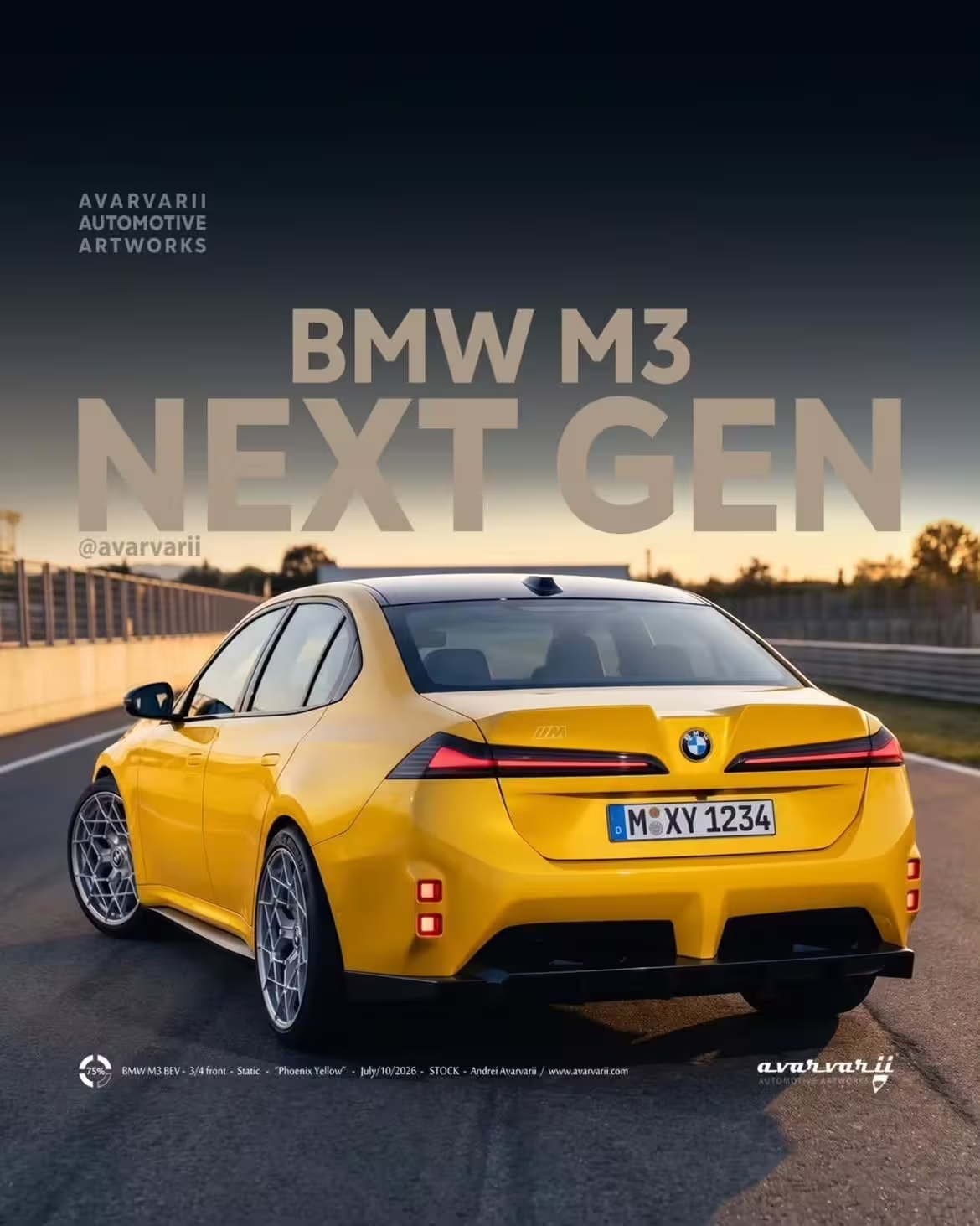
Names matter. The electric car will carry the M3 badge rather than an i-prefixed moniker. That’s a deliberate marketing choice. BMW wants buyers to see continuity, not a fork in the family tree.
- Platform: Neue Klasse (EV) vs updated CLAR (ICE)
- Powertrain: confirmed quad-motor for the EV
- Projected power: speculative range from ~700 to 1,000 metric horsepower
- Launch window: expected sometime in 2027
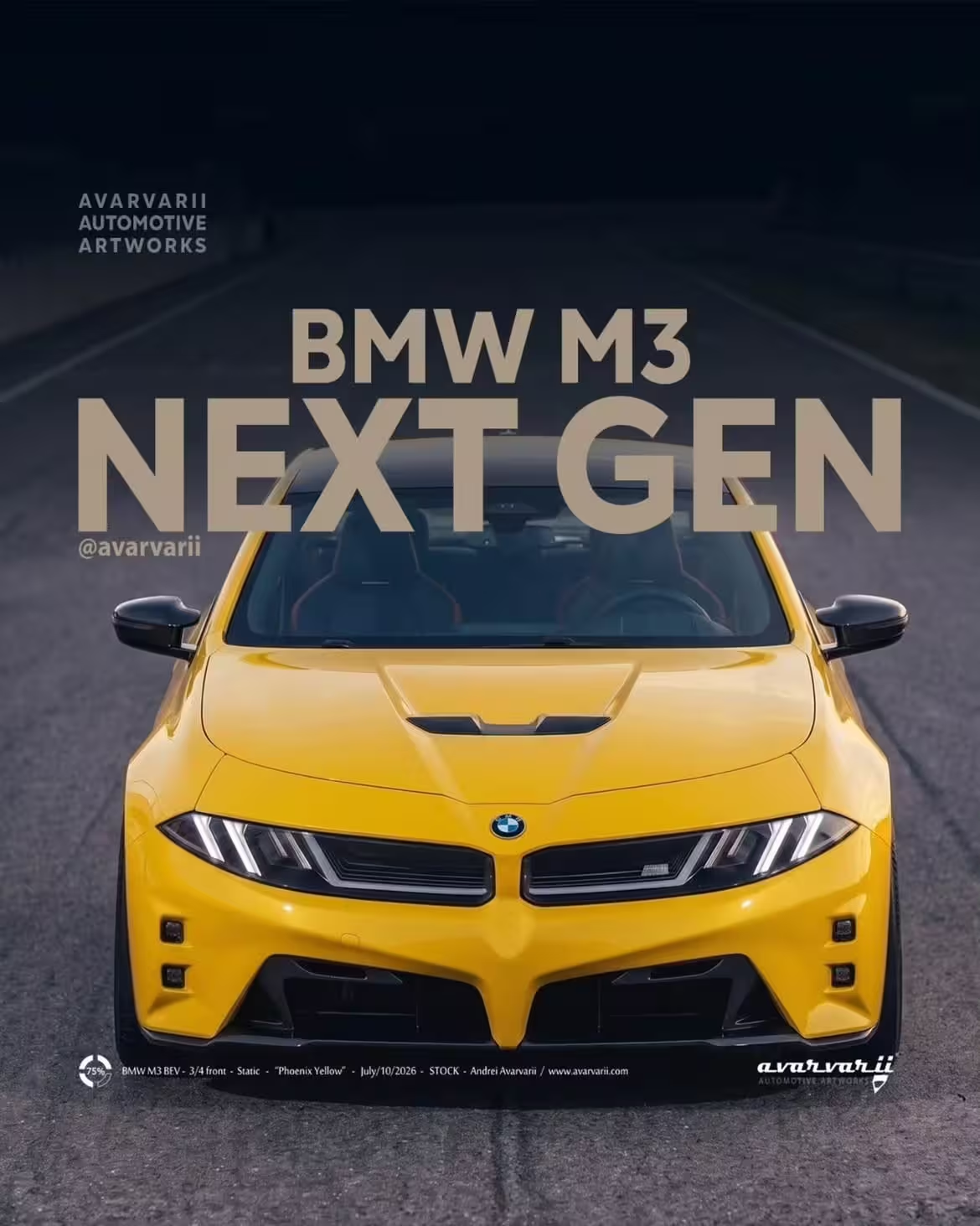
When BMW begins peeling camouflage off prototypes and releasing hard specs, the debate will sharpen: which M3 earns the enthusiast crown? Will the silent one seduce enough drivers to tip the balance toward electric performance? Or will the visceral pull of a rev-happy engine keep purists in the ICE camp?
Either way, the next M3 chapter looks more interesting than ever. One car may break the tradition. The other may defend it. And both will push BMW’s M Division to find a new definition of performance for the decade ahead.
Takeaway: BMW is building two M3s with distinct engineering DNA; the electric variant could outpace its sibling, but the fight for driving soul is only just beginning.

“I cover automotive innovation, electric vehicles, and the future of mobility — where technology meets sustainability.”

Discussion
Leave a Comment
Comments (2)
Wow, two M3s? one that whispers and one that roars... this could be wild. Hope BMW nails the weight balance though, or it just feels soft.
Is BMW really gonna slap the same M3 badge on both? EV might kill the sound and soul, if weight stays high. Curious, skeptical.