
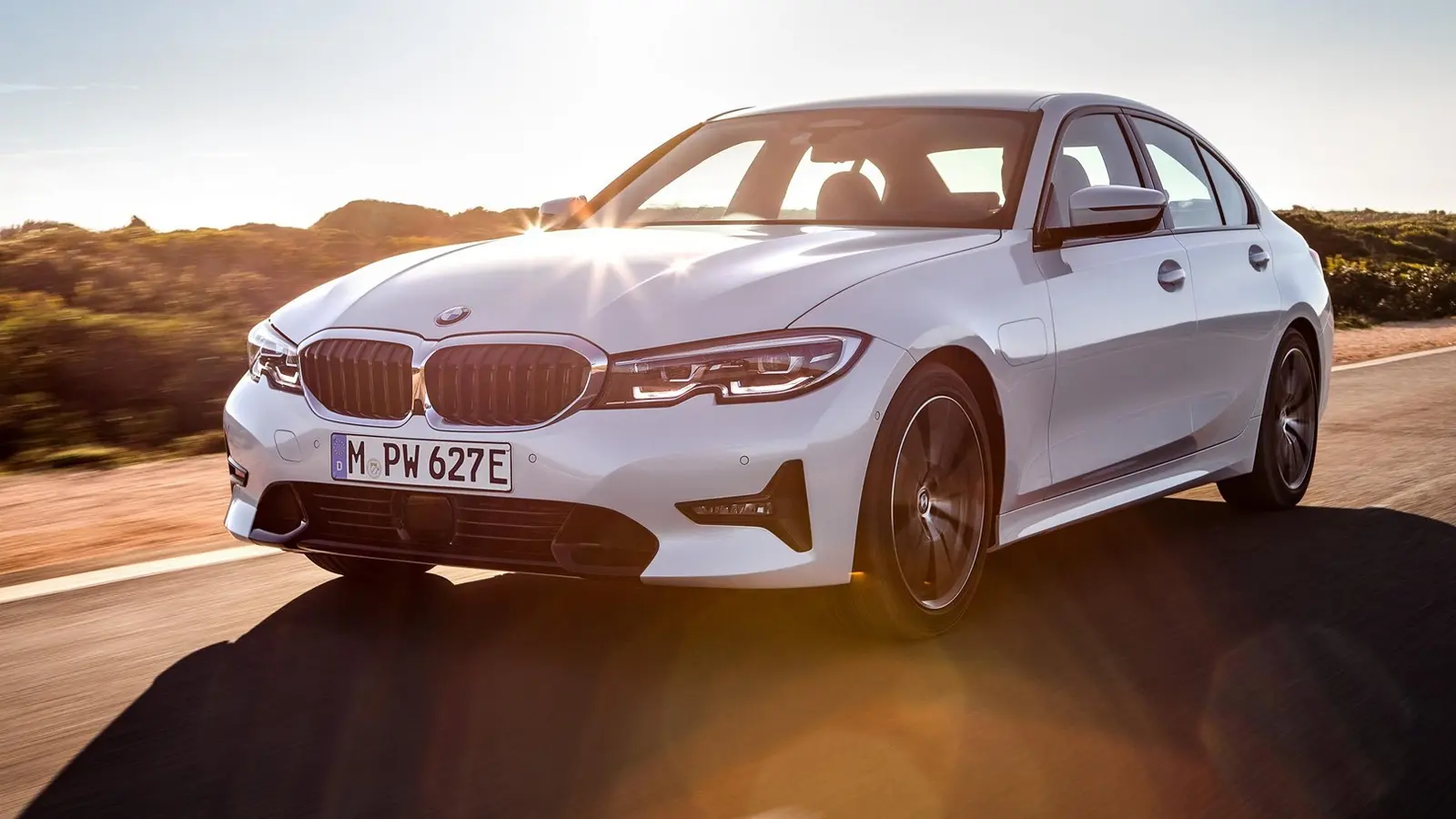
If your 3 Series, 5 Series or 7 Series plug-in hybrid is in the driveway, don’t tuck it into the garage just yet. BMW of North America has issued a recall affecting 29,119 plug-in hybrid models after finding engine starter relays that can corrode and potentially short, creating an overheating risk.
The recall covers certain 330e models from model years 2016 through 2018 produced between July 13, 2015 and October 5, 2018, plus both rear-wheel-drive and xDrive versions of the 530e and the 740Le with xDrive. Valeo supplied the suspect starter assemblies, which are tied to eight different part numbers. BMW warns that a short in these relays could cause a thermal event while driving or even when the ignition is off.

What BMW will do and what owners should know
Owners will receive first-class notifications on or about August 28, 2026, with instructions to bring affected cars to dealers. The fix: a replacement starter assembly built to an improved design. BMW has not published technical details about the redesign, but VINs tied to the recall will be uploaded to the NHTSA database by the same date.
So far, BMW’s North American arm says it has not received reports of thermal events that are linked to this issue. Still, the company is urging caution: park outdoors if you can until your vehicle has been inspected and the new part installed.

What does this mean in plain terms? A small electrical component, housed in the starter assembly, is vulnerable to corrosion. Corrosion plus current can create heat. Heat plus sensitive electronics can trigger smoke or worse. It’s the kind of problem that starts small and can escalate fast, which is why BMW is acting now rather than later.

Technical fans will note the affected cars share similar hybrid architectures. The 3 Series plug-in hybrid generation in question pairs a 2.0-liter turbocharged inline-four with double VANOS to a permanent-magnet synchronous motor that lives inside the ZF-supplied automatic transmission. The electric motor on the 330e produces about 87 horsepower and 184 lb-ft (250 Nm) of torque. Its high-voltage battery under the rear cargo floor has a gross capacity of 7.6 kWh, and the onboard charger tops out at 3.5 kW.

The 530e and 530e xDrive use a similar setup but with a stronger electric motor—about 111 horsepower—along with a slightly larger battery and a better onboard charger. The 740Le with xDrive from those years shares much of the same hardware as the 530e xDrive.
Why are PHEVs dwindling in BMW’s U.S. lineup? Regulations, shifting compliance credit systems, and customer appetite have pushed BMW to prioritize pure battery-electric models. Still, PHEVs remain in the range for buyers who want a bridge between combustion and full electrification.
BMW’s more powerful plug-in and hybrid models survive on the roster: the M5 and XM are notable examples, packing 717 and 738 horsepower respectively. For context on pricing, the sedan’s listed starting price equates to about €114,700 before destination and taxes, while the base XM translates to roughly €148,400 for the 2026 model year.

Practical steps for owners: check your VIN against the NHTSA recall list after August 28, 2026, keep an eye on the mail for BMW’s letter, and schedule the replacement at an authorized dealer as soon as possible. If you detect smoke, burning smells, or any electrical oddness, call roadside assistance and move the car outdoors immediately.
This recall is a reminder that even small components matter. Cars are complex systems where one corroded relay can force an expensive, inconvenient fix—and in rare cases—create real safety risk. BMW is replacing the parts preemptively. That’s not dramatic. It is responsible.

“Cars are evolving faster than ever. I cover electric vehicles, smart mobility, and the future of transportation worldwide.”

Discussion
Leave a Comment
Comments (2)
I've seen a tiny corroded relay ruin a day, dealer swapped it and calmed nerves. Good they're replacing parts proactively, still I'd avoid the garage till fixed
Is this for real? Corroded starter relay causing heat while parked... BMW waiting till Aug 28? feels late, park outside if you can, especially overnight