
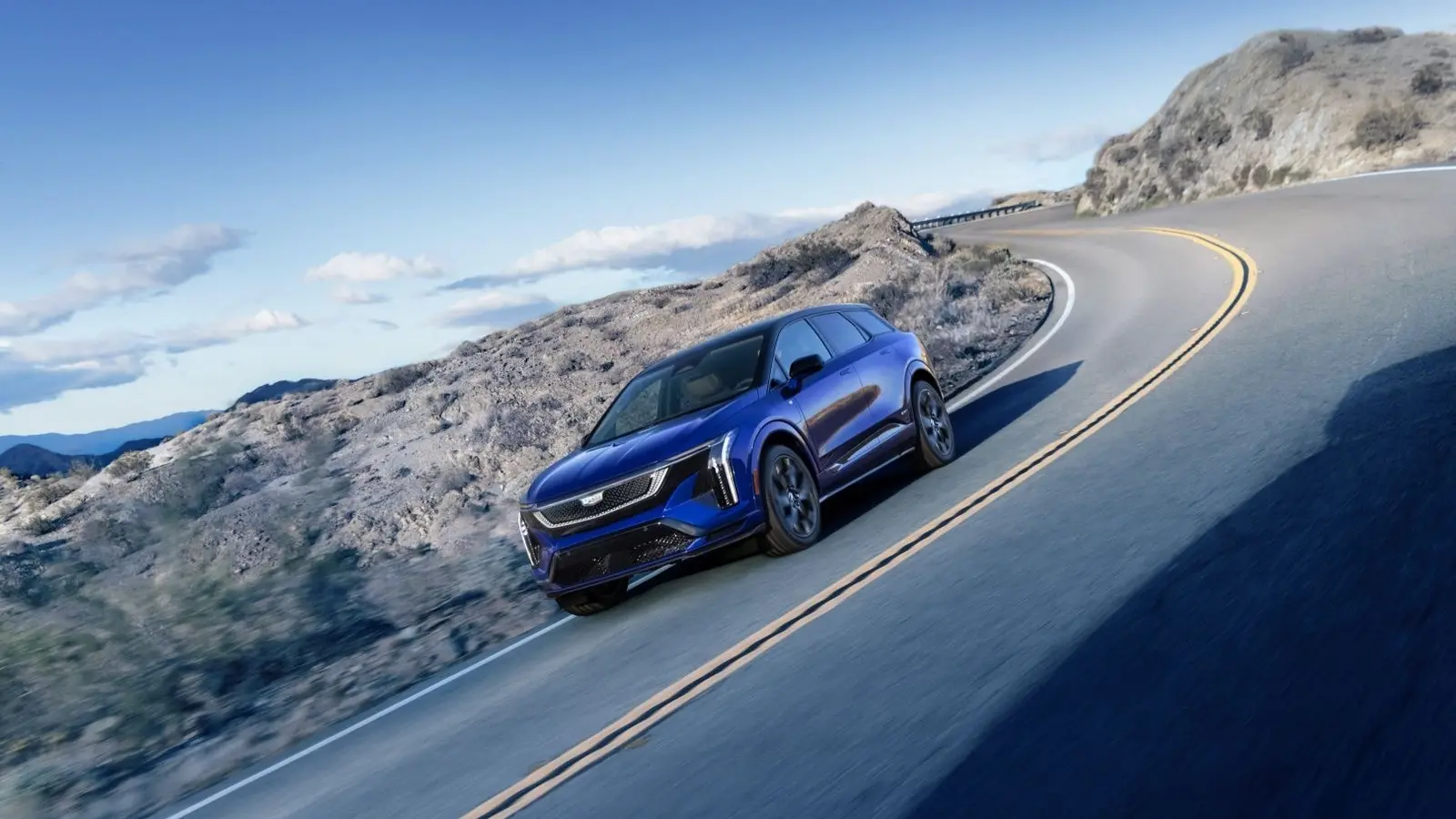
Imagine the Cadillac workshop not in Michigan but in a research center buzzing in Shanghai. It sounds unlikely. And yet, whispers inside the industry say the next-generation Optiq may ride on a platform conceived and produced in China. That change, if true, would reshape how premium EVs are engineered without touching the cars Americans will drive.
A subtle shift with loud implications
Cadillac introduced the Optiq riding on GM’s BEV3 Ultium bones, the same architecture under vehicles such as the Chevrolet Blazer EV and Buick Electra E4. The story now is that GM is quietly moving some engineering weight toward China, tapping local platforms and R&D know-how. Reuters cites an anonymous source who says the Optiq could swap its current underpinnings for a China-developed architecture for cars sold there.

Why would an iconic American luxury brand look abroad for its foundations? Cost, speed, and local expertise. Chinese automakers have pushed hard on scalable electrical architectures, advanced charging electronics, and tight supplier networks. The payoff: more kit and better margins at price points that make sense for Chinese buyers.
For context, GM already collaborates with SAIC through the SAIC-GM PATAC center. Models like the Buick Electra E7 and L7 use the Xiao Yao platform. That architecture supports high-voltage charging at 900 volts and can host pure electric, plug-in hybrid, and extended-range drivetrains. It’s flexible. It’s efficient. And it has helped GM increase its foothold in China.
One car, two worlds
Here’s the crucial part: any platform swap would apply only to the Optiq sold in China. Cadillac’s U.S.-market Optiq will remain on the Ultium-based hardware assembled for American customers. Regulatory barriers, tariffs, and national security rules keep a hard line between where Chinese-made platforms can be deployed and what’s sold in the United States.
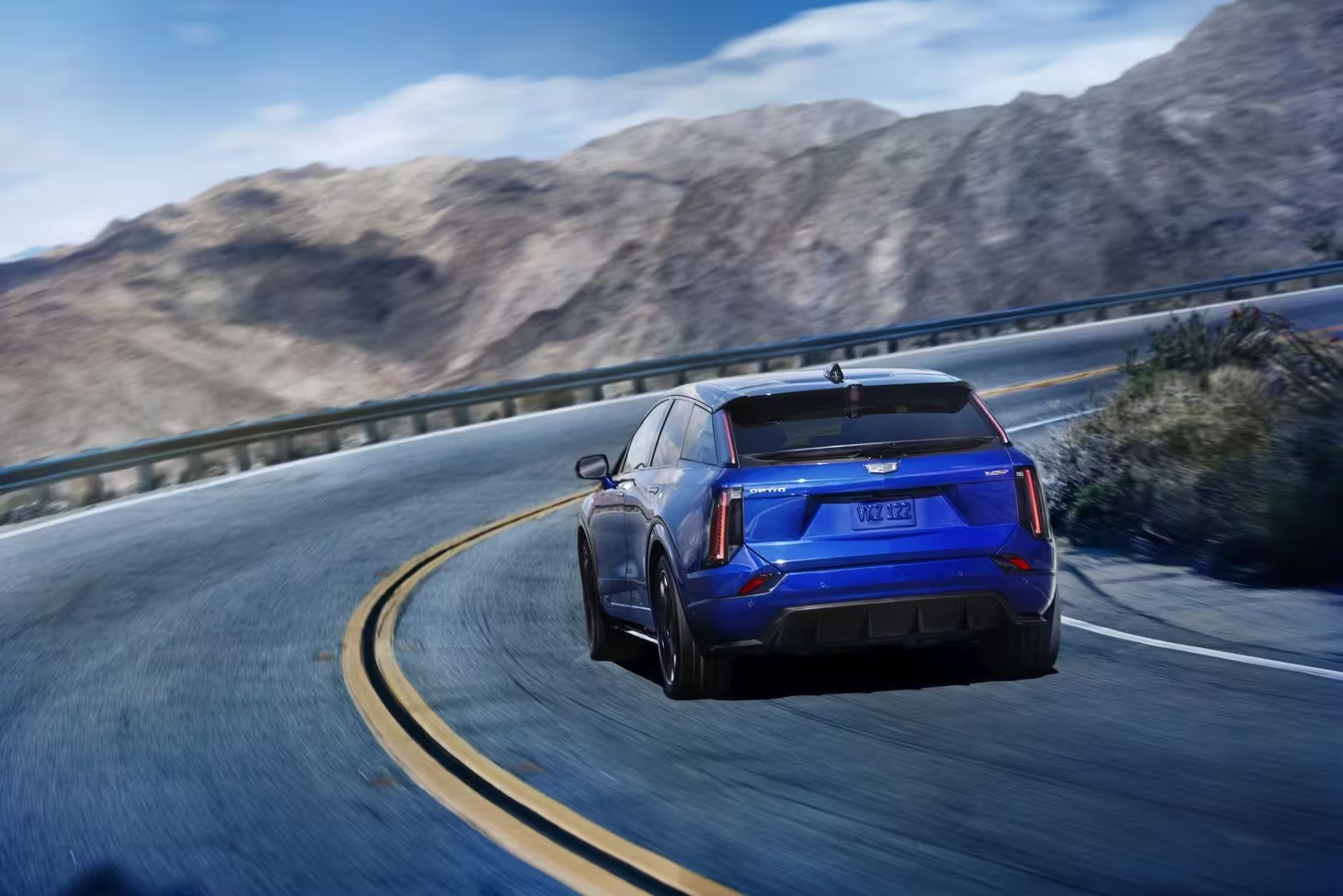
The difference matters. Cadillac moved roughly 12,187 Optiq units in the U.S. last year. In China, GM’s collaboration and localized platforms have produced brisk demand; one model sold more than 10,000 units in its first month there. Local engineering can deliver faster updates and region-specific packaging that global platforms sometimes struggle to match.
Still, direct Chinese imports into the U.S. remain practically impossible. Companies such as Polestar ran up against U.S. Department of Commerce rulings tied to connected vehicle rules. So automakers seeking Chinese efficiency are doing so through joint ventures, in-country development, and selective platform sharing rather than shipping finished cars across the Pacific.

What would this mean for buyers? For Chinese customers, a next-gen Optiq on a local platform could mean more tech, competitive pricing, and faster feature cycles. For American buyers, nothing immediate changes. The U.S. Optiq will keep its Ultium DNA and the supply chain that supports it. The cheaper entry point in China helps GM expand market share there, while protecting its domestic lineup.

And what about pricing? Cadillac’s most affordable EV today lists for about €46,000, so any local architecture that trims cost without cutting quality will be watched closely by competitors and consumers alike.
In short, this isn’t a takeover. It’s an experiment in global engineering strategy. GM learns from local strengths and applies them where they make sense. Cadillac’s badge remains American. Its engineering map is simply getting more global. Expect more platform hybrids of thought like this as legacy brands race to stay relevant in an electrified market.

“Cars are evolving faster than ever. I cover electric vehicles, smart mobility, and the future of transportation worldwide.”

Discussion
Leave a Comment
Comments (2)
Makes sense tbh. Local R&D = faster updates, cheaper cars. Hope fit & finish stays tight, though
China-only platform for the Optiq? hmm... smart move for margins, but is this even true? curious about longterm impacts, politics gonna bite?