
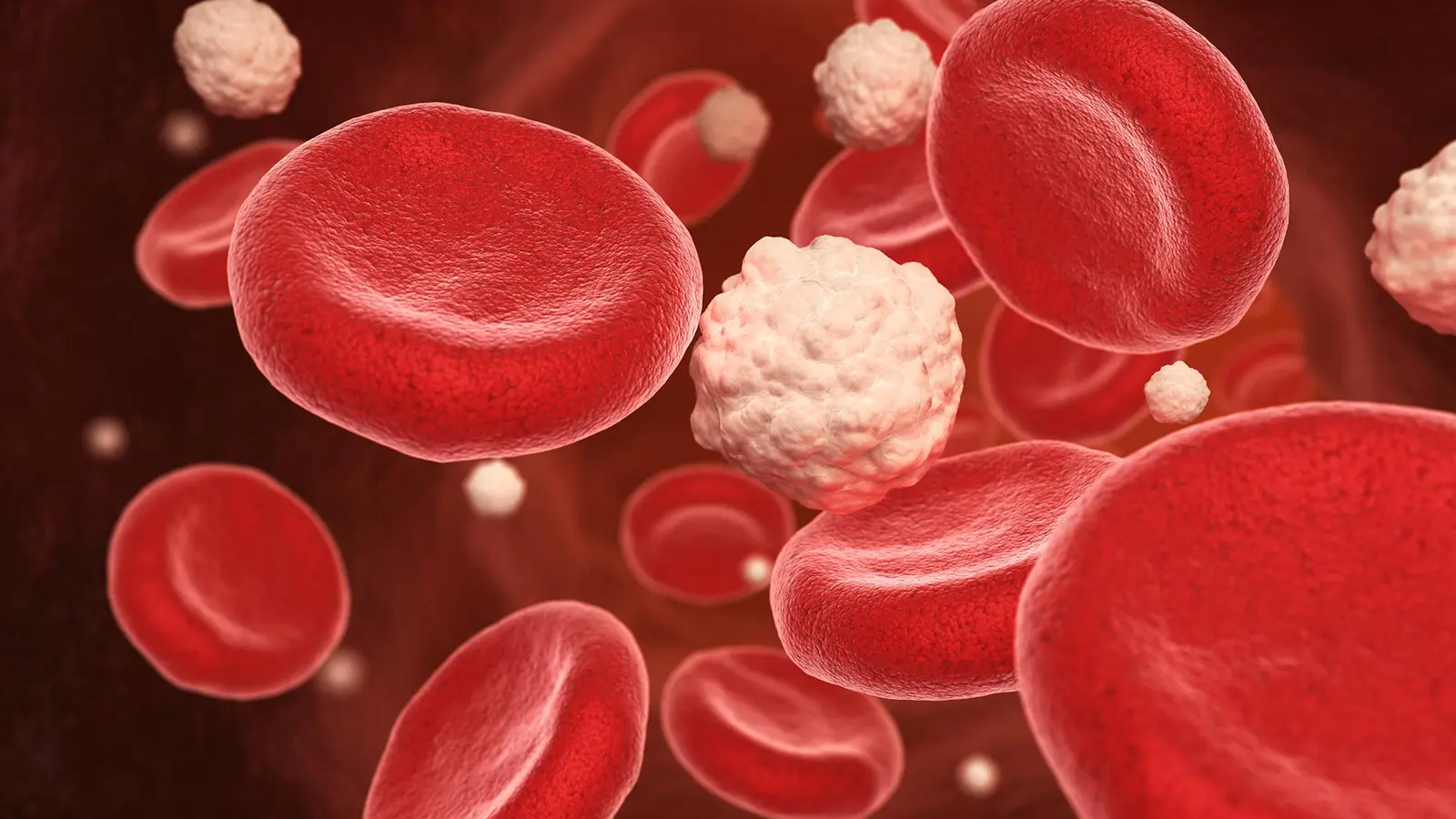
A day of tiny rises and dips in blood sugar might be whispering about your heart. Standard lab tests can miss those whispers, and a new look at continuous glucose monitoring suggests they could matter even for people without diabetes.
Standard blood sugar tests can miss fluctuations that unfold throughout the day. Continuous monitoring may capture these hidden patterns, offering researchers a new way to study early metabolic changes before disease develops.
What researchers found in everyday glucose data
Scientists at Boston University analyzed continuous glucose monitoring records from roughly 1,300 adults enrolled in the Framingham Heart Study who did not have diabetes or known cardiovascular disease. Rather than single-point measures, such as a fasting glucose or an HbA1c, CGM records every few minutes. That provides three classes of information: the average glucose level, how wildly it swings, and how often it climbs above specific thresholds.
In this dataset, higher mean glucose and more time spent above 140 mg/dL were linked with a greater probability of high blood pressure and with alterations in cholesterol measures. The associations were cross-sectional, meaning they capture relationships at one moment rather than proving cause and effect. Still, the pattern is consistent with a growing body of research tying intermittent elevations in blood sugar to cardiometabolic stress.
How CGM differs from routine screening
- Fasting plasma glucose records a snapshot after a period without food.
- Hemoglobin A1c summarizes average glucose over weeks to months.
- Continuous glucose monitoring captures moment-to-moment fluctuations and excursions above clinical cutoffs.
That difference matters. Two people with similar A1c values can have very different daily glucose patterns: one steady, the other punctuated by spikes after meals. Those spikes may stress blood vessels, trigger inflammation, or expose metabolic vulnerabilities that conventional screening overlooks.
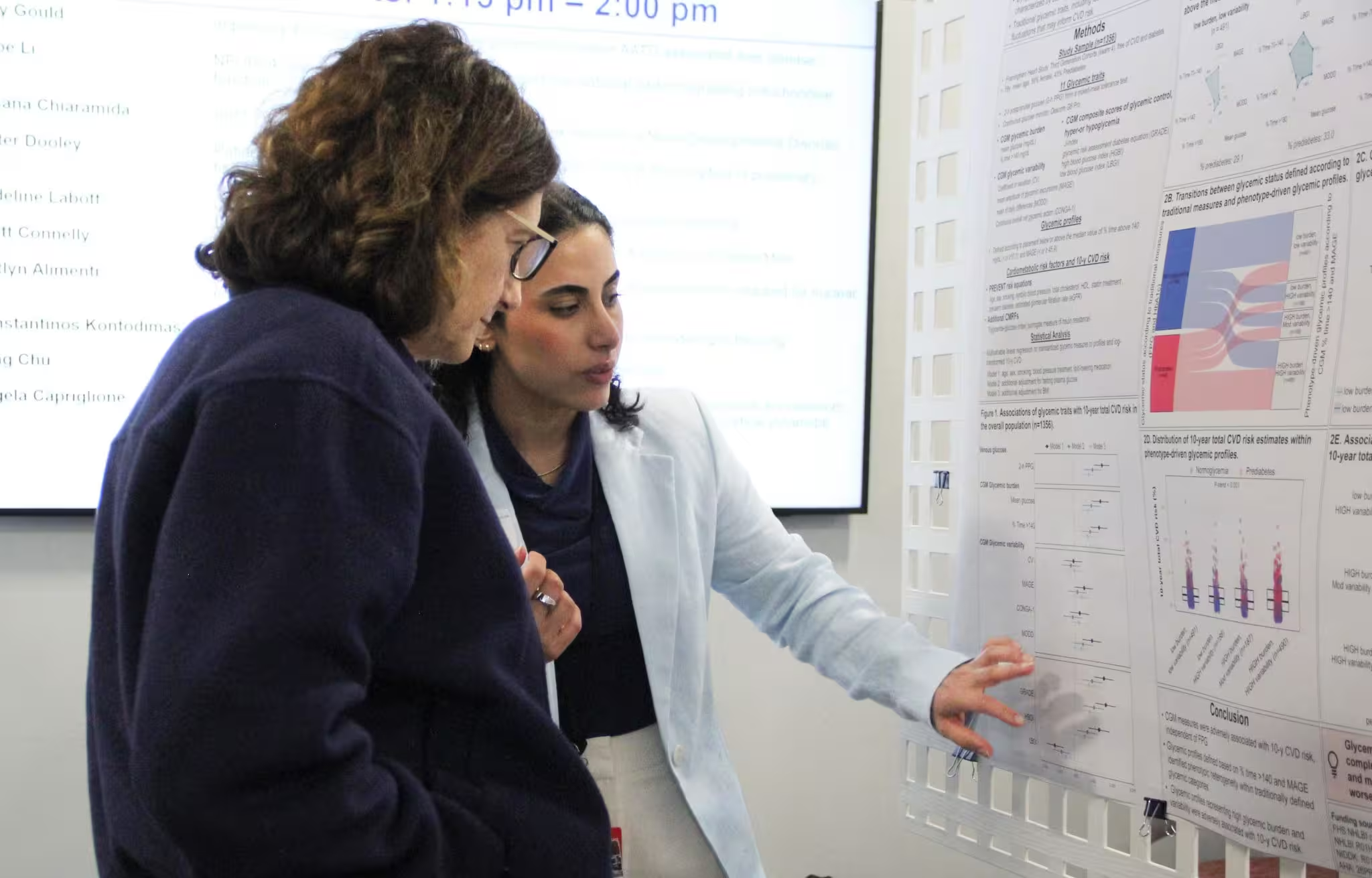
Third-year PhD student Bahar Bakhshi, MS, explains her research on continuous glucose monitoring.
Why this could change how we think about risk

Think of blood sugar as a weather report. A seasonal average tells you the climate. Minute-by-minute readings reveal the storms. CGM gives a more granular weatherfeed for metabolism. Researchers hope that by grouping individuals according to these temporal glucose patterns—an approach called phenotyping—they can identify early or intermittent dysglycemia before it hardens into chronic disease.
Nicole Spartano, PhD, an assistant professor involved in the work, notes that temporal patterns may be pivotal for uncovering early cardiometabolic risk. Lead author Bahar Bakhshi emphasizes that emerging longitudinal studies are beginning to show links between time spent above 140 mg/dL and the later development of type 2 diabetes and other cardiometabolic outcomes. These initial signals suggest that CGM might have a role beyond diabetes care.
Practical questions remain. How should clinicians interpret brief spikes in otherwise normal profiles? What thresholds best predict future disease? And can early lifestyle or medical interventions guided by CGM prevent progression?
Limitations and next steps
The Boston University analysis was cross-sectional, so it cannot say whether the glucose patterns observed will predict future cardiovascular events. Device variability, the short duration of many CGM wear periods, and the cost and accessibility of sensors are additional hurdles. Larger, long-term studies will be needed to connect specific glucose signatures to hard outcomes like heart attack, stroke, or diabetes onset.
Researchers are exploring several directions: longer CGM monitoring in community cohorts, combining glucose metrics with blood pressure, lipids, and inflammatory markers, and testing whether targeted interventions—timed meals, personalized physical activity, or early pharmacotherapy—alter risk trajectories for those identified as having intermittent dysglycemia.
Expert Insight
"We are learning that average numbers can hide meaningful biology," says Dr. Maria Chen, a cardiometabolic epidemiologist not involved in the study. "Continuous records let us see timing and context. That may be the missing piece for identifying people who would benefit from early intervention even though they don’t meet traditional diagnostic thresholds."
Dr. Chen adds a practical note: "Before CGM becomes routine for risk screening, we need clear evidence that changing those detected patterns actually reduces events. The technology is promising, but evidence must guide practice."
Conclusion

The Boston University findings reinforce a simple but consequential idea: blood sugar is more than an average. Moment-to-moment patterns carry information about vascular and metabolic health that routine tests can miss. Continuous glucose monitoring has the potential to refine risk assessment and to reveal new windows for prevention, but longitudinal trials and pragmatic studies are essential before CGM shifts from a diabetes management tool to a broader screening instrument.

“My work centers on sustainability, energy, and environmental science — examining how innovation can lead to a greener future.”

Discussion
Leave a Comment
Comments
No comments yet. Be the first.