
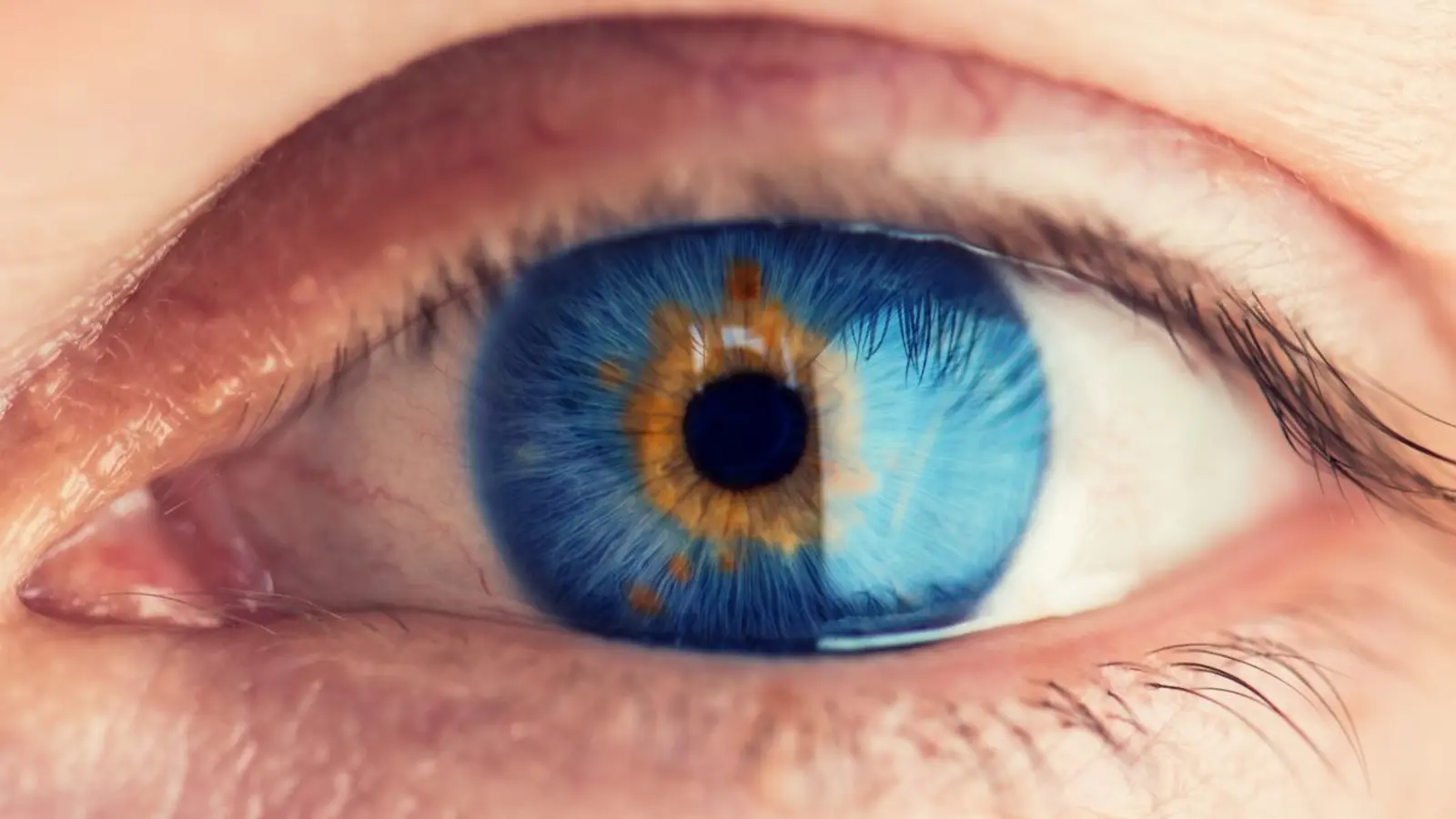
Look into the mirror and the answer is not only in the lines around your mouth. It can be in the back of your eye, where blood vessels and neural tissue carry a record of decades lived. A new study from Seoul National University suggests that a single retinal scan can estimate a person’s biological age with surprising accuracy, and hint at health risks that often hide elsewhere in the body.
A sharper look at aging through the retina
Scientists have been teaching computers to read age from retinal images for several years. The technique, often called the retinal age gap or RAG, compares the age predicted by an image-based model with a person’s actual chronological age. Where the two diverge, there may be a signal: faster biological aging, or damage linked to disease.
In research published in GeroScience, the Seoul National University team expanded that idea by feeding their algorithm a more diverse training set than many earlier projects. They included not just healthy fundus images but also scans that show retinal and optic nerve disease. That mix matters. A model trained on a narrow, healthy-only dataset can miss patterns that, in the real world, matter for risk prediction.
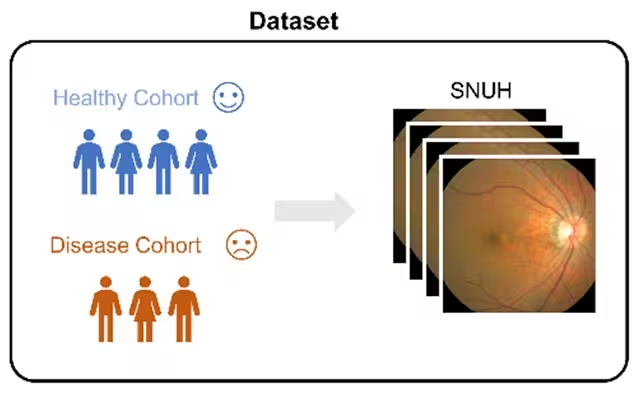
The researchers combined both healthy and diseased eye scans in their training data.
How the model was built and what it can do
Numbers help explain the scale. The team trained their model on 29,530 retinal scans from 7,535 participants, then evaluated it on 14,832 scans from a separate group of 7,416 people. Rather than chase novelty with exotic architectures, they focused on data diversity and a practical twist called multi-task learning: teaching the network to estimate age while simultaneously accounting for sex. That parallel learning can reduce biases that would otherwise skew age estimates between men and women.
Performance in plain terms
- The model’s mean absolute error in predicting chronological age was about 2.5 to 2.7 years. That performance is competitive with earlier retinal-age systems.
- Because the training set contained diseased eyes, the model should be more resilient when applied in clinics where abnormal images are common.

Those are small margins in the context of human aging, but still meaningful when the goal is spotting population-level trends or flagging people who might benefit from further evaluation.
Health clues hidden in the retinal age gap
What does a larger RAG score mean in practice? The researchers report measurable associations between higher retinal age gaps and several health and lifestyle factors. Diabetes, for example, corresponded to an average increase of about 2.5 years in predicted retinal age. Current smokers showed roughly a half-year increase, former smokers around 0.46 years. Common eye conditions were linked too: macular degeneration added about 0.6 years, and cataracts about 1.86 years.
Some caution is warranted. The cataract finding may partly reflect image quality: cloudy lenses can blur fundus photos and make the retina appear older to an algorithm. More broadly, the study did not directly compare retinal age against established biological-aging biomarkers like epigenetic clocks or physiological composite measures. Still, the pattern of associations aligns with what we know about systemic disease accelerating biological aging.
Clinically, the immediate value is pragmatic. In ophthalmology settings where fundus imaging is routine, an automated RAG readout could serve as a low-cost triage signal, prompting systemic follow-up when it flags elevated retinal age. For now, though, the authors recommend use at the group level: tracking trends and testing interventions in cohorts rather than making individualized prognoses.
Expert Insight
"Retinal imaging is a unique window into vascular and neural health, and when coupled with robust training data it becomes a practical biomarker," says Dr. Maya Rodriguez, a clinical epidemiologist specializing in aging. "But the real test is longitudinal validation. We need to know whether changes in a person’s retinal age over time track with interventions such as blood-sugar control, smoking cessation, or cardiovascular risk reduction. Only then can we move from correlation to actionable clinical use."
Conclusion
This Seoul National University study strengthens the case for the retina as a fast, noninvasive indicator of biological aging. By broadening the training set to include diseased eyes and by using multi-task learning, the researchers produced a model with solid predictive accuracy and real-world resilience. The retinal age gap is not yet a standalone diagnostic tool, but it is a promising addition to the growing toolkit of aging biomarkers. Next steps are straightforward: follow people over time, compare retinal age to established measures, and test whether medical or lifestyle changes move the needle. If those studies pay off, a routine eye scan could someday tell you more than how well you see; it could tell you how well you are aging.

“My work centers on sustainability, energy, and environmental science — examining how innovation can lead to a greener future.”

Discussion
Leave a Comment
Comments (1)
Wow, didnt expect the eye to hold that much data. If true, routine checks could double as health scans. Curious but skeptical, ngl