
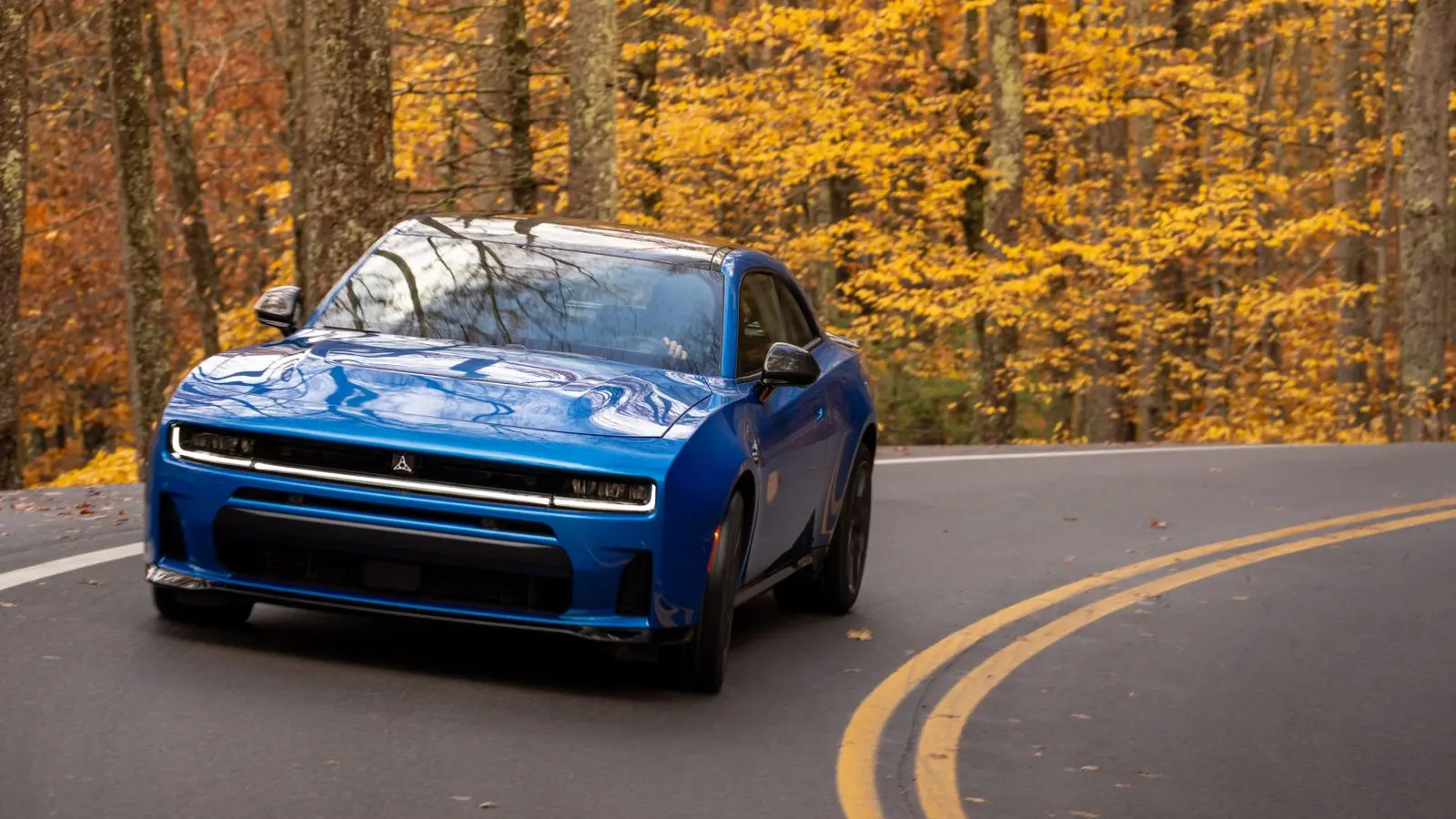
Walk past a Dodge dealer this summer and you might notice something odd: rows of Charger's Daytona nameplates sitting a little too long under the sun. Once a poster child for the muscle-car revival, the Charger Daytona EV has stalled where it mattered most—sales.
Stellantis reported only 534 Charger Daytona EVs sold from January through June 2026. That figure is stark when you remember the same model moved 4,299 units in the first half of 2025. In Q2 alone Dodge shifted just 294 electric muscle cars, an 88% drop versus last year, while buyers flocked to internal-combustion Chargers: 2,911 customers picked the Hurricane twin-turbo inline-six in the quarter, a jump of roughly 404%.
.avif)
Why the old-school engine is suddenly irresistible
It’s tempting to blame the usual suspects—pricing, incentives, EV range anxiety—but the pattern here looks more visceral. Muscles cars have always been about sound, feel and simple, immediate gratification. The new-generation Charger is giving drivers that with the Hurricane powerplant, and consumers are voting with their wallets.
Stellantis overall enjoyed a 6% sales uptick in Q2 across the United States, its fourth straight quarter of growth, with Ram and Chrysler leading the gains. Jeep slipped by about 5%, and Dodge is the brand that paid the price. Stellantis CEO Antonio Filosa had forecast that ICE versions would dominate the new Charger's sales mix—he guessed around 90%—and the market is proving him mostly right, if more decisively than he likely expected.

There’s a practical wrinkle, too. The Charger Daytona R/T EV was quietly pulled from the lineup last year after weak demand, and plans to reintroduce it for 2026 never materialized. The cheapest Challenger-style entry now is the R/T with the Hurricane inline-six, starting at about €45,995, while the most affordable electric Charger, the Daytona Scat Pack, begins at roughly €55,195. Production happens at Stellantis’ Windsor Assembly Plant in Ontario, which exposes exported units to import tariffs and complicates pricing on both sides of the border.

Dealers have tried to move remaining new and leftover 2025 stock with heavy discounts. The lots are not as emptying as anyone hoped. So what's left? Dodge can keep trimming prices and offering incentives. That may slow the bleeding, but it won’t fix the brand’s identity crisis.
There is ultimately one clear path back to relevance for the Charger: embrace HEMI and the mechanical drama buyers clearly still crave.

That’s not a strategy for the faint of heart. It asks the company to accept that, at least for now, the Charger’s DNA still lives in cylinders and exhaust notes rather than in kilowatts and silent glides. For a model that once seemed destined to lead a muscle-to-electric revolution, the market’s verdict is blunt and unmistakable.

“I cover automotive innovation, electric vehicles, and the future of mobility — where technology meets sustainability.”

Discussion
Leave a Comment
Comments (1)
Wait, only 534? That sounds wild. EV Charger flop or just terrible pricing? Dealers slashing prices, nobody buys the quiet car, idk kinda shocking.