
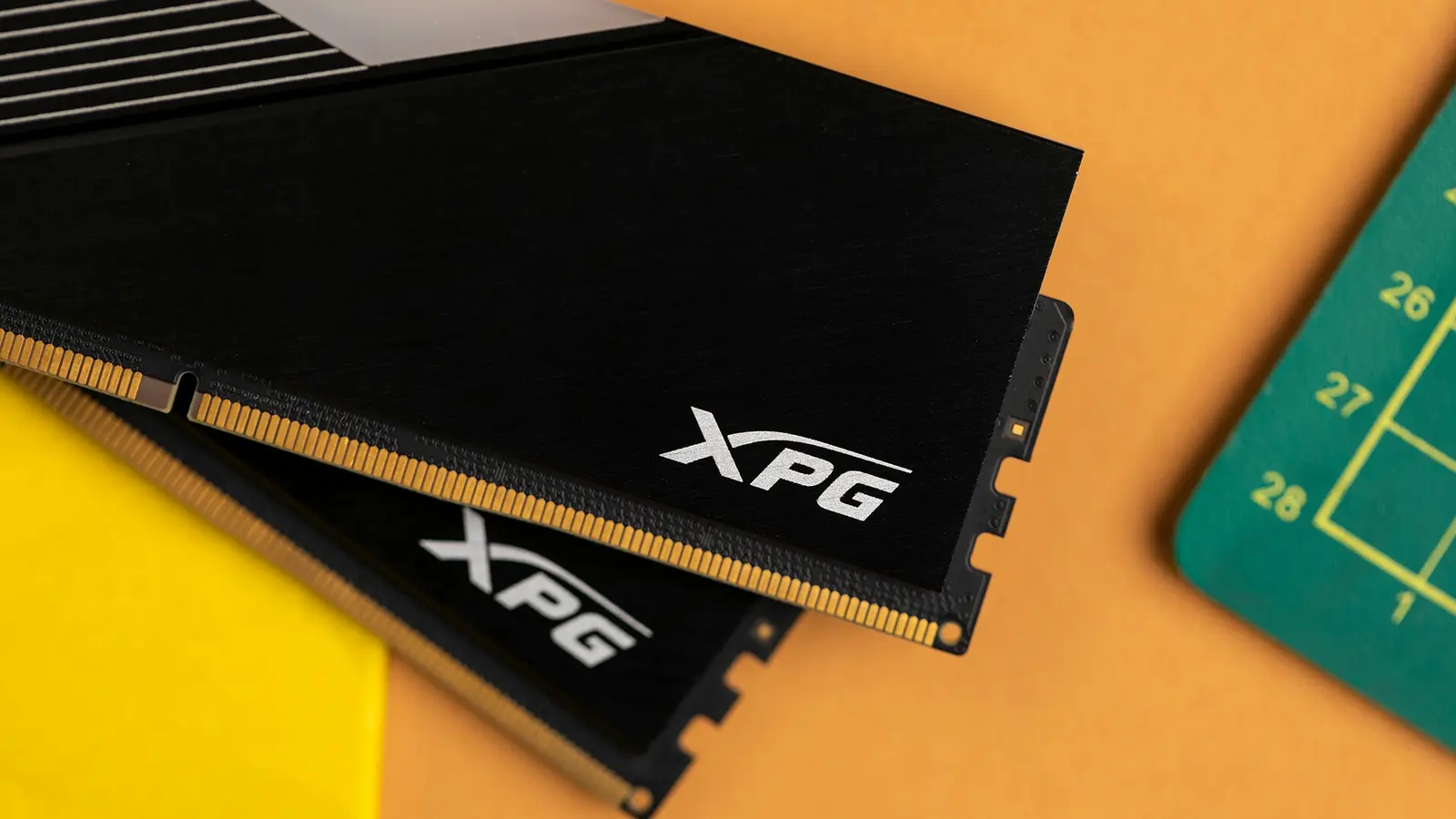
Imagine lining up for the next-gen console only to be told the chips aren’t there. That’s not hyperbole. It’s a fast-moving reality shaping the hardware roadmaps of PlayStation, Xbox and the broader gaming world.
Phison’s CEO Pan Chien Cheng has been blunt: AI demand isn’t slowing, and the memory bottleneck — both DRAM and NAND — could stretch well beyond 2030, perhaps even for a decade. Factories are shifting market dynamics by asking for multi-year prepayments. The result is a seller’s market where buyers have far less leverage and manufacturers are forced to lock-in supply years ahead.
Gamers feel it first. Prices for PC parts and storage have climbed dramatically. Consoles rely on the same memory stack that powers data centers and AI servers. When capacity tightens, it’s not just high-end rigs that suffer; mainstream hardware becomes pricier and harder to source. Supply constraints cascade down the chain and into living rooms everywhere.

Some analysts once expected a market correction by 2028, when supply and demand might rebalance. Those hopes are dimming. Internal estimates inside wafer fabs now suggest shortages could linger through 2030 — or longer — if current demand trajectories hold. That’s bad news for console makers planning component procurement on two- or three-year cycles.
Manufacturers are already bracing for shakeouts. Cheng warned that many electronics firms could face bankruptcy or be forced to suspend operations within a year or two as costs spiral and supply terms harden. Expanding production lines helps, but capacity growth is slow and expensive; new fabs take years to reach full yield and often favor the highest-margin customers first.
There is one glimmer: major Chinese memory makers like CXMT have sizable production potential and could alleviate pressure over time. But global market entry and the logistics of scaling to meet worldwide demand won’t be instant. Regulatory, contractual and yield hurdles mean their impact will be measured in years, not months.
What does this mean for console cycles? Manufacturers might delay launches, alter SKUs to use more available memory configurations, or prioritize premium models where margins justify premium procurement. For developers and players, the consequences could include higher prices for games and hardware, longer waits for new units, and a shift in the competitive landscape where supply, not design, drives who wins the next generation.
Ultimately, the memory crisis is not just a chip shortage headline. It’s a strategic pressure test on supply chains and product planning across the gaming industry. The choices companies make now — from locking down wafers years in advance to partnering with alternative suppliers — will shape which consoles make it to market on time, and which ones become a rare commodity.

“I love exploring gadgets, apps, and trends that redefine how we connect, work, and play in a digital world.”

Discussion
Leave a Comment
Comments
No comments yet. Be the first.