
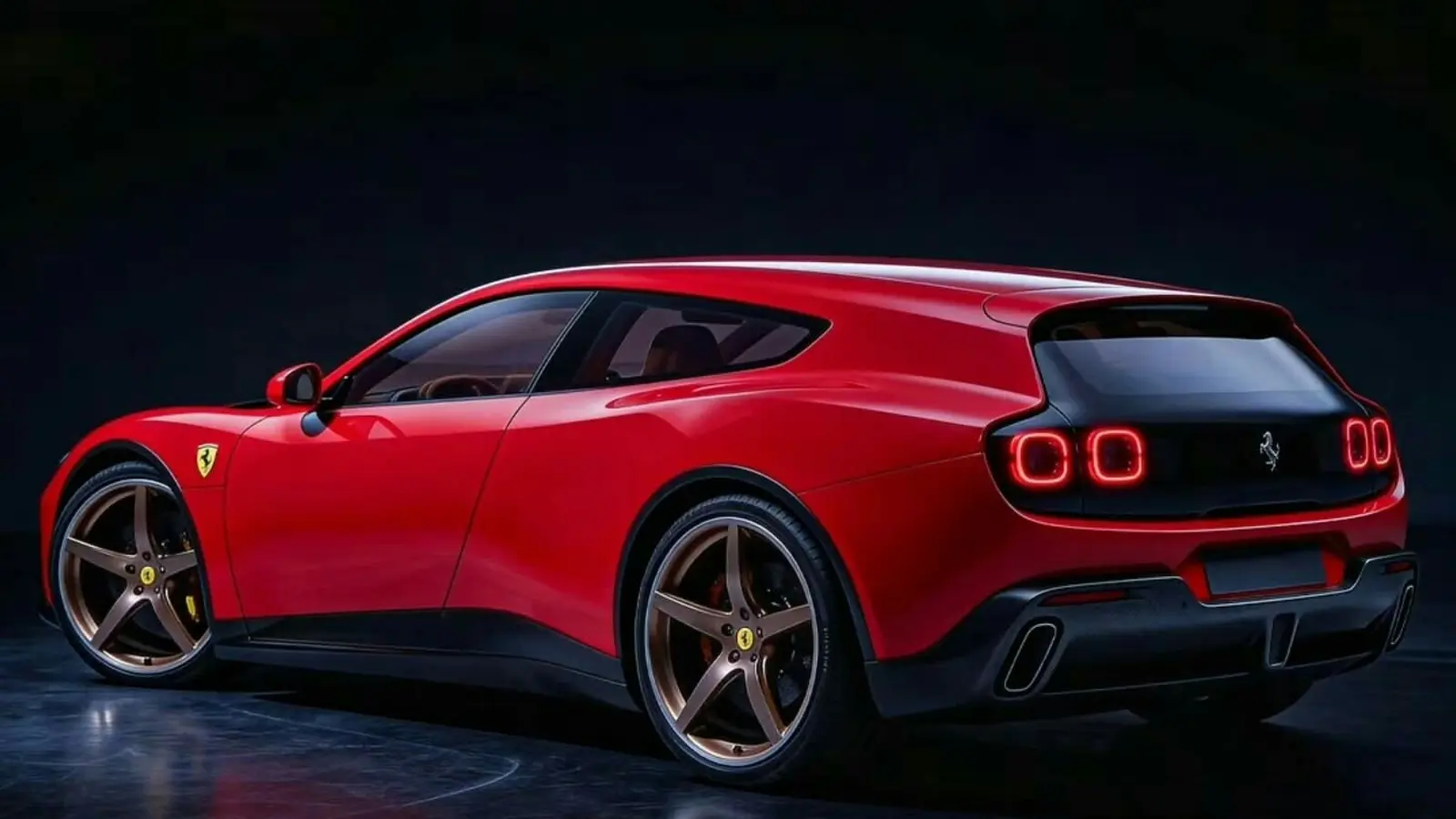
Imagine a Ferrari that refuses the expected. Not a poster-perfect supercar, but a stubborn idea rendered in digital clay—awkward, bold, oddly persuasive. That’s the conversation swirling around the Ferrari Luce, a concept that has divided opinions and inspired a small army of virtual designers to poke, prod, and reinvent it.
Modena is a small city with a loud imagination. One of its voices belongs to Luca Serafini, known online as lsdesignsrl. He’s not sketching for the factory. He’s playing with possibility—three distinct takes on the Luce that push the concept into unfamiliar territory. Think of them less as redesigns and more as thought experiments: what a car says when it sheds the weight of brand expectations.
Modena’s pixel sculptor rethinks a legend
First, Serafini softened the edges and expanded the cabin, translating the Luce into a five-seat EV with echoes of the 2008 Pininfarina Sintesi. Spacious, almost pragmatic. It reads like a Ferrari that wants to be useful.
Then he asked a cheeky question: what if Luce wasn’t a hyper-exclusive halo car but the rebirth of the Fiat Coupe? The result felt like automotive pop culture—an iPhone for the road—futuristic but democratic. Design as manifesto, not museum piece.
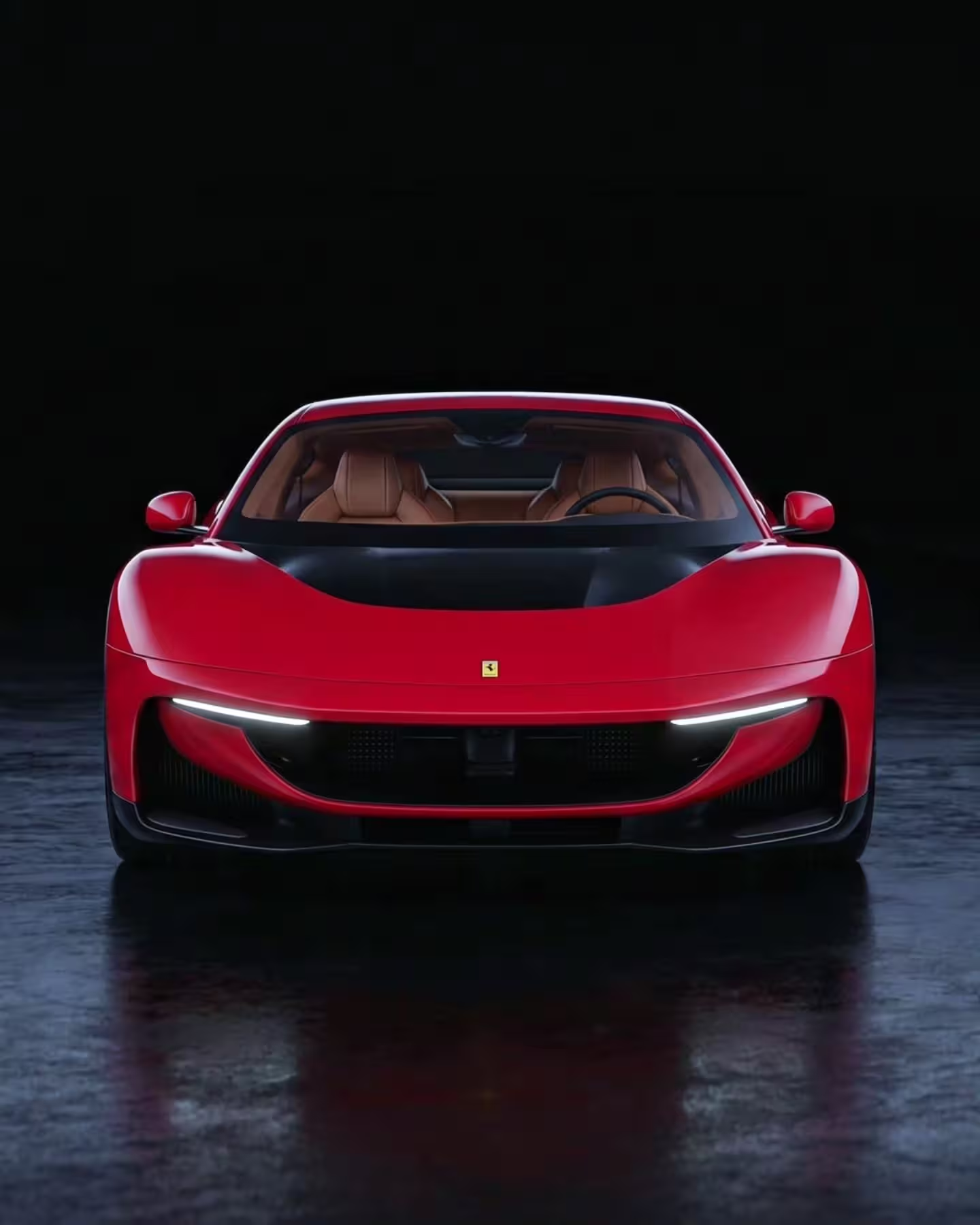
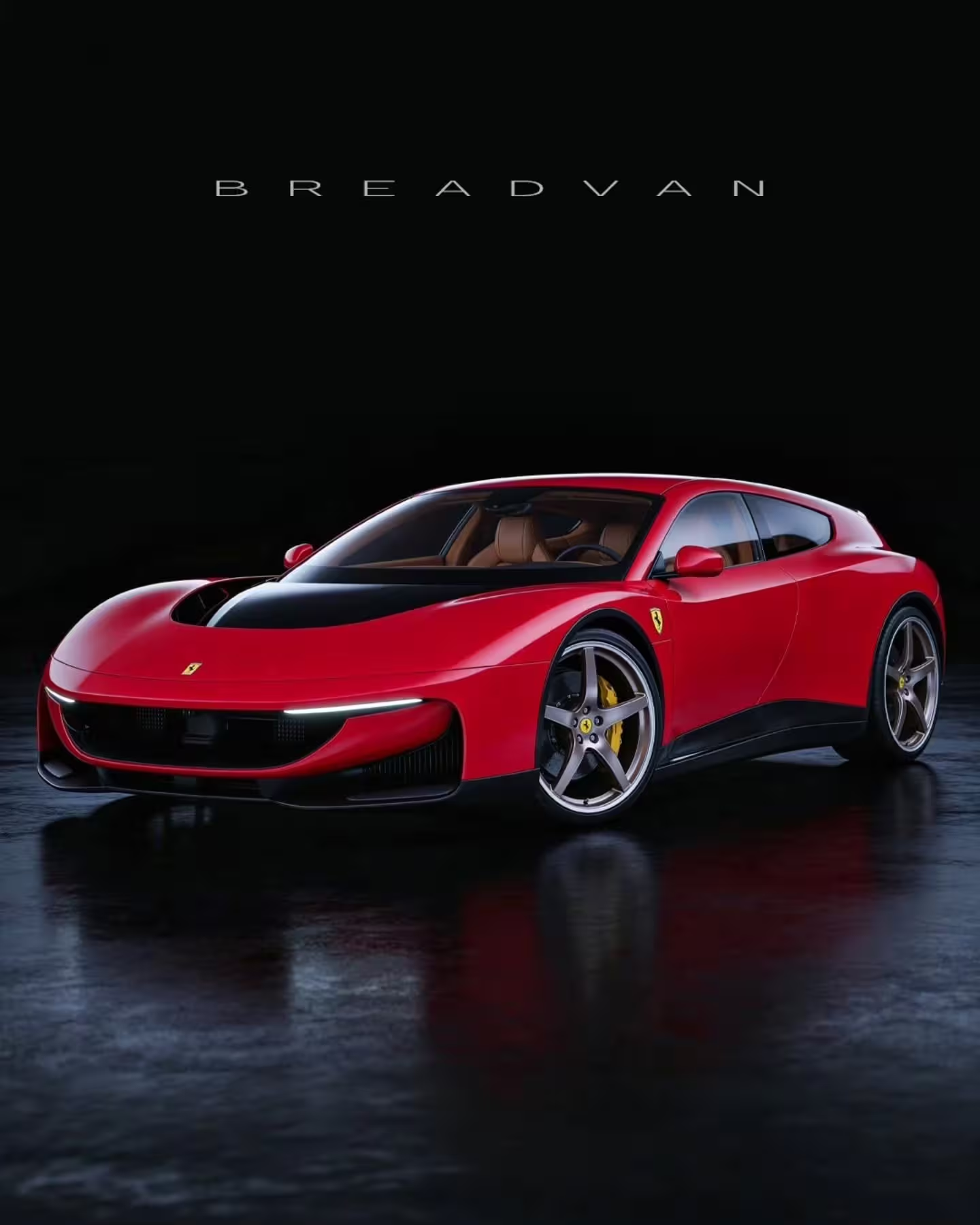
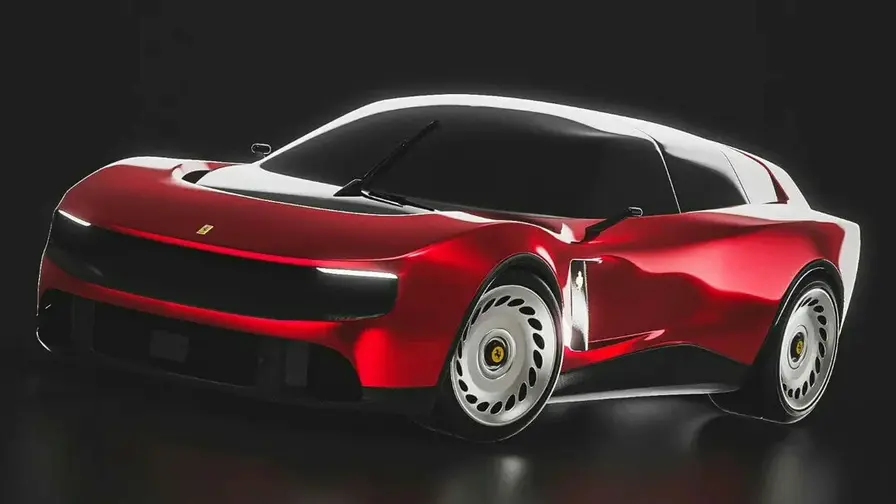
And then came the one that fastened everyone’s attention: the Breadvan reimagining. Serafini reached back to the 1962 Ferrari 250 GT SWB Breadvan, that iconic shooting brake born from a brilliant act of racing opportunism, and rewired it for the digital generation. The virtual Luce Breadvan blends an aerodynamic silhouette with roomy practicality, high-tech connectivity and recycled materials—a paradox of heritage and sustainable flair.
Why does this matter? Because designs like these expose how flexible a narrative can be. A concept car is usually a statement from the factory. But when creative tinkerers take over, the statement fractures into possibilities. Which of those possibilities stick? That’s the fun part.
Meanwhile, the industry keeps shifting. Audi’s recent Nuvolari, for example, surprised many by swapping a pure-electric promise for a twin-turbo V8 hybrid layout and a limited run of 499 units. It’s a reminder that brands are experimenting with platform mixes and retro-modern cues at the same time creatives are remixing imagery online. Serafini’s Luce projects are part of that ecosystem: they don’t threaten production decisions, but they do influence conversations.
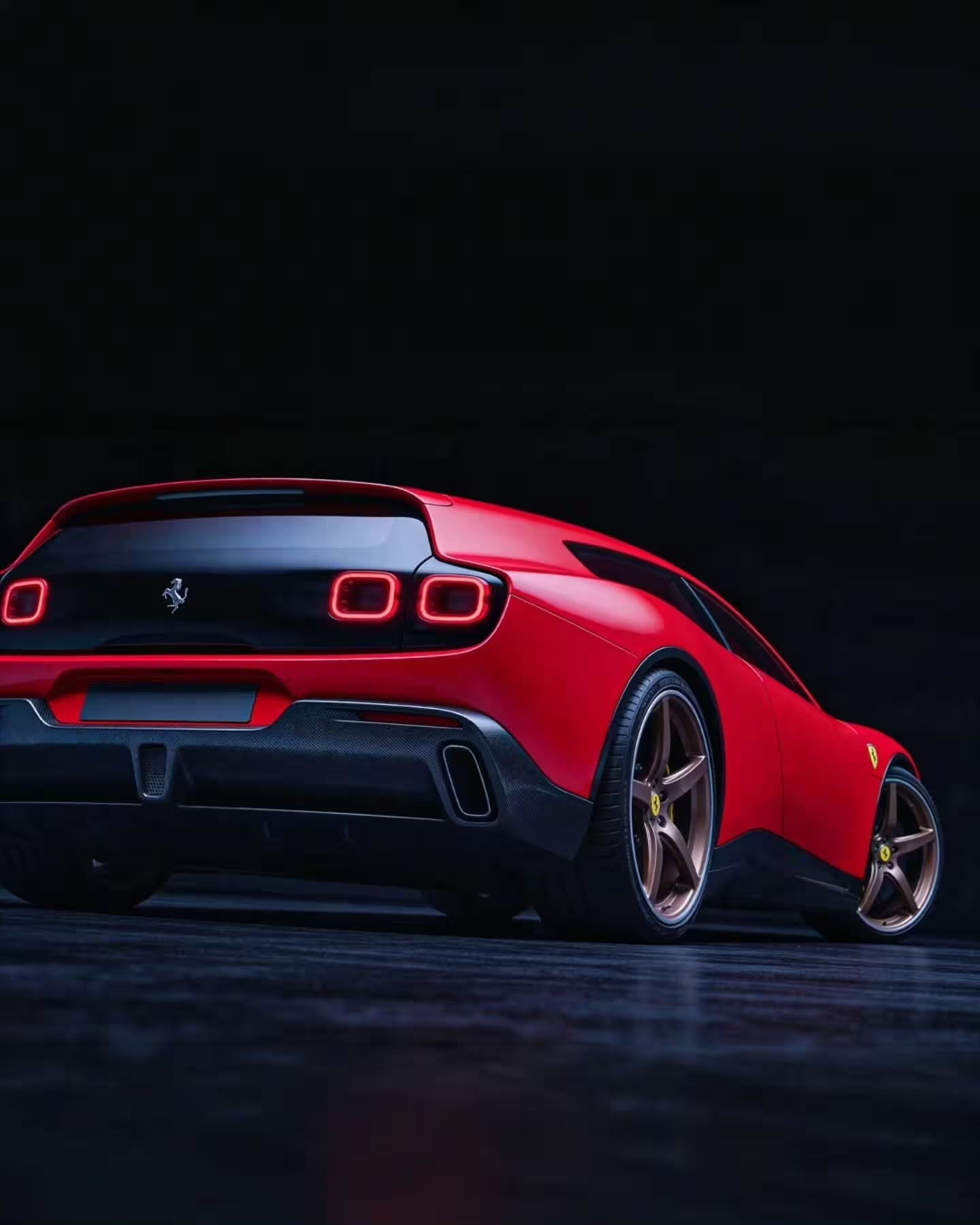
Not everyone will love these digital detours. Taste is stubborn. But there’s value in provocation. A quirky rework can highlight overlooked strengths, expose design missteps, or simply inspire a clever compromise that a studio might one day adopt.
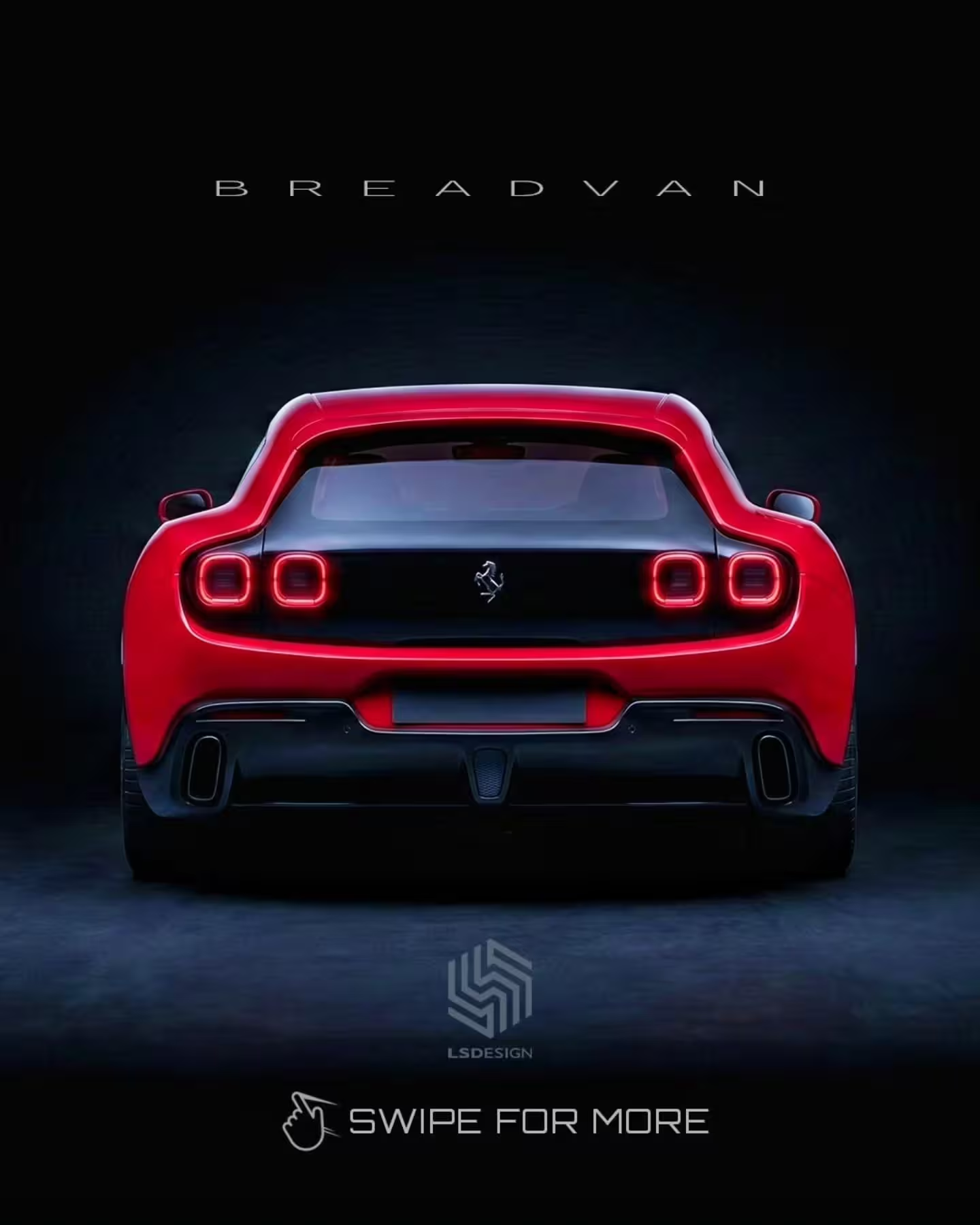
At the end of the day, the Luce Breadvan is a mirror. It asks: what if automotive heritage met contemporary utility and digital craft? The answer is messy, vibrant, and very human—exactly what you’d expect when designers stop being polite and start imagining out loud.

“Cars are evolving faster than ever. I cover electric vehicles, smart mobility, and the future of transportation worldwide.”

Discussion
Leave a Comment
Comments (2)
Interesting but is this just photoshop hype? The Breadvan remix prompts real questions about usability, brand dna and sustainability. idk if studios will bite.
Wow that Breadvan Luce is a beautiful mess, heritage vibes mixed with recycled tech. I wanna see it in real life, even if it's kinda awkward... brilliant, weird.