
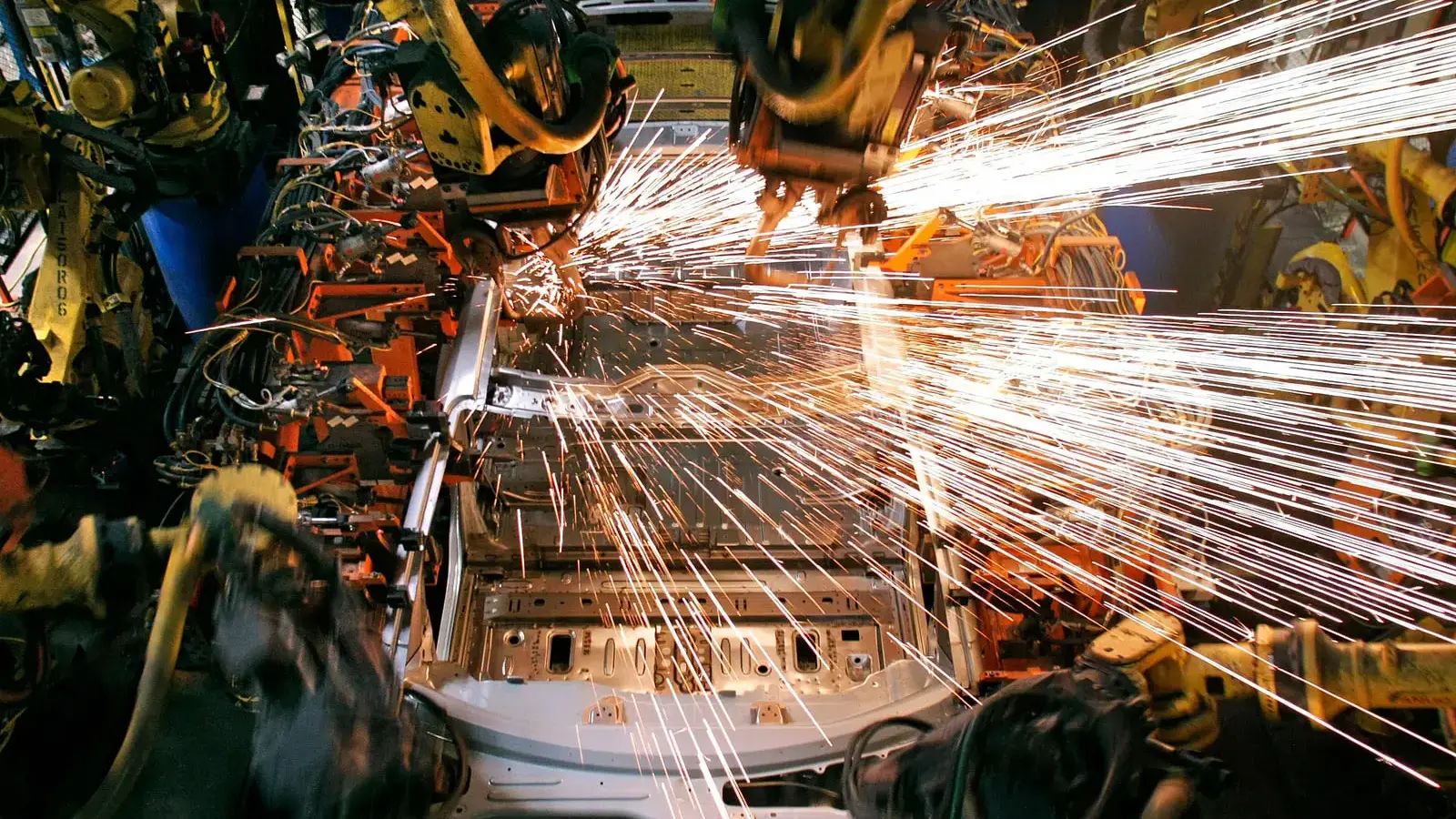
General Motors told investors and the press that it plans to cut vehicle development time in half using artificial intelligence, replace many distributed electronic modules with a single liquid-cooled central computer up to 40 times more powerful, and introduce a new lithium manganese-rich battery chemistry called LMR. The company also repeated its claim that hands-free, eyes-off highway driving will move beyond a single flag-ship model to a broader range of electric and gasoline vehicles.
GM framed these announcements as part of a wider shift from a traditional automaker to a software- and AI-driven technology company, using the scale of its mixed fleet to accelerate change. Those are ambitious goals, and GM attributed the expected gains to two main shifts: a virtualized, digitally integrated development process and a consolidated vehicle electronics architecture.
Virtual development, LMR cells and a shorter cycle
GM said years of four- to five-year product cycles have been a drag compared with rapid consumer-tech development. To close that gap it is adopting what it calls digital thread virtualization, where design, engineering and manufacturing work together digitally from day one instead of handing work off in slow, sequential stages. The automaker claims that approach will reduce the development cycle to roughly two years.
GM pointed to its recent battery program as an example. Before building a single physical prototype, engineers ran more than 300,000 virtual battery designs and settled on a lithium manganese-rich chemistry, or LMR. GM says the virtual process allowed its battery team to move from initial concept to formal validation in one month. The company says LMR cells will be the core of its fourth-generation EV platform, offering 33 percent more energy density than lithium iron phosphate cells at similar cost and roughly 20 percent better efficiency per kilowatt hour, according to GM.
Production of the LMR cells will be handled by Ultium Cells, the joint venture between GM and LG Energy Solution operating at the Spring Hill, Tennessee plant.

GM also described the entire propulsion system as an integrated unit. The new drive units are said to use about 40 percent fewer internal parts than today’s hardware, which GM says should reduce weight and free up packaging space for passengers and cargo.
One central computer and broader access to advanced driving
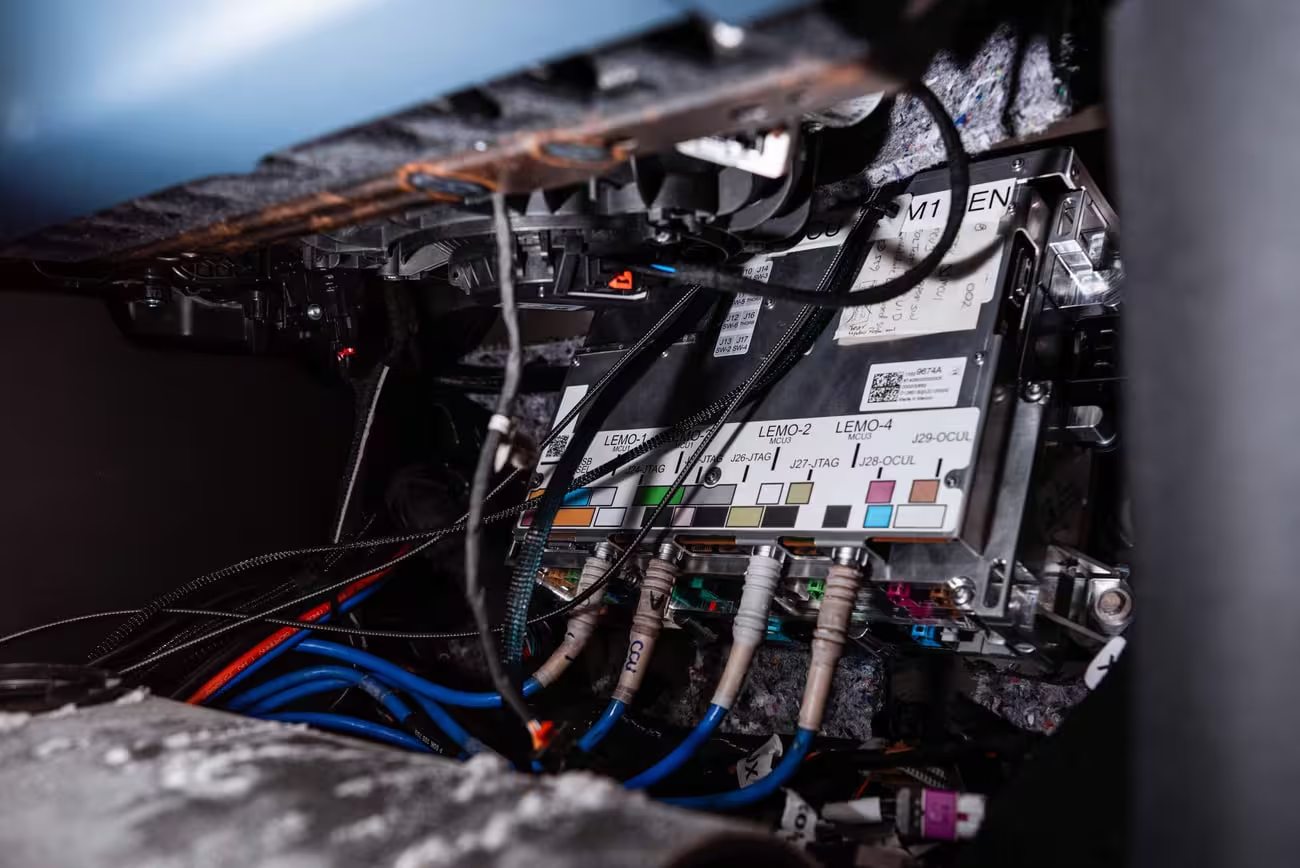
To simplify a tangled electronics architecture, GM will move away from dozens of small electronic control units and heavy wiring harnesses toward a single central computer that is liquid-cooled and connected by high-speed networks across the vehicle. GM claims the new computer will offer 40 times the processing power of current hardware while cutting physical wiring by about 30 percent.
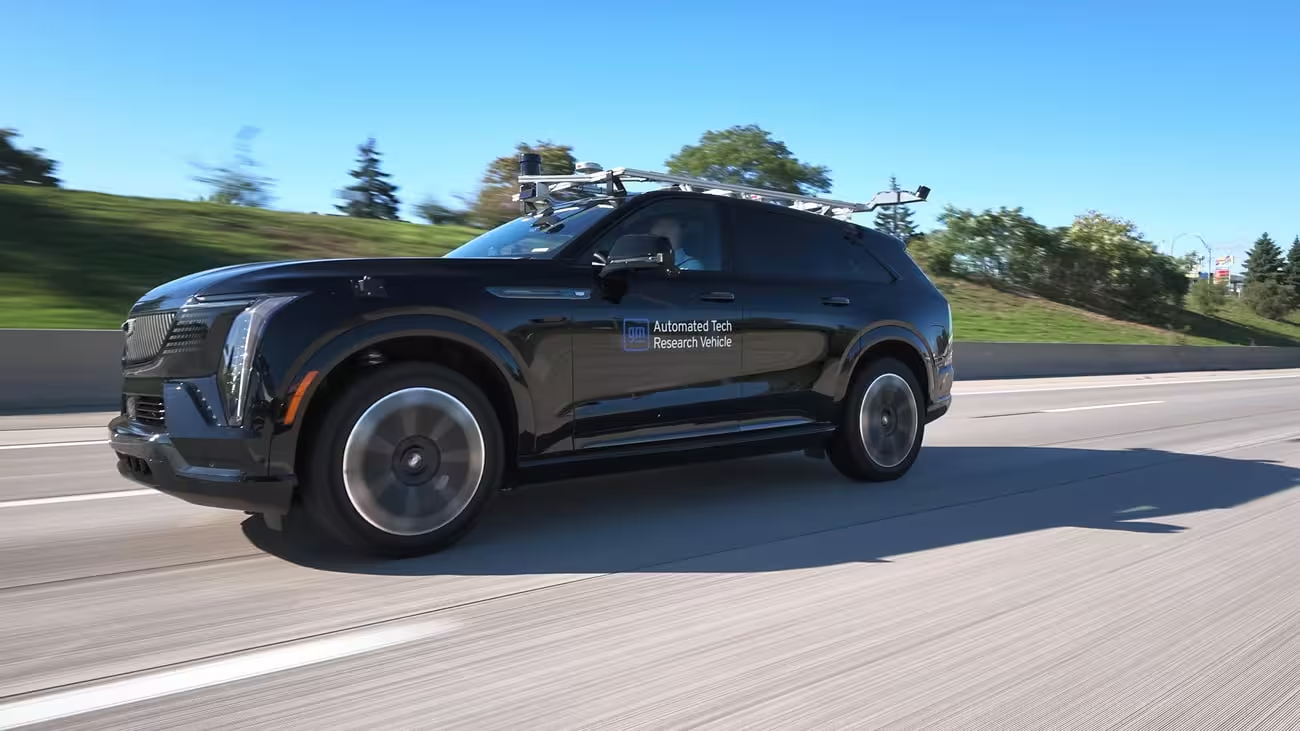
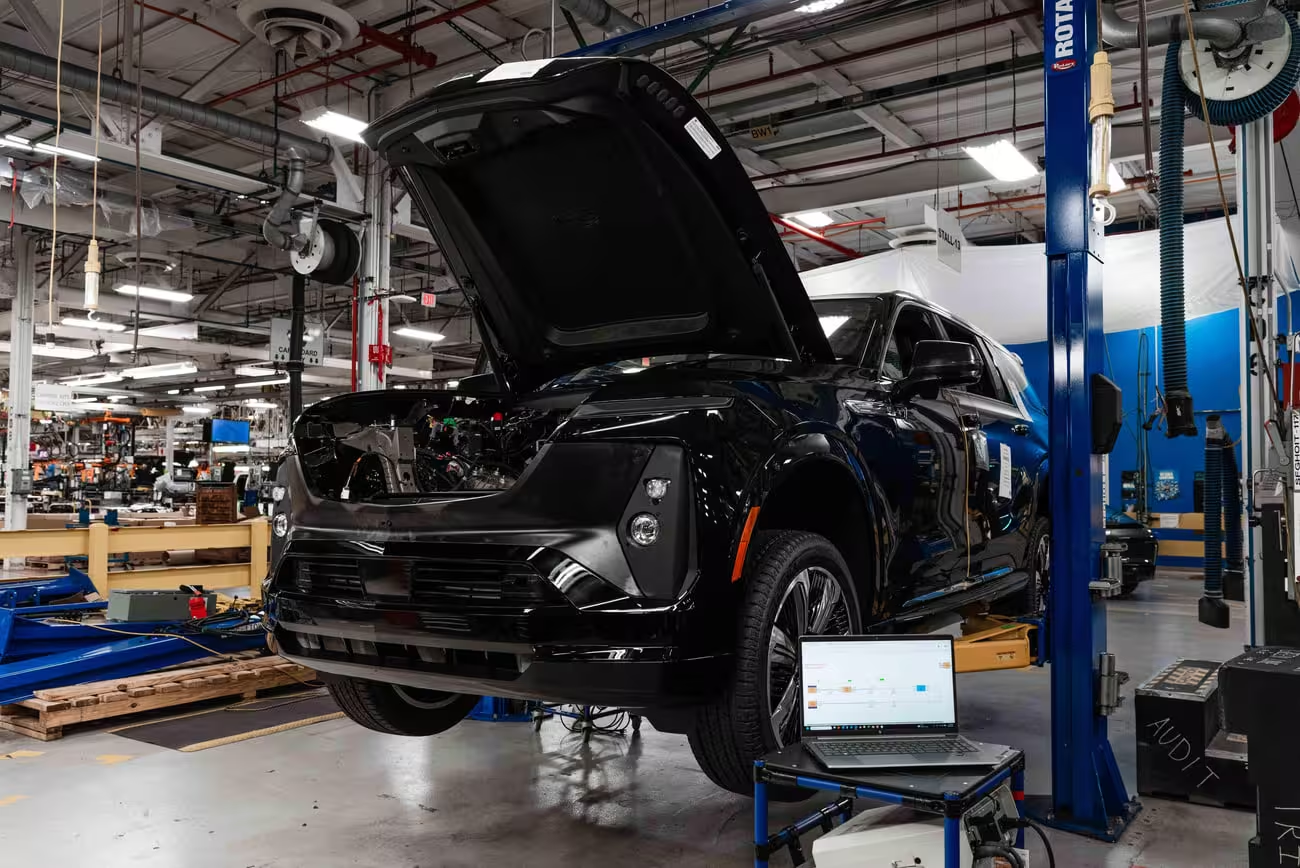
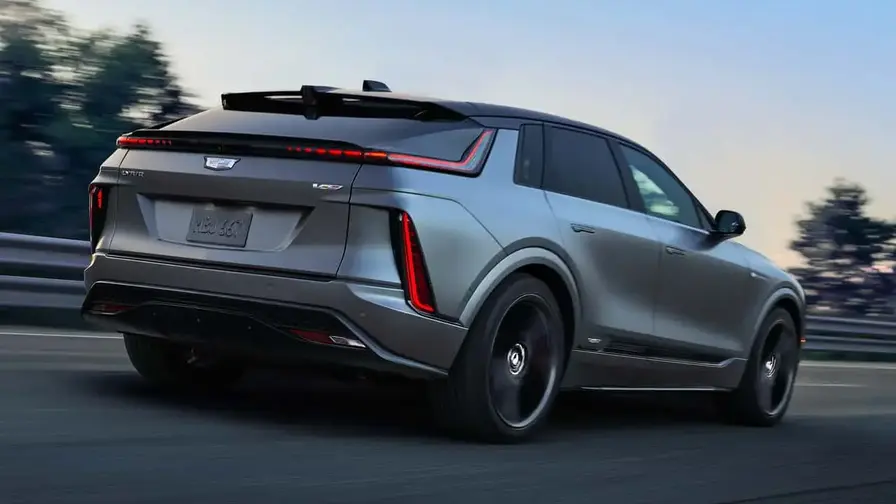
That extra processing headroom, GM said, should show up as smoother displays, more capable voice assistants and less disruptive over-the-air updates for automated driving and battery management features. The company expects the upgraded compute platform to enter mass production in 2028, starting with the Cadillac Escalade IQ, the previously announced model slated to be the first to offer hands-free, eyes-off highway driving. GM confirmed it plans to expand that capability to a wider set of models, both electric and gasoline powered, rather than confine it to a roughly $120,000 luxury SUV.
GM acknowledged that execution will be critical. The company has long talked about software transformation and has faced setbacks along the way. For now, GM’s nearest production milestone is the central compute platform scheduled for 2028 with the Cadillac Escalade IQ.

“I cover automotive innovation, electric vehicles, and the future of mobility — where technology meets sustainability.”

Discussion
Leave a Comment
Comments (2)
Bold plan, but feels a bit overhyped. Central liquid-cooled brain sounds cool, but who handles failures? OTA botches, heat, repairs... skeptical but curious.
Is GM for real here? 40x compute, LMR in one month of sims... sounds rushed, where's the catch?