

It began with a chart on a clinic wall. A steady climb. Younger patients. A pattern doctors did not expect to see so clearly so soon.
Shifting patterns in early onset cancers
An international analysis led by the World Cancer Research Fund has flagged a worrying trend: the incidence of several cancers is growing faster in people under 50 than in older age groups. By comparing national cancer registry records from the United Kingdom, the United States and the Netherlands, researchers identified significant increases in a number of tumour types that traditionally were more common in later life.
Numbers make the change stark. In the UK, prostate cancer incidence in men under 50 rose from roughly 1 case per 100,000 in 2001 to 3.6 per 100,000 in 2023, more than a threefold increase. Early onset colorectal cancer climbed from 3.9 to 8.4 per 100,000 in the same period. Rates of uterine and kidney cancers in under 50s more than doubled, reaching about 3.9 and 3 per 100,000 respectively. Breast cancer showed a modest rise, from 42 to 47.5 per 100,000, while pancreas and liver cancers also trended upward among younger adults.
Across the Atlantic, US data from 2000 to 2023 indicate kidney cancer in under 50s more than doubled. Colorectal, uterine and pancreatic cancers exceeded a 50 percent rise, and breast cancer increased by about 20 percent. Dutch registries recorded meaningful increases in colorectal, kidney, liver and cervical cancers among younger people.
Not every cancer is following this path. Lung cancer rates in young adults declined across all three countries, a trend consistent with reduced smoking prevalence. That decline offers a useful counterpoint: prevention efforts can work.

What might be driving the rise
Correlation is not cause. Still, investigators point to a familiar cluster of suspects. Rising obesity rates. Shifts in diet. Lower physical activity. Alcohol use. Ongoing exposure to environmental pollutants, chemicals and microplastics. These are known risk factors that, alone or in combination, could be nudging population risk profiles.
Modifiable risks and detection
- About 40 percent of cancers are estimated to be linked to modifiable risks, meaning lifestyle and environment changes could reduce incidence.
- Improved awareness and diagnostic practices are also at play. More people seek medical advice earlier, and screening and imaging have become more sensitive. That can inflate rates without a true underlying rise.
But improved detection cannot explain everything. As Dr Vanessa Gordon-Dsego, one of WCRF's programme directors, explained, lifestyle-related factors probably contribute substantially, and the pace of increase in some cancers cannot be fully accounted for by diagnosis alone.
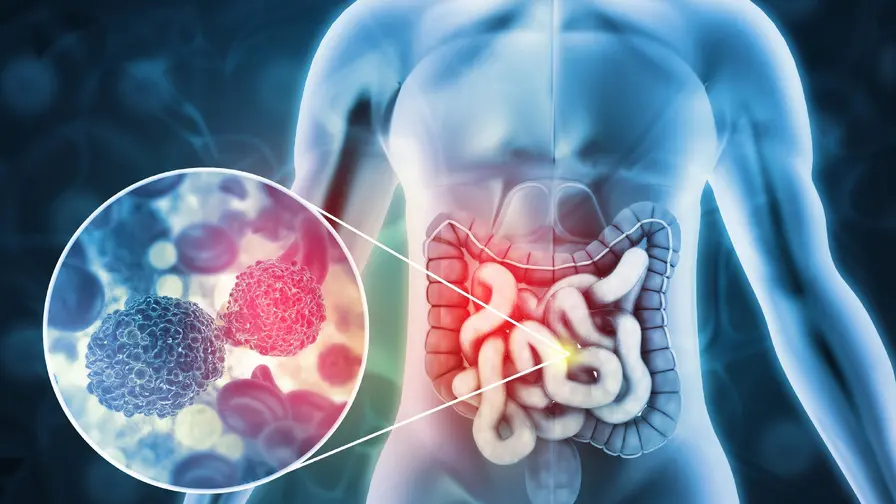
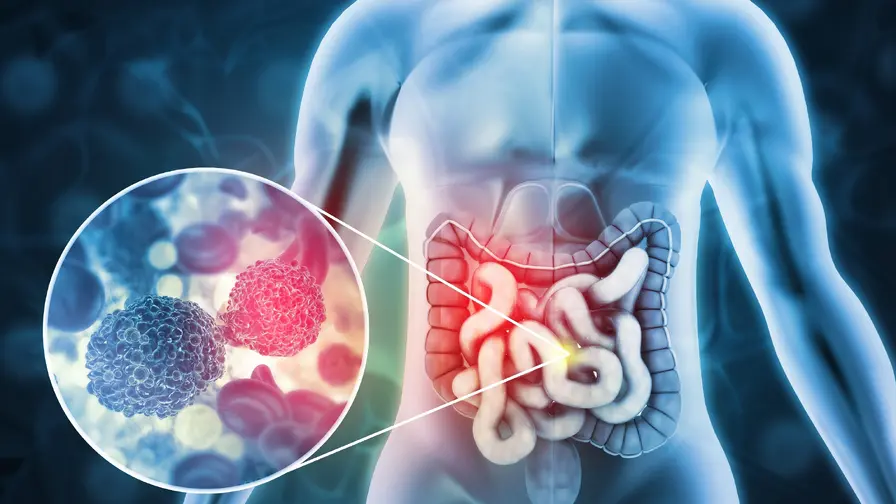
Mark Lawler, professor of oncology at Queen's University Belfast, used a stark image when describing the trend: a ticking time bomb that demands rapid action. The metaphor captures a pragmatic fear among researchers. Small percentage increases, when viewed across large populations and decades, translate into thousands more lives affected at unexpectedly young ages.
Scientific context and wider implications
Why should a shift in age distribution matter to clinicians, policy makers and the public? Several reasons. First, cancers in younger patients often present differently and may be diagnosed at later stages because they are unexpected. Second, a diagnosis in one’s 30s or 40s disrupts careers, family plans and long term finances. Third, the biology of tumours in younger people may be distinct, with implications for treatment strategies and research priorities.
From a research perspective, the findings call for deeper investigation into early life exposures. Are prenatal and childhood diets, sedentary behaviours, or cumulative chemical exposures shaping cancer risk decades later? Longitudinal cohort studies and molecular research will be necessary to separate signal from noise.
From a public health view, the message is actionable. Policies that reduce obesity, limit exposure to known environmental carcinogens, promote physical activity, and expand vaccination and screening where appropriate are plausible levers to blunt the trend. But measures must be tailored and proportional. Blanket assumptions risk misallocating resources.
Expert Insight
Dr Elena Morales, an epidemiologist who studies population health, commented: 'We are seeing a complex puzzle. Lifestyle, environment and healthcare access all intersect. The urgent priority is to identify which exposures are most influential at younger ages. That will let us target prevention better, not just treat more disease.' Her advice for clinicians is practical. 'When younger patients present persistent or unusual symptoms, think cancer as part of the differential diagnosis rather than dismissing age alone.'
Conclusion
The rise in certain cancers among adults under 50 is real and concerning, yet nuanced. Some of the increase reflects better detection. Some likely reflects genuine shifts in exposure and behaviour across generations. The upshot is clear: prevention, early recognition and research into age-specific causes must become higher priorities. Action now could change the trajectory for future generations.
The numbers are a call to attention not panic. Get informed. Support evidence based prevention. And listen to your body.

“My work centers on sustainability, energy, and environmental science — examining how innovation can lead to a greener future.”

Discussion
Leave a Comment
Comments (1)
wow this is chilling. i'm 34 and kinda paranoid seing those numbers. prevention, policies and early checks needed, not panic but action pls