
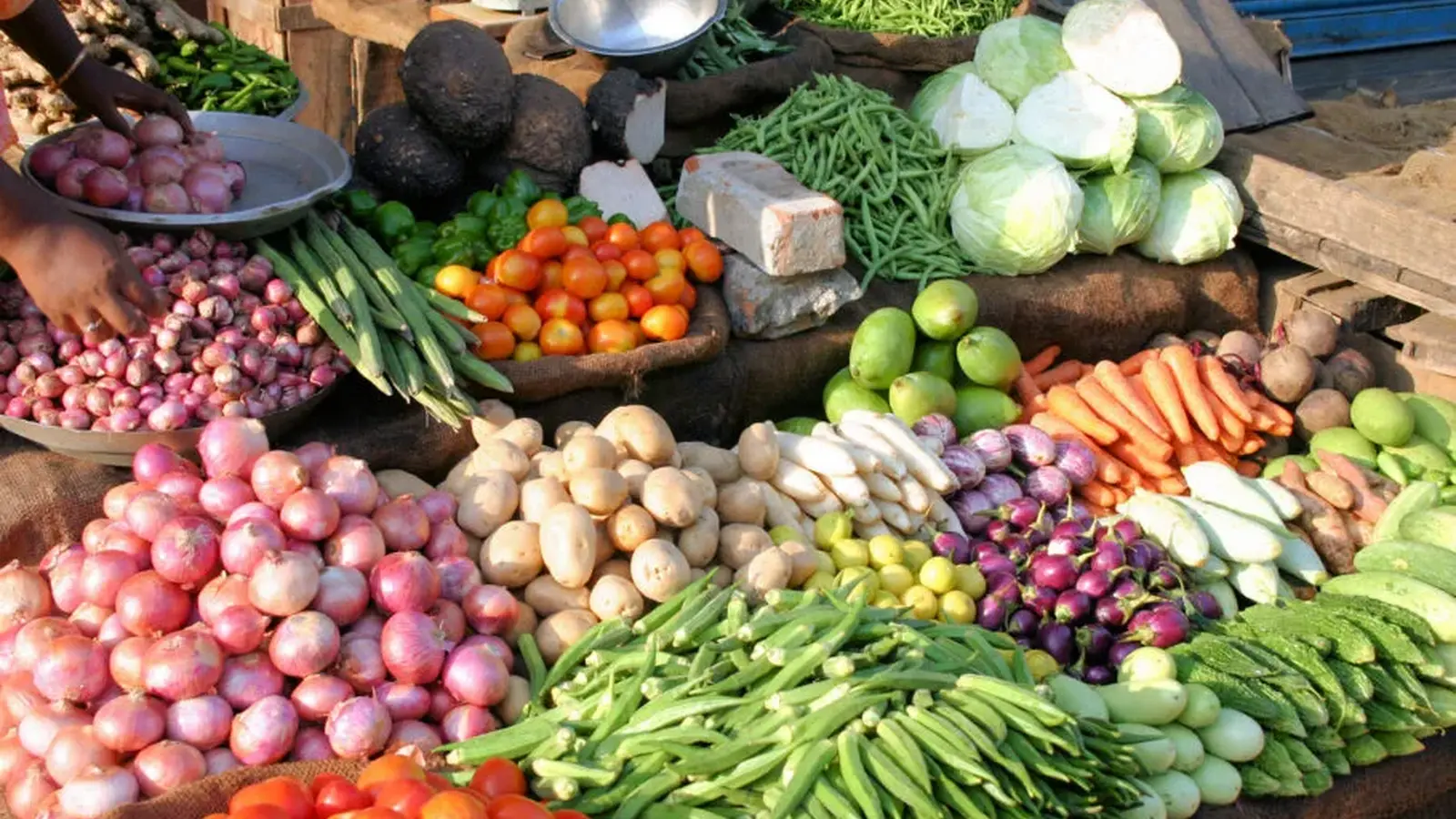
Walk into any grocery aisle and a quiet arithmetic is unfolding: to get the same minerals people ate in 1960 you may now need to eat twice as much wheat or more slices of wholegrain bread. That is the blunt finding unearthed by recent analyses of long-term crop data and soil health studies.
What the data reveal
Researchers at Deep Science Ventures compared historical nutrient concentrations in common crops with modern samples and found marked declines. Wheat, apples, carrots and chickpeas have lost between 20 and 50 percent of several key micronutrients such as potassium, magnesium and copper. For some nutrients and crops the change is dramatic: the same weight of wheat today can contain only half the mineral content it held six decades ago.
That drop did not happen in a vacuum. Since 1960 cereal yields per hectare have risen by roughly 215 percent thanks to intensive breeding, fertiliser use and mechanised farming. Higher yields kept calories abundant, but nutrient density does not automatically follow volume. Decades of breeding for productivity, short rotations and degraded soil biology appear to have diluted the concentration of micronutrients in edible tissues.
At a population level the consequences matter. Global public-health studies estimate more than two billion people still face at least one clinically significant micronutrient deficiency. That includes pockets of deficiency even in high-calorie Western diets, where caloric intake is high but intake of minerals like selenium and folate remains insufficient. For example, whole grains and Brazil nuts are known selenium sources, yet selenium concentrations in wheat have fallen enough that a woman now needs roughly four slices of wholegrain bread to reach a third of the recommended daily selenium intake.

Risks beyond the plate
Micronutrient shortfalls have measurable health effects. Low selenium can blunt immune responses and is associated with greater cardiovascular risk. Zinc shortages impair skin integrity, hair health and immune function. Iron deficiency causes fatigue and diminished cognitive performance. A sustained shortfall of potassium has been linked in meta-analyses to an increased stroke risk—estimates suggest up to a 21 percent higher risk in populations with low potassium intake.
Those health burdens ripple into economic costs. In the United Kingdom, for example, the annual cost of stroke care and lost productivity is on the order of thirty point four billion euros. The strain lands disproportionately on households and public health systems already stretched by ageing populations and chronic disease.

New social trends may amplify the problem. Appetite-suppressing GLP-1 drugs—branded treatments that reduce food intake and promote weight loss—are becoming more widely prescribed. If people eat less overall, and if what they eat contains fewer nutrients per bite, micronutrient shortfalls could intensify unless diets are adjusted or foods fortified.
Paths to recovery
Fixing this is neither quick nor singular. Scientists point to three complementary strategies: restore soil health, breed crops for nutrient density, and strengthen policy and market incentives to reward nutrient-rich produce.
- Soil regeneration: Practices that rebuild organic matter and microbial diversity—cover crops, reduced tillage, diverse rotations and targeted mineral replenishment—can increase plants' ability to access and accumulate micronutrients.
- Breeding and selection: Historically, plant breeding emphasised yield and pest resistance. New programmes aim to reintroduce nutrient concentration as an explicit trait, selecting varieties that deliver more zinc, iron and other micronutrients per calorie.
- Policy levers: Food-labelling, public procurement standards and targeted fortification can help redirect consumer demand and make nutrient-rich choices more accessible and affordable.
These solutions have trade-offs. Higher nutrient density must align with yield, climate resilience and farmer livelihoods. Integrative approaches that marry agronomy, genetics and economics are necessary if improvements are to be sustained at scale.
Expert Insight
"This is a systems problem, not simply a lab result," says Dr. Emily Carter, a soil ecologist at the University of Leeds. "You can breed a wheat variety rich in zinc, but if the soil lacks bioavailable zinc or the farming system strips organic matter, that trait cannot be fully expressed. We need to rebuild the living soil while directing research toward nutrient-dense crops and policies that reward those outcomes."
Conclusion

The takeaway is simple and unsettling: more food does not always mean better food. Modern agriculture delivered calories at scale, but nutrient dilution and soil decline have left gaps that affect health and economies worldwide. Addressing them means shifting priorities across the food system—starting from the ground up, through plant science, and into the policies that shape what we grow and buy.

“The cosmos has always fascinated me. I write about space missions, astronomy, and the technologies pushing humanity beyond Earth.”

Discussion
Leave a Comment
Comments (1)
Is this even true? If wheat lost half its minerals since 1960 that's huge... did they control for soil type, fertiliser regime, sampling? sounds plausible but need more data