
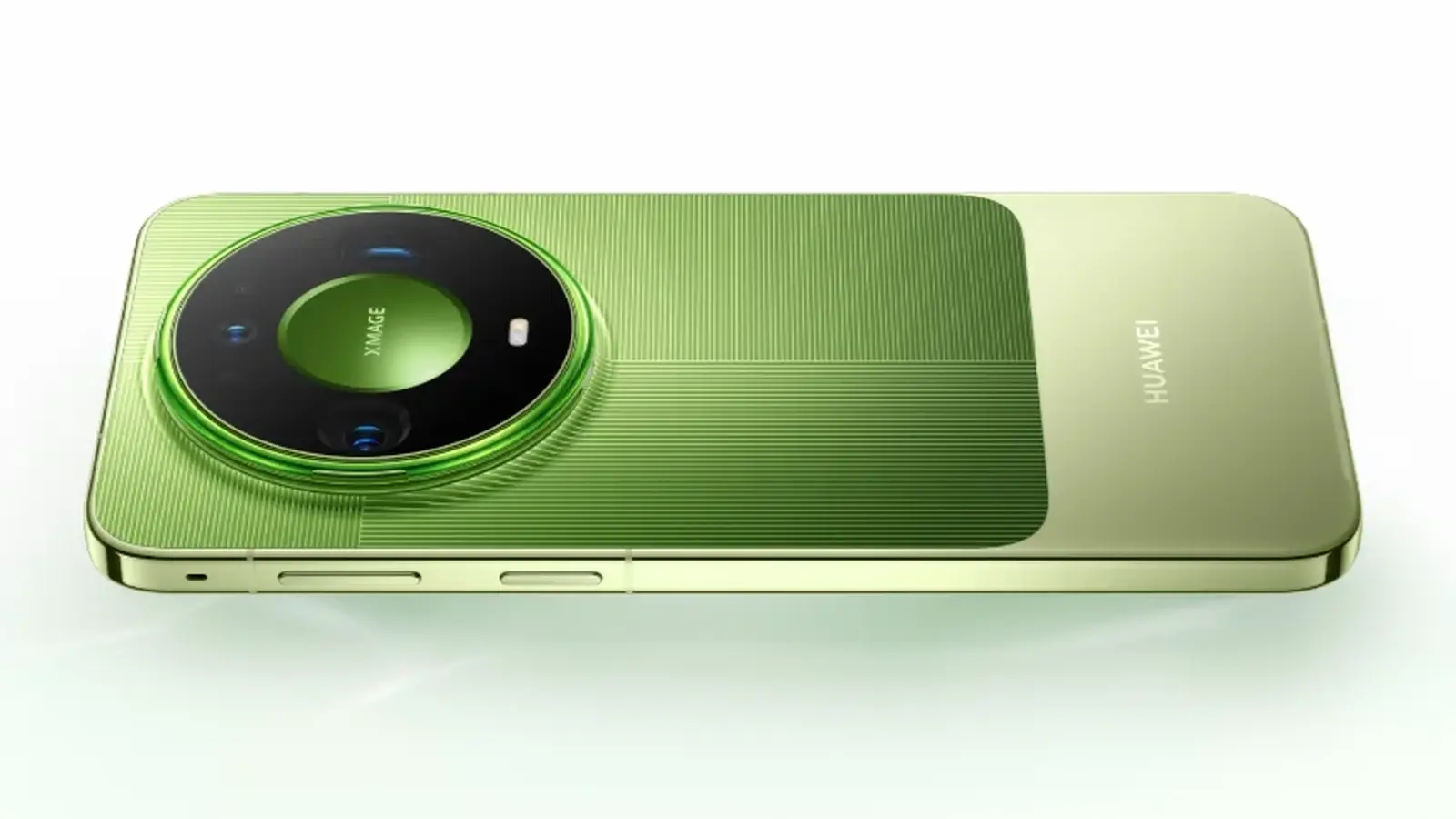
Huawei launched the Mate 90 Pro Max with the Kirin 9050 Pro, which early testing shows delivers notably efficient real-world gaming performance that approaches top Snapdragon and Apple chips in native HarmonyOS titles.
At the October 1 launch, Huawei said the phone’s LogicFolding design produces a 31% overall performance boost versus the previous generation. The Kirin 9050 Pro uses a nine-core, four-cluster CPU: one prime core, two big performance cores, four efficiency cores, and two ultra-low-power cores. Official figures cite roughly 23% multi-core gains, 40% faster GPU rendering, and a 140% jump for the NPU.
LogicFolding stacks two layers of logic circuits and links them with dense hybrid bonding. Huawei says the approach packs more transistors into the same area and enables higher clock frequencies than a conventional flat design.
The regular Mate 90 and Mate 90 Pro use related but non-stacked Kirin 9030 and 9035 chips. Huawei says those chips share the same core architecture and HarmonyOS optimizations and deliver about 27% and 20% gains respectively over the previous Mate series.
Early independent testing, including teardowns and numbers from Geekerwan, supports the stacked design and shows the Pro Max is particularly efficient in native HarmonyOS games.
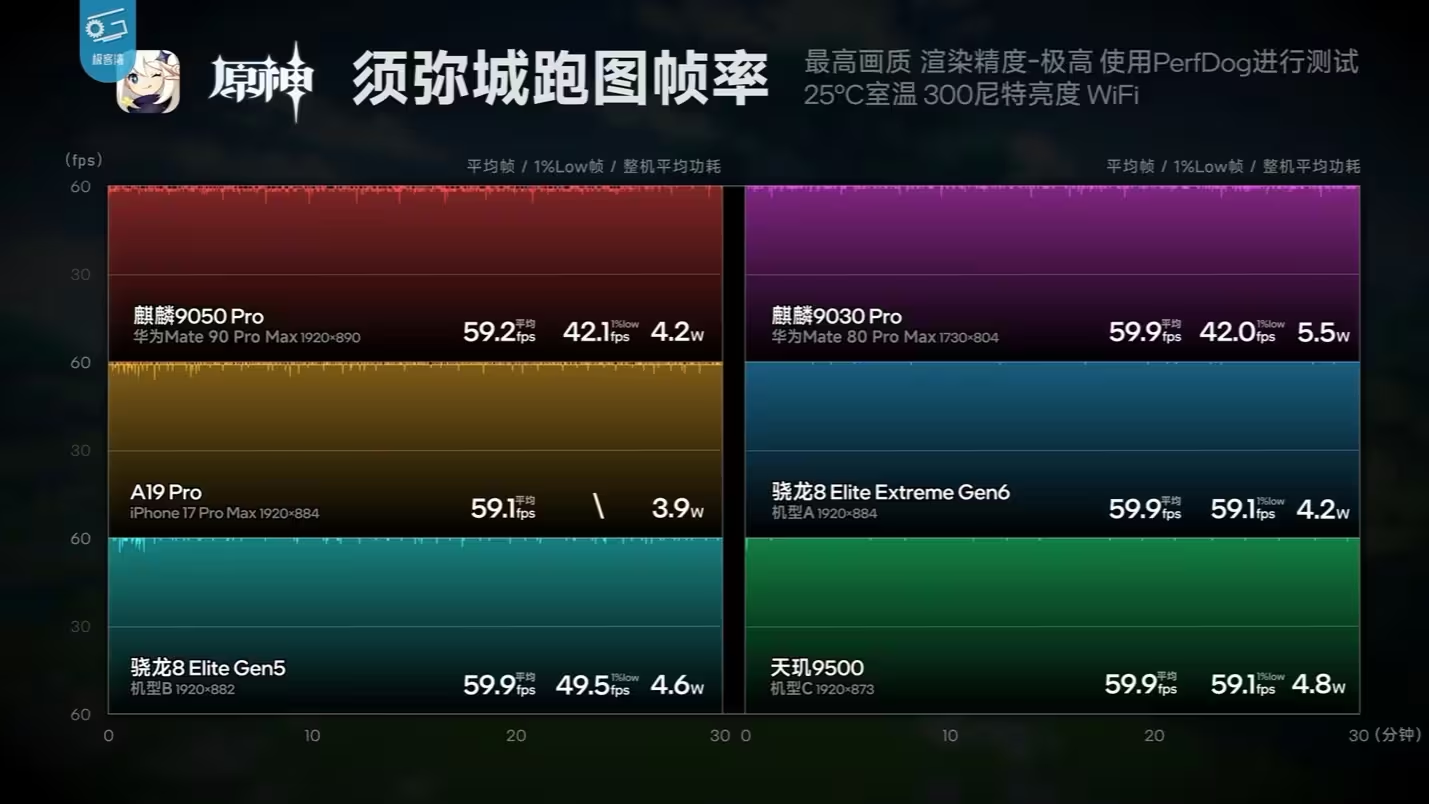
In Genshin Impact running at 890p, the Mate 90 Pro Max sustained full frame rates while drawing about 4.2 W of system power. That level of efficiency outperforms some Snapdragon 8 Elite Gen 5 devices and is comparable to the iPhone 17 Pro Max (A19 Pro) and higher-end Snapdragon 8 Elite Extreme Gen 6 configurations in the same tests.
Tests show similar efficiency in Wuthering Waves, where the Huawei build remains locked to a lower resolution, and in a few other native titles. Games that require translation layers still run acceptably, but the efficiency advantage narrows.
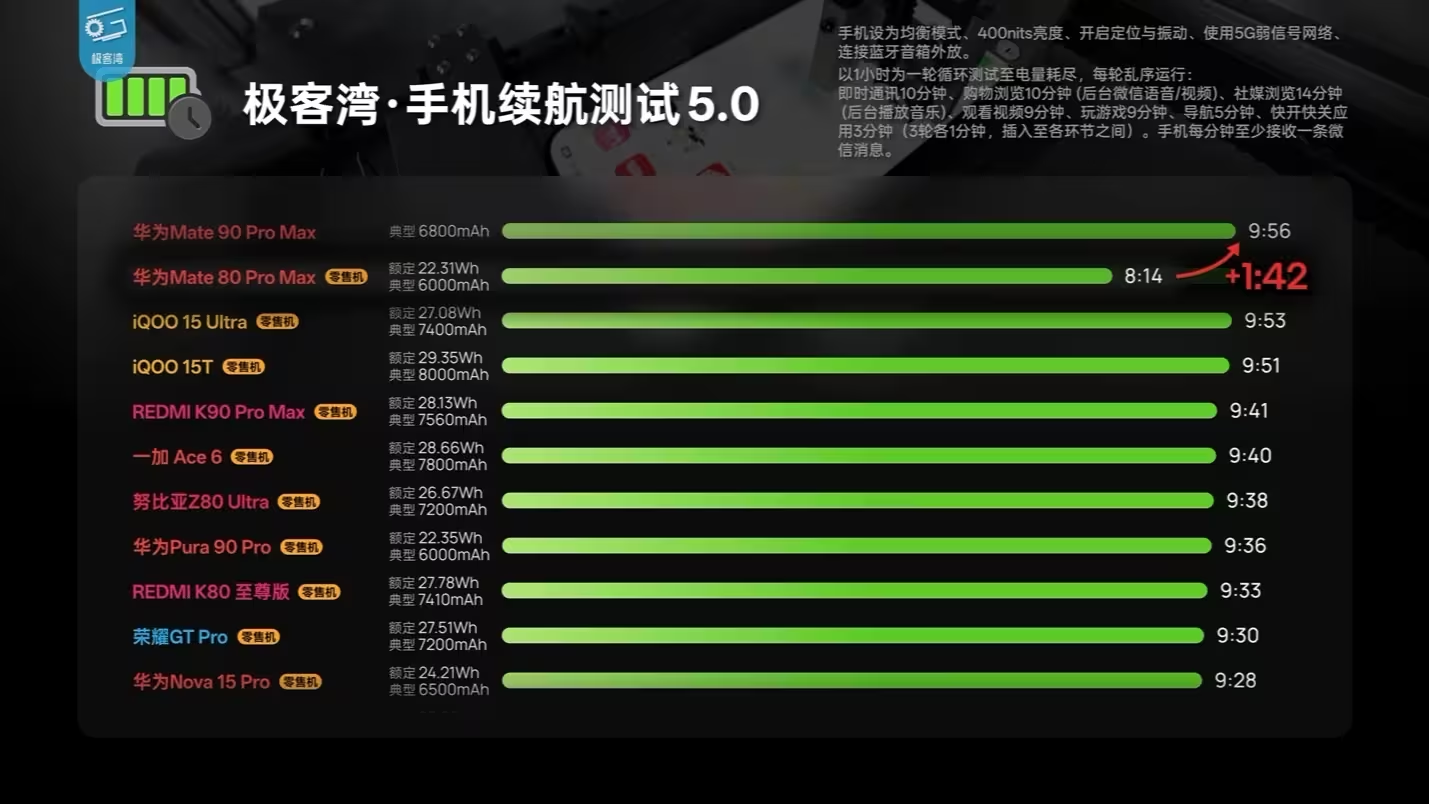
Pure synthetic CPU scores continue to trail the absolute top Snapdragon and Apple chips, and manufacturing limits remain a factor. However, the new architecture, deep system-level tuning, and the measured gaming efficiency represent a clear step forward for Huawei’s in-house silicon.
If sustained performance and battery life in well optimized native games matter more than absolute benchmark peaks, the Mate 90 Pro Max offers a strong practical case for the Kirin 9050 Pro.

“I cover emerging technologies, digital innovation, and the intersection of tech and everyday life. My goal is to make complex trends accessible and inspiring.”

Discussion
Leave a Comment
Comments
No comments yet. Be the first.