
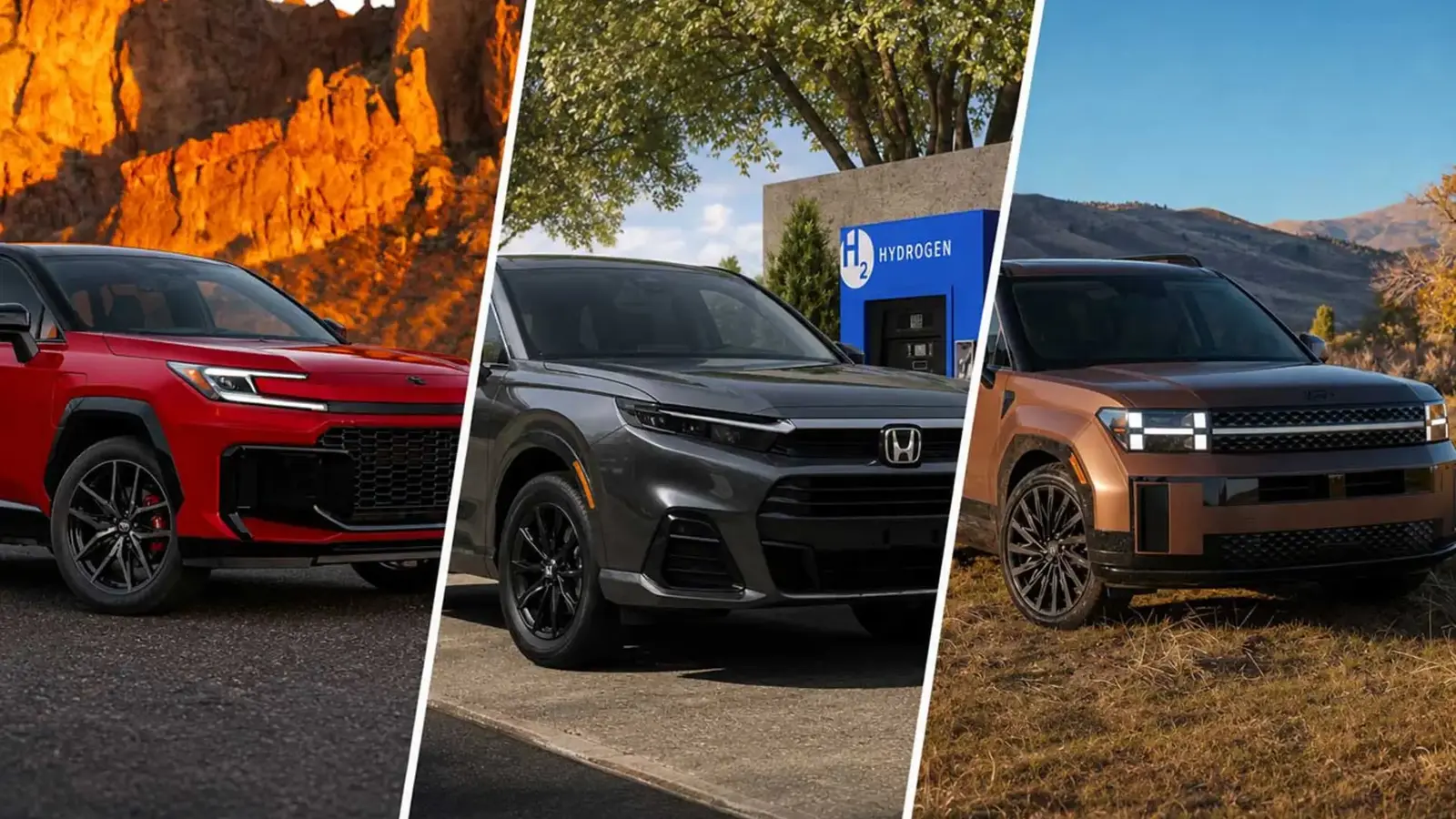
Pull into a grocery store lot anywhere in the U.S. and you’ll notice a pattern: Corollas, CR-V hybrids and Hyundai crossovers arrive, park, and keep moving. Meanwhile, public chargers sit idle more often than not. That visual says a lot about what’s really happening in the marketplace.
Toyota, Honda and Hyundai now control roughly 86 percent of the U.S. hybrid segment. That’s not a temporary spike. When nearly nine out of ten hybrids sold come from three manufacturers, the shift looks structural. Buyers aren’t rejecting electrification. They are choosing a version of it that fits daily life with fewer compromises.
Why buyers chose the middle path
Think about the choices drivers face. Should they commit to a fully electric car and invest in home charging? Or pick a hybrid that trims fuel bills, avoids range anxiety and behaves like a conventional car? For most, the answer is obvious.

Hybrids deliver many of the fuel-saving benefits people want without the chores of EV ownership. No need to install a charger, no frantic searches for a working station on road trips, no worrying about shortened winter range. Monthly expenses, resale value and day-to-day predictability matter. In other words, convenience trumps headline green credentials for a great many shoppers.
Automakers who treated hybrids as a temporary bridge to battery electric vehicles misread the market. Toyota did the opposite. Two decades of steady investment in hybrid systems has paid off. The company expanded hybrid options across every segment, from compact sedans to family SUVs. Honda and Hyundai followed, adding hybrid versions of mainstream models and low-consumption options across their lineups. The result is a broad product mix that removes the false choice between traditional gasoline cars and full EVs.

That advantage isn’t just marketing. Hybrid engineering requires years of tuning: software that blends engine and motor seamlessly, battery management systems that preserve life and reliability, and manufacturing processes adapted to hybrid components. You can’t clone that overnight. New entrants and even established rivals with big electric ambitions find it hard to match decades of accumulated know-how with a press release.
And there’s an investment angle. Capital flows where demand exists. The rise of hybrid sales is already nudging automakers to rework multi-billion-euro investment plans for future powertrains. That doesn’t kill the EV roadmap, but it does change pacing and priorities. Automakers must balance long-term battery electrification with the immediate returns hybrids provide.

So are buyers anti-electric? Not really. Many still want lower emissions and the running-cost benefits of electrified powertrains. They simply prefer a practical middle ground right now. As chargers proliferate and battery costs fall, EV adoption will continue to grow. But the hybrid resurgence proves a simple truth about car buying: ease of use remains the most persuasive selling point.
Convenience has become the decisive factor driving the current automotive shift.
Expect the landscape to keep evolving. Hybrids will remain a major part of the mix for years to come, offering a pragmatic bridge between the gas station and a fully electrified future.

“Cars are evolving faster than ever. I cover electric vehicles, smart mobility, and the future of transportation worldwide.”

Discussion
Leave a Comment
Comments
No comments yet. Be the first.