
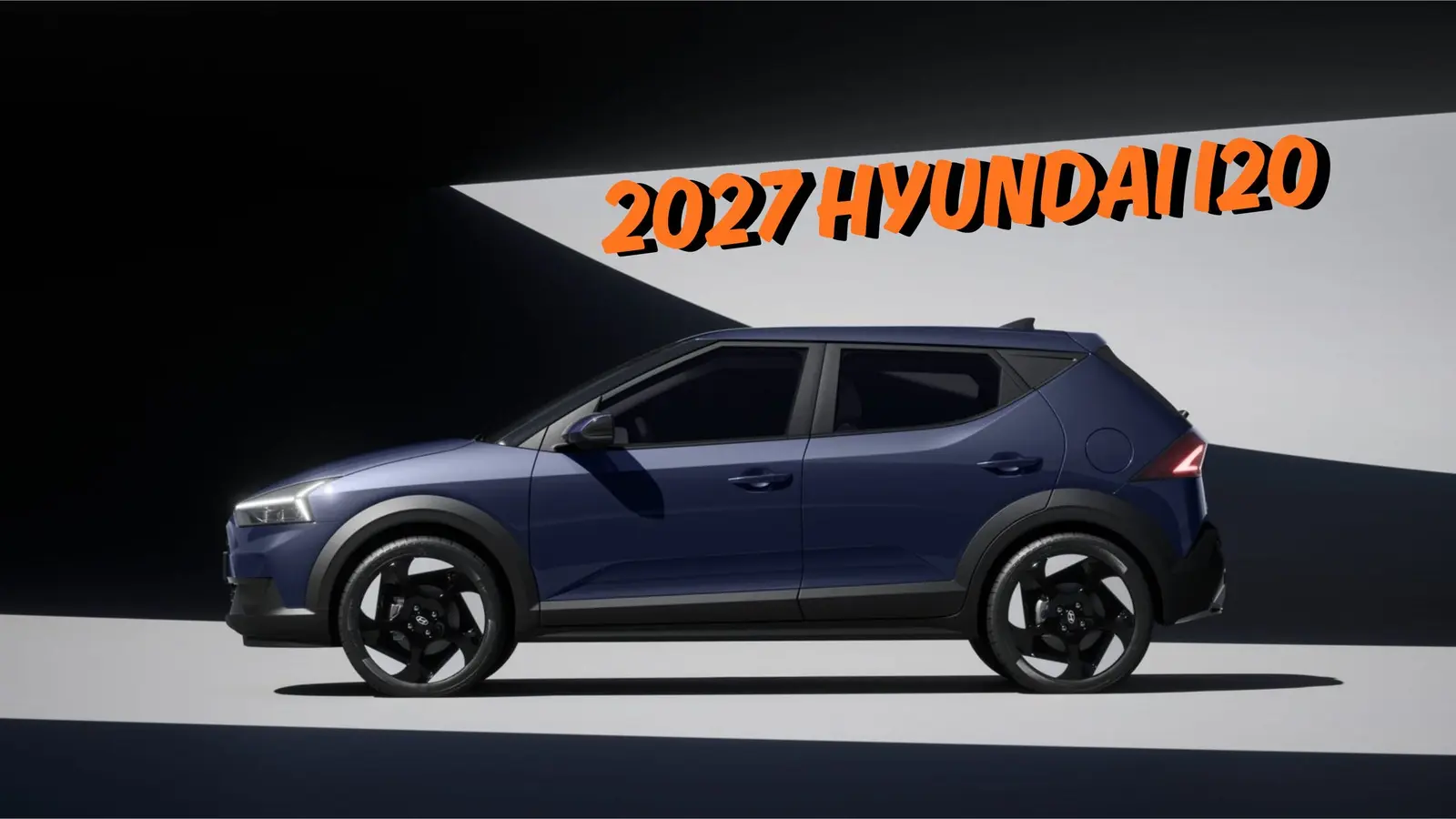
Brazil got the premiere, and Hyundai delivered something that hardly hides its new intentions. The 2027 i20 walks into the compact segment wearing a chunkier suit — less hatchback, more small crossover with a technical, modern face.
A hatchback that grew into a crossover
The car debuts Hyundai's Art of Steel language in a country known for big personalities. Think Kona cues translated into a smaller footprint: sharp geometry, an H-Architecture lighting signature, and continuous light bars front and rear on higher trims that make the i20 unmistakable at night. The proportions push visual width with pronounced wheel arches and a hard shoulder line. The rising window graphic and high beltline add a sporty stance, even if the engines are modest.

Underpinning the model is the K3 platform, a step up from the outgoing K2. Overall length reaches 4,130 millimeters, and Hyundai says width and wheelbase top the segment in Brazil. Practicality follows the bolder styling: the boot holds 346 liters of VDA volume, and fold the rear seats and you get 1,152 liters.

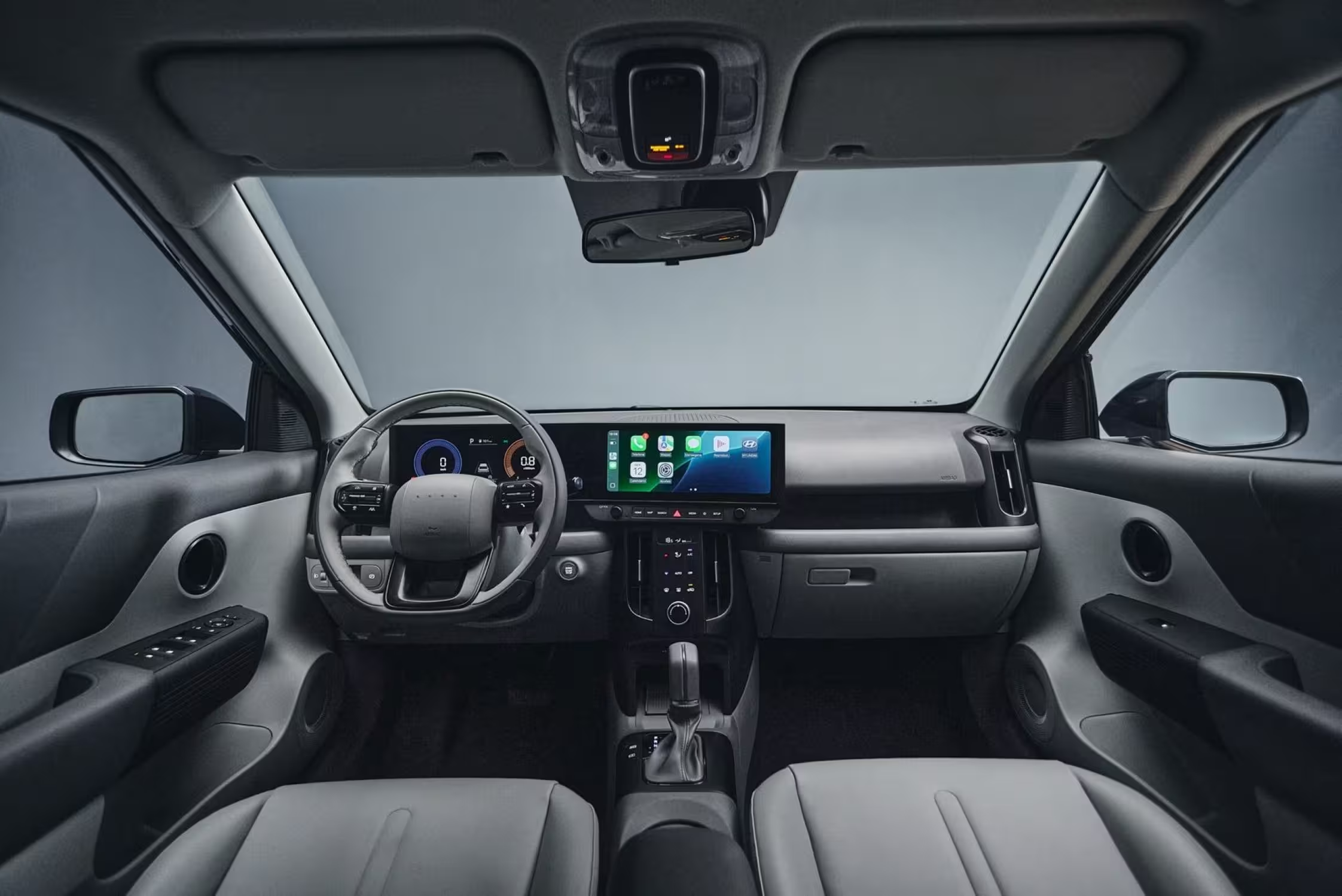
Step inside and the mood changes. Hyundai calls the cabin concept Dynamic Premium Tech. Minimalism meets small indulgences: two-tone leather seats, metallic-finish handles, a clean horizontal dash and vertical vents that give the interior a contemporary rhythm. There is a Morse-code nod to the H logo pressed into the steering wheel airbag cover. A digital cluster and a touchscreen live on the tidy fascia, and the car supports over-the-air updates and rear air vents — small conveniences that matter on daily drives.

Tech on the options list includes steering wheel-mounted shift paddles on automatic models, an electronic parking brake, rear occupant alert, wireless Android Auto and Apple CarPlay, parking sensors and a six-speaker audio system. Safety equipment starts respectable with six airbags and hill-start assist, while Hyundai's SmartSense suite covers active safety.
- Lane Keeping Assist and Lane Following Assist
- Rear Cross-Traffic Collision Avoidance Assist
- Forward Collision Avoidance Assist with vehicle, pedestrian and cyclist detection
- Adaptive Cruise Control with Stop and Go on higher grades
What powers the i20 at launch? Hyundai tuned the lineup for Brazil's mixed fuels. The base 1.0-liter naturally aspirated inline-three from the Kappa family is a 12-valve unit producing about 79 horsepower and 99 newton-meters on ethanol, and roughly 74 hp and 94 Nm on gasoline. There is also a 1.0-liter turbocharged option that delivers 113 hp and 172 Nm regardless of fuel type. Entry-level cars will be offered with a manual gearbox, while better-equipped turbo variants use a two-pedal automatic capable of handling the extra torque.

Hyundai will offer six trim levels at launch, beginning with Comfort and topping out with Ultimate. A limited X Line launch edition adds black exterior accents, unique 17-inch wheels and a numbered plaque for buyers who want a touch of exclusivity.
Production takes place at Hyundai's Piracicaba plant, the same facility that builds the HB20 and Creta for Brazil. The entry Comfort with the naturally aspirated Kappa engine and manual gearbox is priced at 99,990 reais, about 17,040 euros.
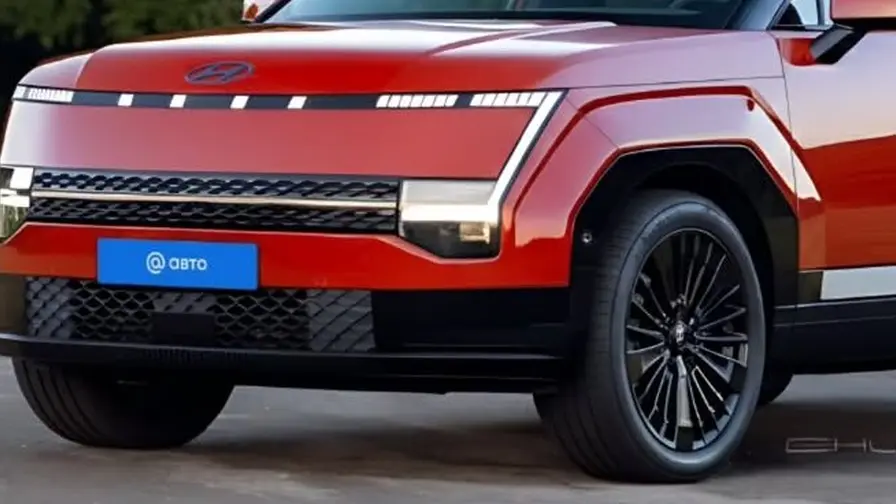
Euro-spec prototypes have been sighted testing with similar proportions, so the model that arrives in Europe should look familiar. Expect regional tweaks in powertrain choices and suspension tuning to suit local roads and emissions rules. The shift is clear: the i20 has traded some of its hatchback understatement for a posture that reads bigger, and buyers will decide if that fits their priorities.
Starting price in Brazil: about 17,040 euros for the base Comfort.

“I cover automotive innovation, electric vehicles, and the future of mobility — where technology meets sustainability.”

Discussion
Leave a Comment
Comments (2)
Is the 1.0 turbo really enough for daily use with 172 Nm? And fuel econ on ethanol vs petrol, any real numbers? I'm skeptical about ride comfort tho
Wow Hyundai went full crossover vibes, kinda bold for an i20. Looks chunky but neat, hope boot space is real and not just pics, pricing seems fair tho. Curious about suspension on rough roads…