
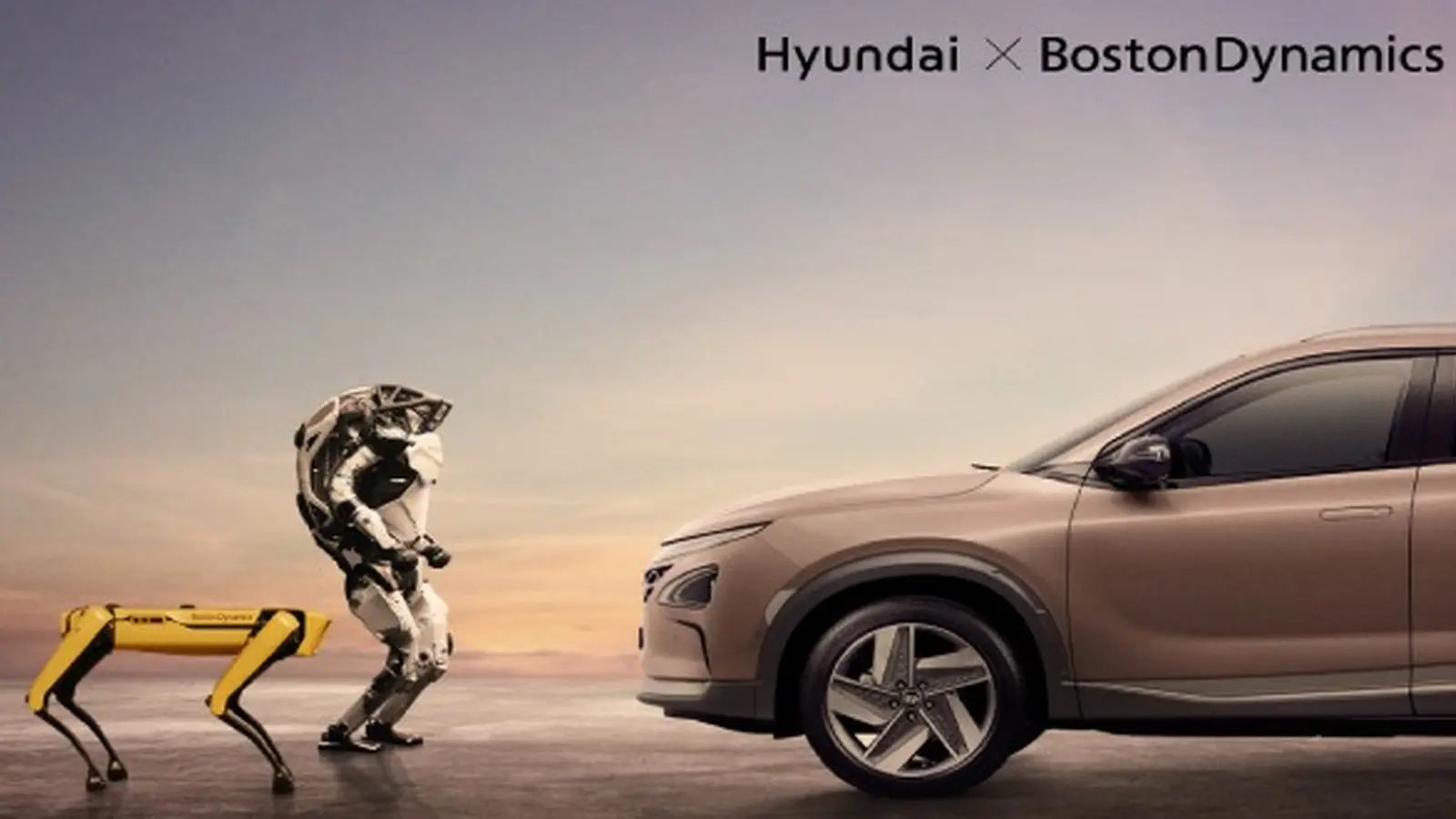
At CES 2026 the Atlas humanoid stepped into the light and made something obvious: robots are no longer sci-fi props. They are now tools a single automaker can own, tune and field-test on its own production lines.
Hyundai closes the loop
Hyundai has paid about €302 million to acquire the remaining 9.65 percent of Boston Dynamics from SoftBank, a deal expected to clear on 22 June 2026. That completes a move first started in 2021, when Hyundai bought an 80 percent stake for about €818 million. With full control, Boston Dynamics becomes a wholly owned subsidiary of Hyundai Motor Group.
The ownership trail matters. SoftBank had purchased Boston Dynamics from Alphabet in 2017, while Google originally picked the company up in 2013. Now SoftBank is stepping away as it reorients capital toward large-scale AI infrastructure projects, and Hyundai is doubling down on practical robot deployment inside its factories.
Atlas leaves the show floor for the assembly line
Atlas, Boston Dynamics' electric humanoid, was a headline at CES. The plan is not spectacle. Hyundai aims to start using a production version of Atlas at its electric vehicle plant in Savannah, Georgia, by 2028. Initial tasks will be straightforward: sorting and handling parts at the Metaplant in Georgia. The company expects Atlas to learn a new factory task in one to two days and to reach a reliability target of 99.9 percent before wide deployment. By 2030 the goal is to graduate Atlas to more complex operations.
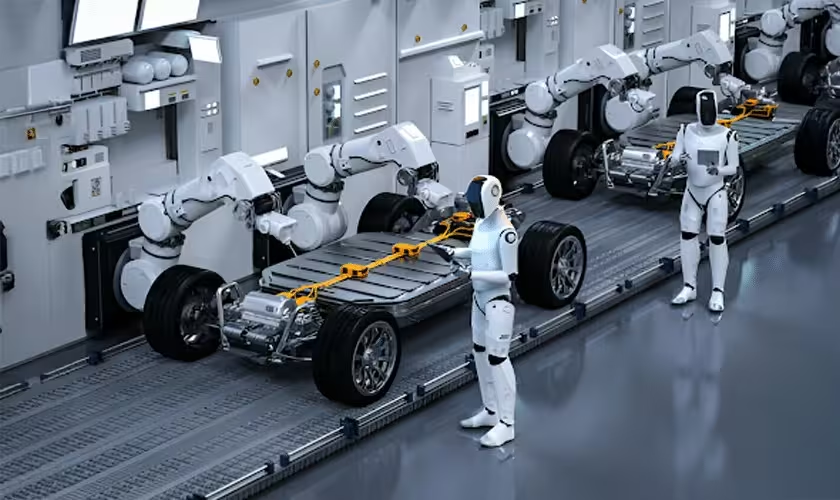
Hyundai Mobis, the parts and systems arm of the group, will produce actuators for Atlas. That internal supply chain reduces risk and makes iteration faster. In practical terms, Hyundai can prototype an automation workflow on its own timetable, tune hardware and software in-house, and measure productivity gains directly.
Why does that matter? Because deploying a robot is more than shipping units. It is about training, integration, safety and repeatable uptime. When the manufacturer owns the robot maker, those variables become controllable, not conjecture.
Competition is waking up. Tesla's Optimus project, Figor AI's trials with BMW, and more affordable units from companies like Unitree are all part of a crowded field. But Hyundai's strategy is blunt and clear: prove robots on its own lines first, then scale where it works. That is a pragmatic route to a measurable return on investment.
SoftBank's exit points in a different direction. The firm is funneling resources into a new venture called Roze AI, focused on AI-powered physical infrastructure such as data centers and robotics for broader systems. That initiative is pegged at around €93 billion in prospective value. SoftBank is prioritizing infrastructure-scale bets; Hyundai is prioritizing factory-scale integration.
There are human questions in all this. What happens to line workers? Can humanoids handle nuanced tasks without breaking the pace? Hyundai says Atlas will begin with clearly defined, repeatable tasks and will only expand into complexity as reliability climbs. The slow, measured approach aims to limit disruption while accelerating automation where it demonstrably helps.
Hyundai now holds full control of Boston Dynamics, and the factory floor will be the first proving ground.
The acquisition marks a turning point. The future of industrial robotics will be decided not in concept labs but on pallets, conveyors and assembly stations. Hyundai has just made sure it will be writing the rulebook.

“I cover automotive innovation, electric vehicles, and the future of mobility — where technology meets sustainability.”

Discussion
Leave a Comment
Comments (2)
Smart move, factories first. If Atlas hits 99.9% uptime that changes the game. still skeptical abt nuance tasks though
Hyundai owning Boston Dynamics is huge but is Atlas really factory ready? sounds rushed, curious how safety and layoffs get handled..