
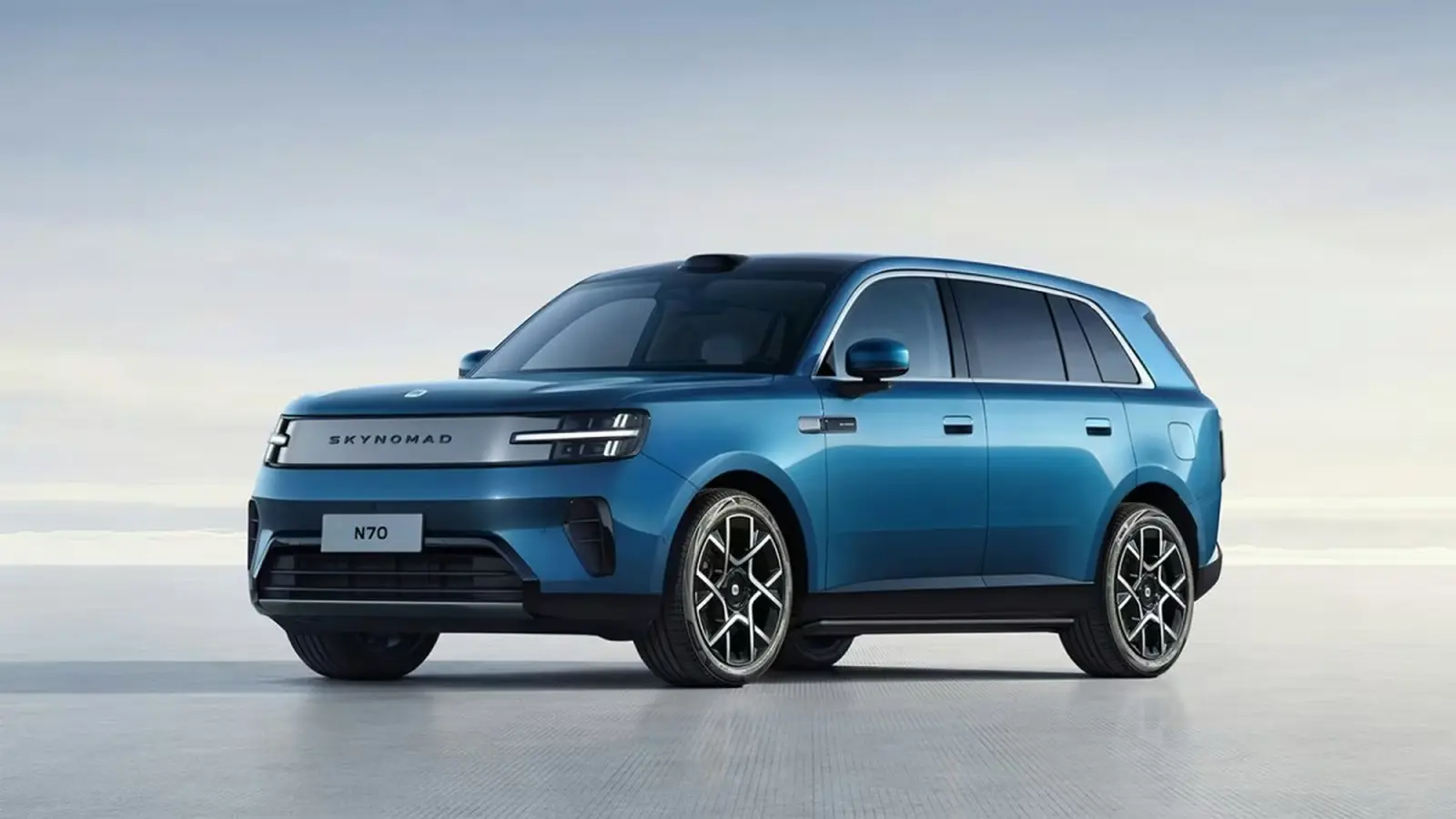
Imagine a family piling into a car at dusk, suitcases stacked, a cooler wedged between the seats, and a pop-top roof promising a night under the stars. That image is exactly what Xiaomi is selling with its new SkyNomad lineup, and buyers answered faster than anyone expected.
Space, range, and a petrol generator that quiets range anxiety
Xiaomi’s automotive story used to be about sporty ambitions and Nürburgring bragging rights. Now it’s about scale, practicality, and sheer volume. The company has already moved past 800,000 cumulative deliveries in roughly 29 months, a feat that left many traditional automakers scrambling for answers. But the next challenge is brutal: Xiaomi set a 2026 target of 550,000 vehicles. Through July it had delivered 216,322 units and added roughly 30,000 in August. At that pace the company still needs a huge second-half sprint.
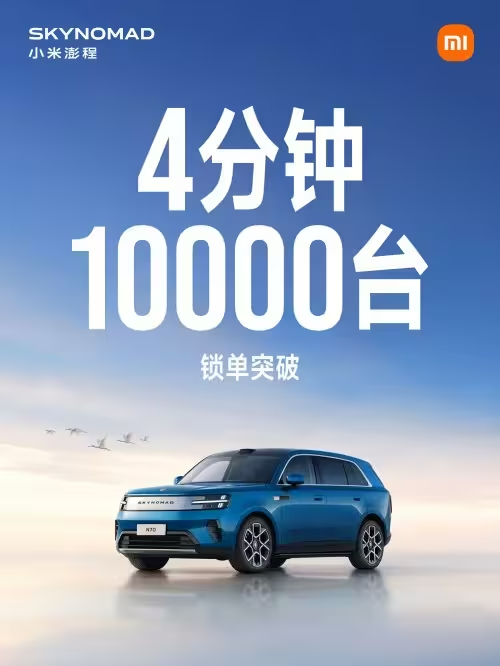
Conventional wisdom says pure battery-electric cars struggle to carry that kind of volume, especially in a market where holiday charging queues are a real headache. So Xiaomi did something pragmatic. It added a small petrol generator and entered the extended-range electric vehicle market. Call it compromise. Call it common sense. The customers called it irresistible: over 10,000 non-refundable orders were placed within four minutes when SkyNomad went on sale.
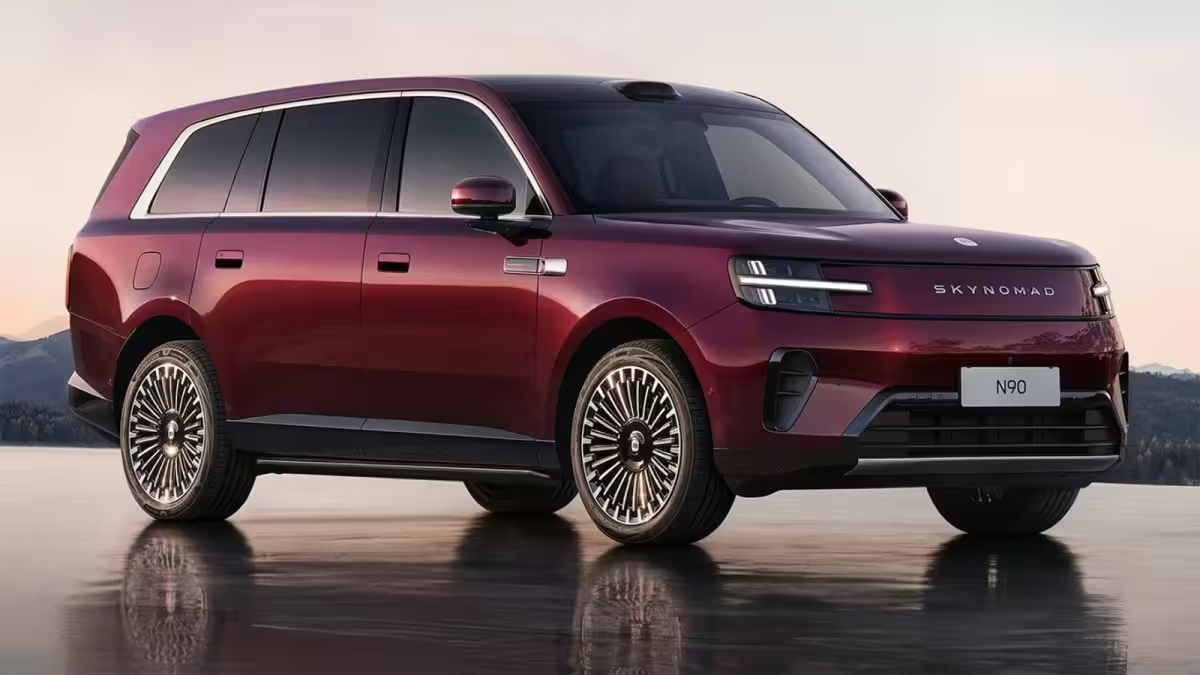
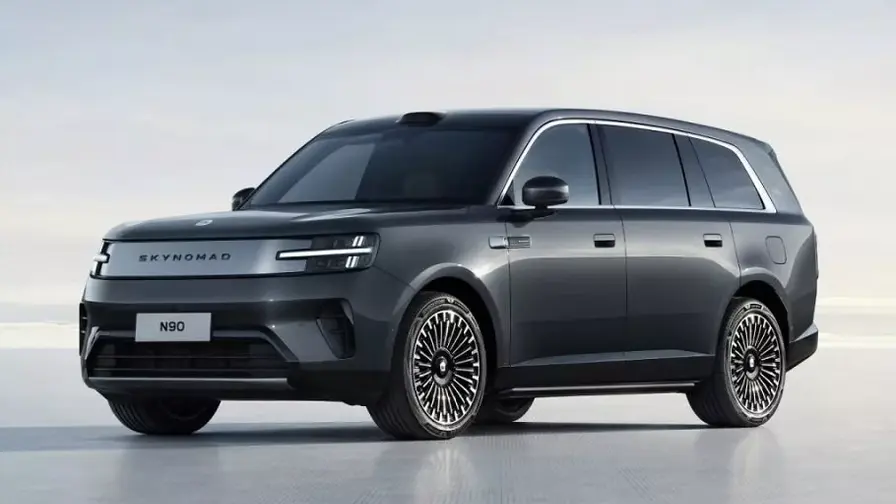
Pricing is intentionally aggressive. The five-seat N70 Pro starts at around €27,300. The N70 Max, with more power and kit, lands at about €31,200, which is €2,600 lower than some early previews suggested. Move up to the full-size three-row N90 Max and the price sits around €35,100. The range-topping N90 Max Explorer Edition — the camping-ready variant with the pop-up roof — rings in at about €39,000.
The entry N70 Pro uses a single front-mounted electric motor rated at 210 kW and a 52-kWh LFP battery supplied by Sunwoda. It’s satisfyingly practical rather than neck-snapping fast: 0 to 62 mph in 7.9 seconds, 218 miles of pure electric CLTC range, and a remarkable combined endurance of 839 miles when the onboard generator joins the party. For many families that mix of electric daily driving and comfortable long-range capability is the sweet spot.
If you want urgency, the N70 Max swaps to dual motors and all-wheel drive, delivering 310 kW and cutting the 0 to 62 mph sprint to 5.5 seconds. It also moves up to a 76-kWh ternary lithium battery from CALB, which pushes battery-only range to about 314 miles and total petrol-plus-electric range to roughly 908 miles.
The N90 Max plays the role of the statement piece. Its dual-motor setup pairs a 210 kW front motor with a 100 kW rear unit, muscling this roughly two-and-a-half-ton cruiser to 62 mph in about 5.9 seconds. With the same 76-kWh battery it manages around 288 miles on electric power and an extraordinary 1,059 miles in combined range. When you do plug in, fast charging promises about 177 miles of range in 15 minutes.

Xiaomi’s price positioning is blunt and deliberate. The N70 undercuts the segment stalwart Li Auto L7 by nearly €13,000 at entry-level pricing, while the larger Xiaomi models sit well below the Li Auto L9’s price band, which climbs into the mid-€50,000s and higher. In short: similar cabin space, competitive packaging, and a much more provocative price tag.
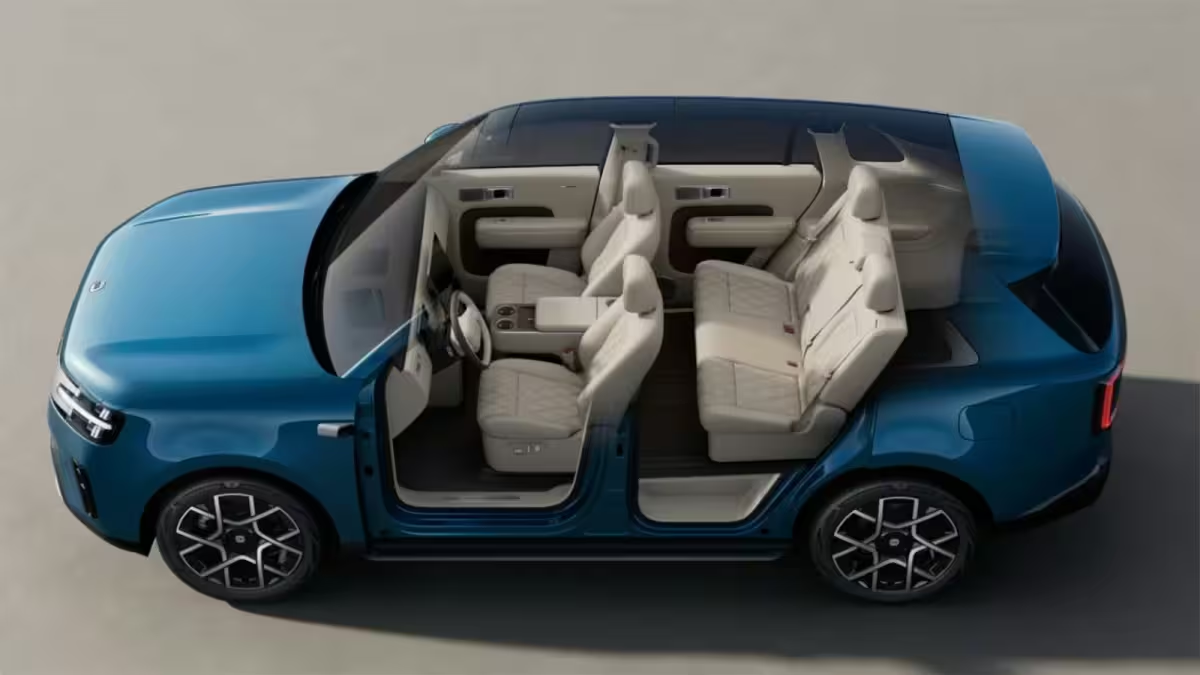
Interior tech reads like a Xiaomi product tour. Snapdragon 8 Gen 3 silicon runs the HyperOS stack, gluing car, phone, and home together. A 16.1-inch central screen is standard, but the standout is a motorized center island that slides on floor rails, offering hardware expansion ports and a 9-liter compressor fridge that actually cools beverages. Seats on the first and second rows offer zero-gravity recline, heating, ventilation, and deep-tissue massage; the front chairs can swivel to create a lounge feel.
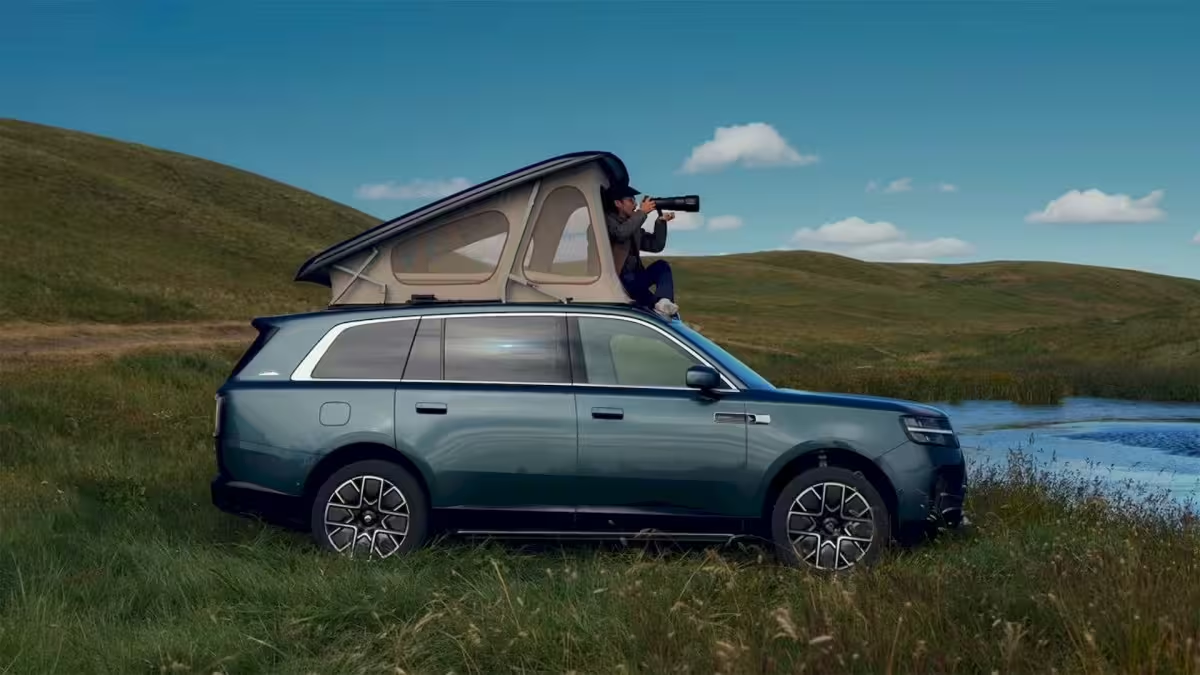
And then there’s the Explorer Edition, aimed squarely at China’s booming outdoor culture. Xiaomi removed the third row, kept five seats, and engineered a rear cabin that folds flat into a double bed. A touchscreen command raises an integrated electric pop-top, creating a second-story loft with almost 90.3 inches of headroom. It’s theatrical. It’s useful. And for families escaping the megacity on a Friday night, it’s clever factory packaging.
Underneath, the cars use a double-wishbone front suspension, an H-arm multi-link rear setup, and a five-level height-adjustable air suspension. When the battery runs low, a 1.5-liter turbocharged four-cylinder generator producing 112 kW takes over. It runs on regular 92-octane petrol and Xiaomi quotes consumption in the mid single-digit liters per 62 miles when the battery is depleted.
Maintenance intervals are relaxed, at three years or about 18,600 miles. ADAS and autonomous features are handled by Xiaomi’s HAD suite, powered by a 700 TOPS Nvidia Drive Thor processor and fed by roof-mounted LiDAR, a rear solid-state LiDAR option on the N90, 4D mmWave radar, and a full array of cameras.
Perhaps the boldest move is the battery warranty and safety package. Branded Dragonscale, the battery system includes millisecond-level high-voltage isolators and redundant heat shielding under a predictive battery management system. Xiaomi will cover a private first-owner for life: if a cell suffers thermal runaway from a manufacturing defect, the company promises to replace the car. If a collision ignites a battery and insurance falls short, Xiaomi says it will make up the difference to the vehicle’s pre-crash market value. That guarantee is designed to remove hesitation with a single stroke.
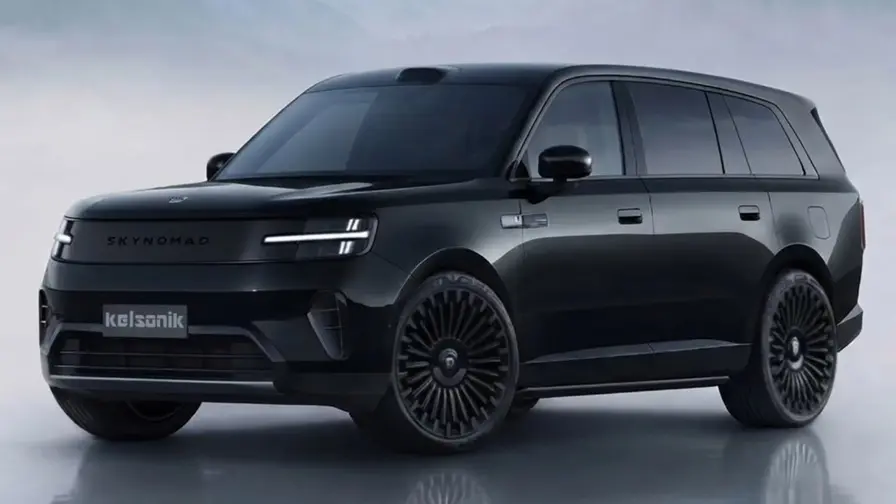
Purists might grumble about the presence of a fuel filler, but mass-market pragmatism often trumps ideology. The SkyNomad range is roomy, competitively priced, and aimed at buyers who want EV-like running costs without the stress of holiday charging. It may not be a low-slung flagship, but it’s exactly the sort of roomy, long-legged machine that can turn ambitious sales targets into reality.

“Cars are evolving faster than ever. I cover electric vehicles, smart mobility, and the future of transportation worldwide.”

Discussion
Leave a Comment
Comments (3)
Nice package, but the hybrid generator approach feels like compromise not solution. Love the price, yet wonder about resale, service network, hidden costs.
Is that 1.5L generator really sipping mid single-digit liters per 62 miles? sounds like hopeful marketing, if that's real then ok, but show real tests.
wow, Xiaomi went full camping dad mode! Pop-top + fridge = instant weekend heroes 🏕️ pricing feels wild, but curious about long term reliability, battery aging…