
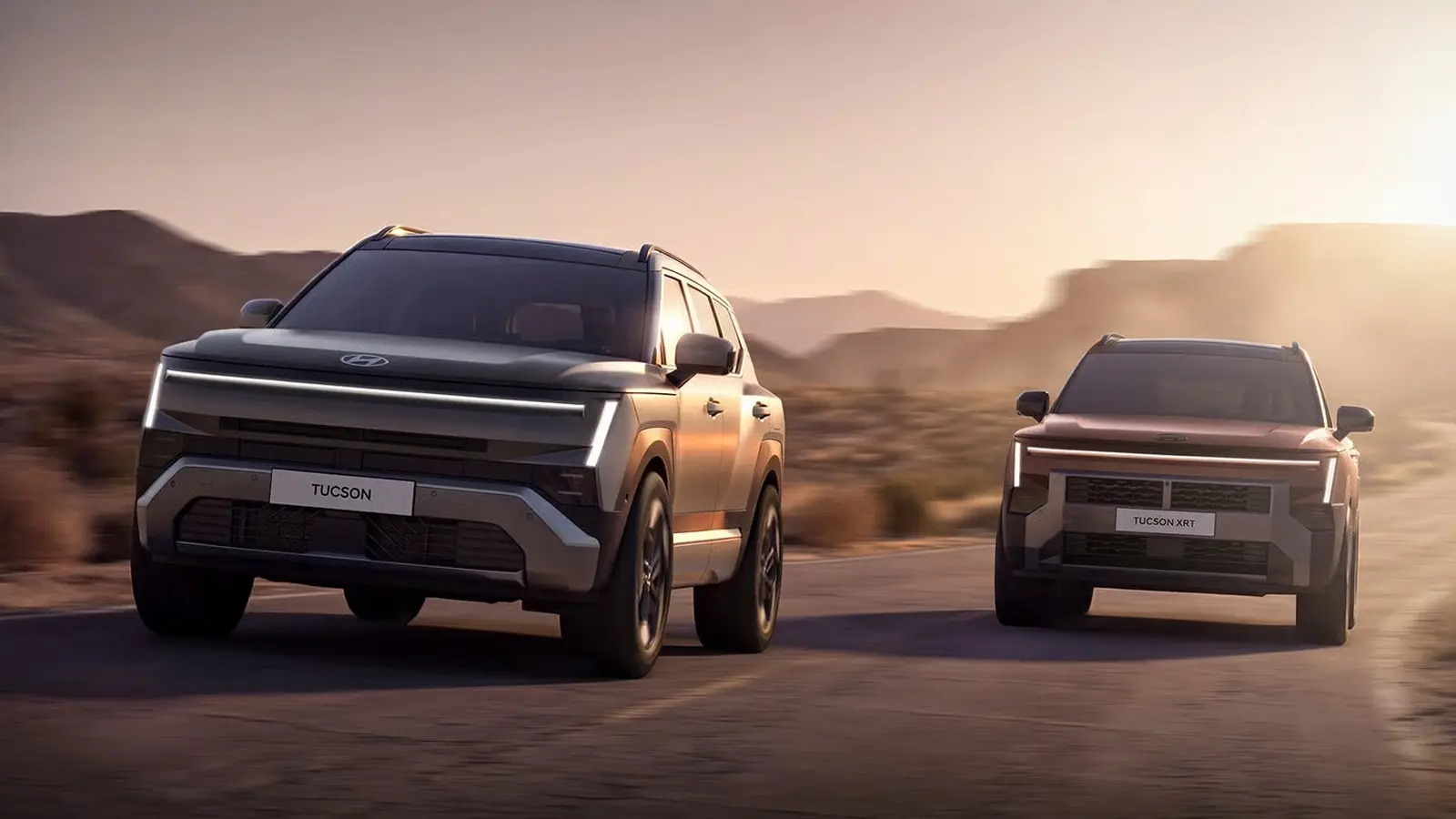
Imagine a family SUV that suddenly learns how to hustle. It still hauls groceries and school bags, but when the road tightens it snaps into a sharper, more focused mode. That, in essence, is the tantalizing suggestion around Hyundai's next Tucson N: a mainstream crossover with performance teeth, powered by a new hybrid setup that could push output close to 350 horsepower.
Electrified punch, not just economy
Hyundai has already teased a dual-motor hybrid architecture that reads more like engineering flexibility than a single-minded fuel saver. One motor is tasked with charging the battery and starting the engine. The other handles regenerative braking and adds drive torque. Pair that with an electrified rear axle and you suddenly gain a toolset that performance engineers crave: independently managed front and rear torque for sharper turn-in and more confident exits.
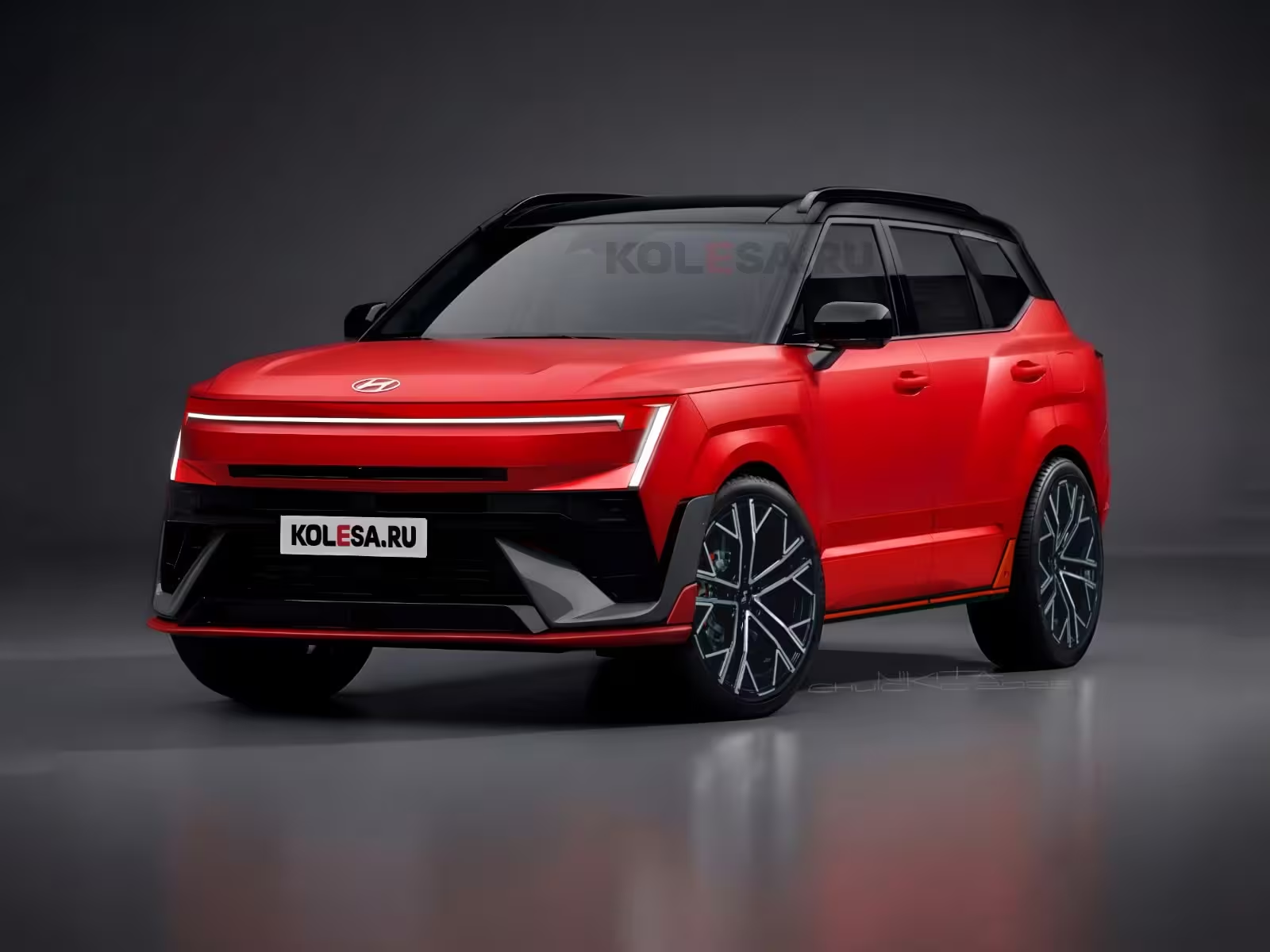
Does that mean every Tucson will go faster? No. But an N-specific calibration could. The N team reportedly wants hybrid systems with unique characteristics, distinct from the milder N-Line and standard hybrids. Picture a system tuned for bite in the corners and instant, battery-assisted throttle response in the city. Short bursts of electric torque where you need them most.
Auto Express floated a figure of about 350 brake horsepower for a Tucson N using this architecture. Hyundai hasn’t confirmed that number or even an official Tucson N yet. Still, the timing makes sense: Hyundai says full-line Tucson models, including hybrids, arrive in the last quarter of 2026 as 2027 models. The N division is also pushing for rapid expansion, aiming for far higher annual sales by the decade’s end.
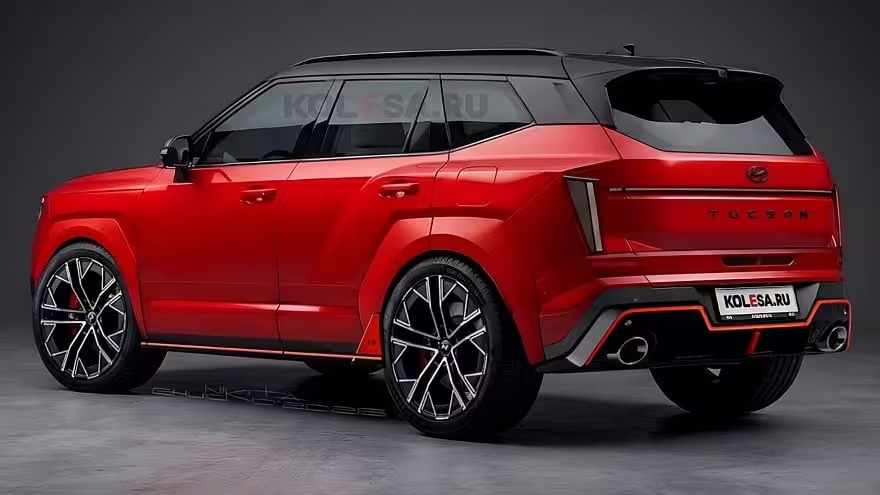
Practical upgrades are likely. Bigger wheels. Stickier tires. Stronger brakes. Adaptive suspension tuned to keep the driving experience engaging without turning daily commutes into a crash course in endurance driving. Enough chassis work to make the extra power feel purposeful rather than merely louder.
A wider strategy, not a one-off stunt
The potential Tucson N is more than a single halo model. It could be the opening salvo in a broader, hybrid-forward performance push. If the dual-motor, electrified-axle layout proves effective, it can be adapted across different engines and sizes. That means the technology might cascade into smaller N products such as i30 N, Kona N, and i20 N, giving Hyundai a cohesive plan for electrified performance.
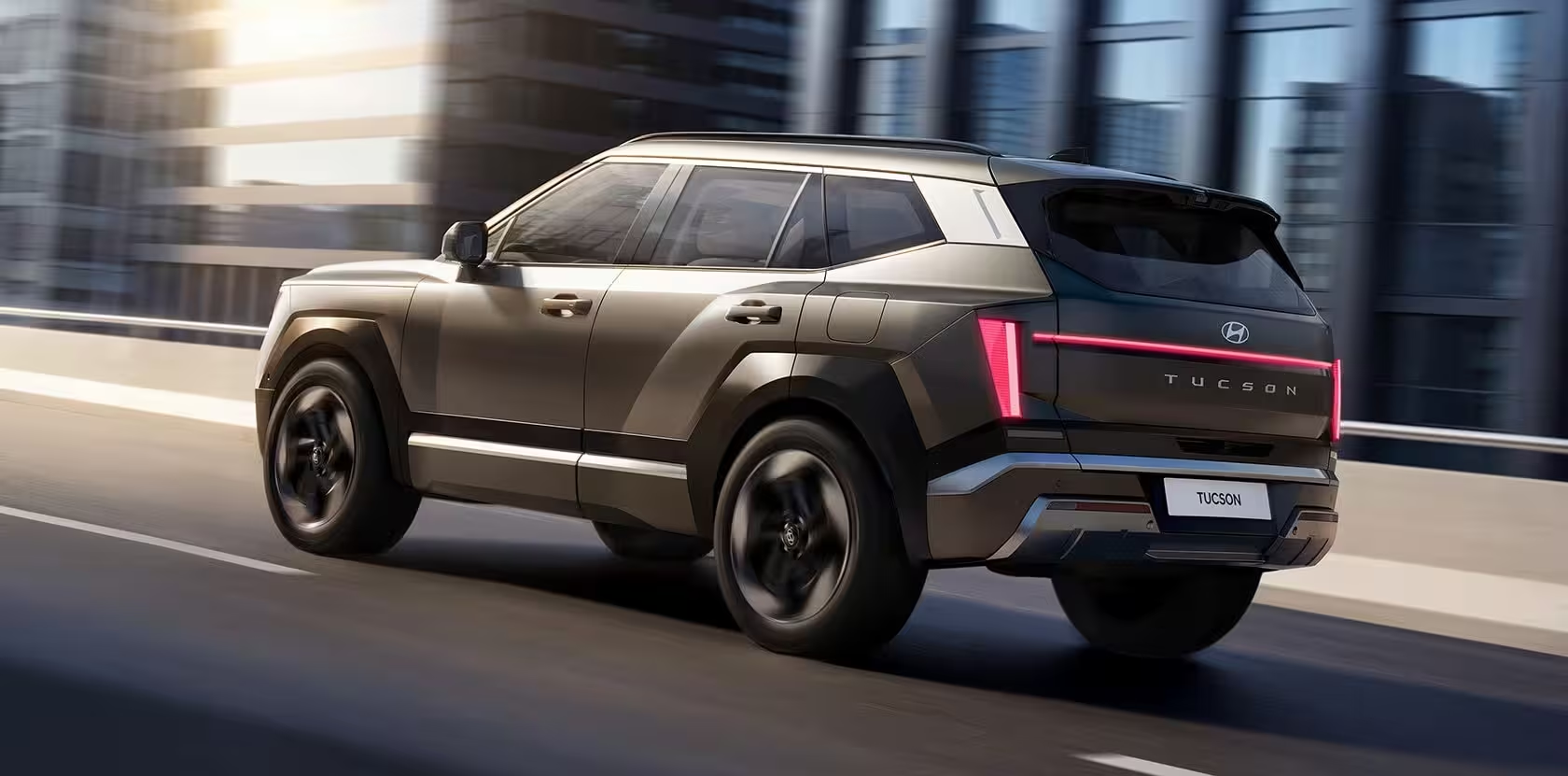
For context, Hyundai’s most powerful hybrid so far is the Palisade hybrid with its 2.5-liter turbo, rated at about 329 horsepower and roughly 460 Newton-meters of torque. The Palisade’s hybrid setup uses two motors inside the transmission up front and a traditional driveshaft for all-wheel-drive models. The Tucson N’s proposed layout would be a different, more performance-minded approach.
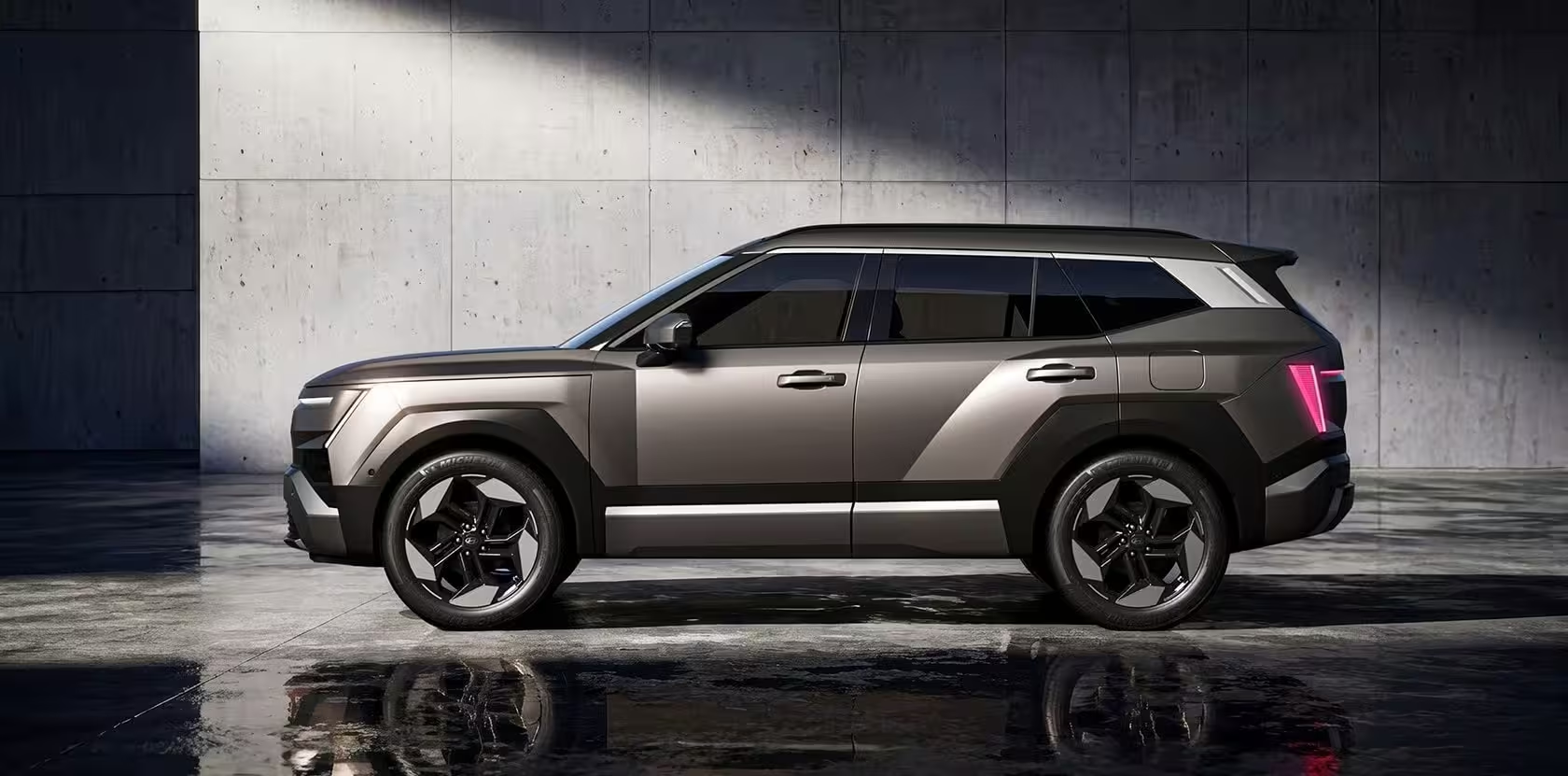
There are caveats. Hyundai has not confirmed that the Tucson N will use this specific hybrid configuration. And until we see prototypes and dyno sheets, figures like 350 horsepower remain informed speculation. What’s clear, though, is the intent: Hyundai’s N arm wants a distinct, electrified flavor for its high-performance models, not just badges and cosmetic tweaks.
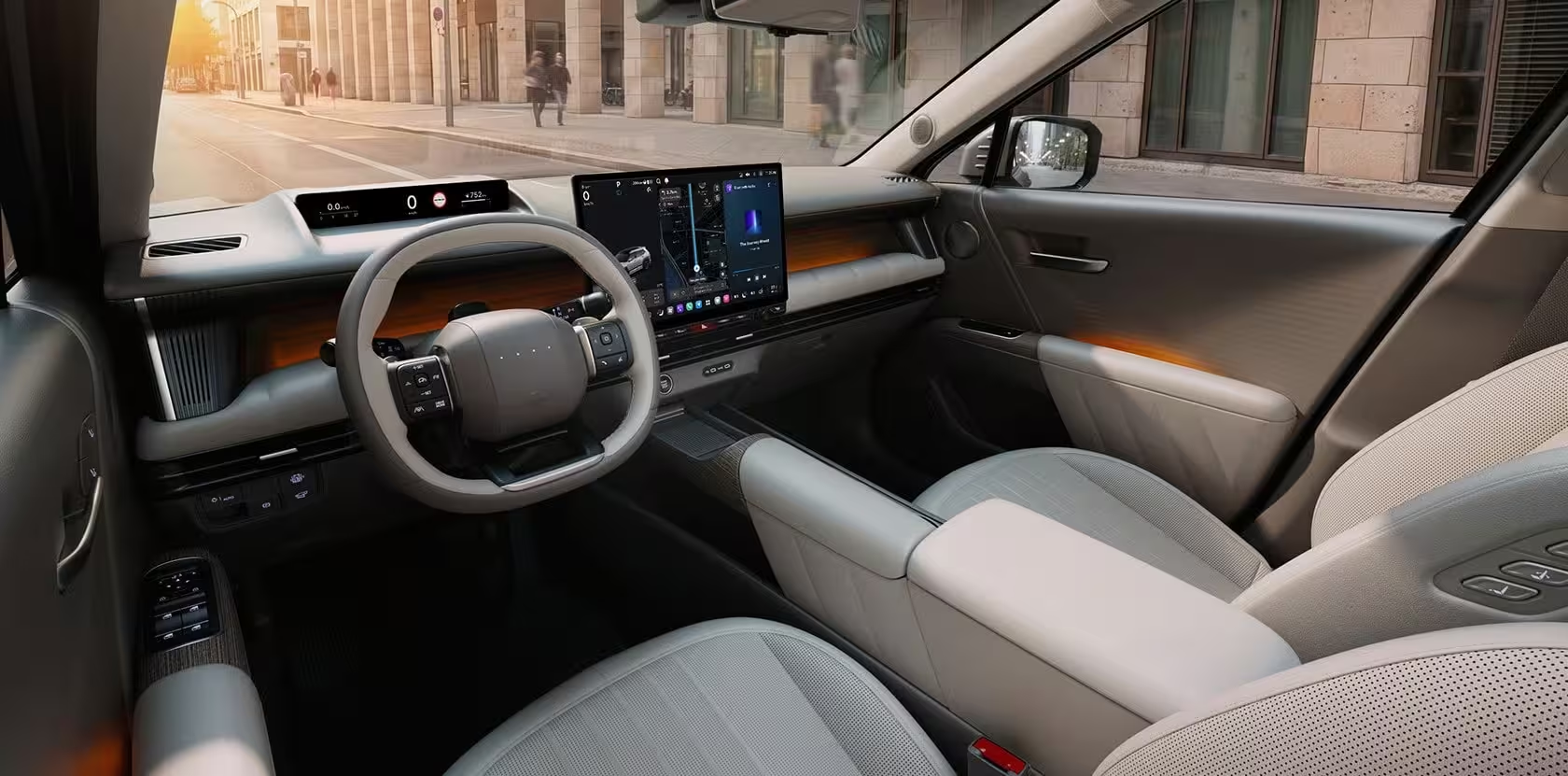
If it arrives as rumored, the Tucson N would change expectations about what a compact crossover can be. It would blend daily practicality with the kind of instantable electric torque that makes spirited driving more accessible—and more fun. The only question left: will Hyundai find the right balance between excitement and usability? If recent moves are any indicator, they are trying very hard to do exactly that.
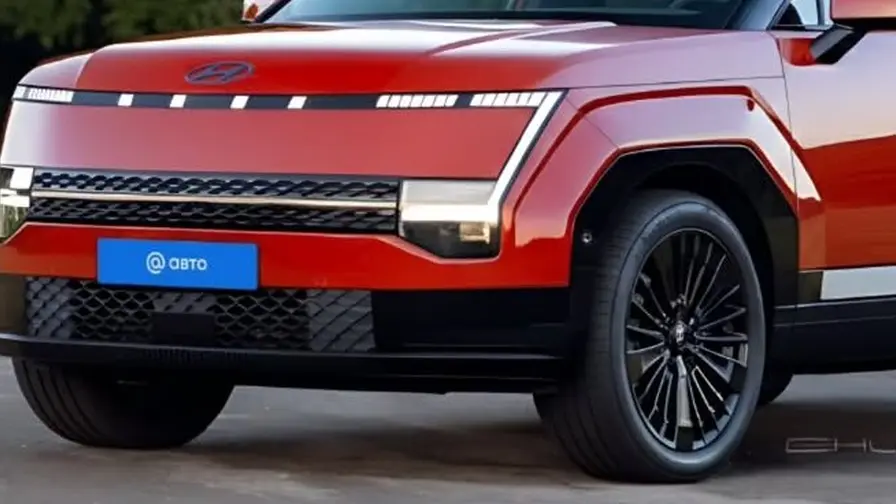

“I cover automotive innovation, electric vehicles, and the future of mobility — where technology meets sustainability.”

Discussion
Leave a Comment
Comments (2)
Cool idea but where's the weight penalty? Batteries + AWD = heavy. Can Hyundai keep the fun without turning it into a slow brick? also curious about range and service costs
Whoa, a Tucson that hustles? If they really squeeze ~350 hp into a family SUV that actually handles, sign me up. Hope they dont ruin ride comfort tho... Practical performance pls