
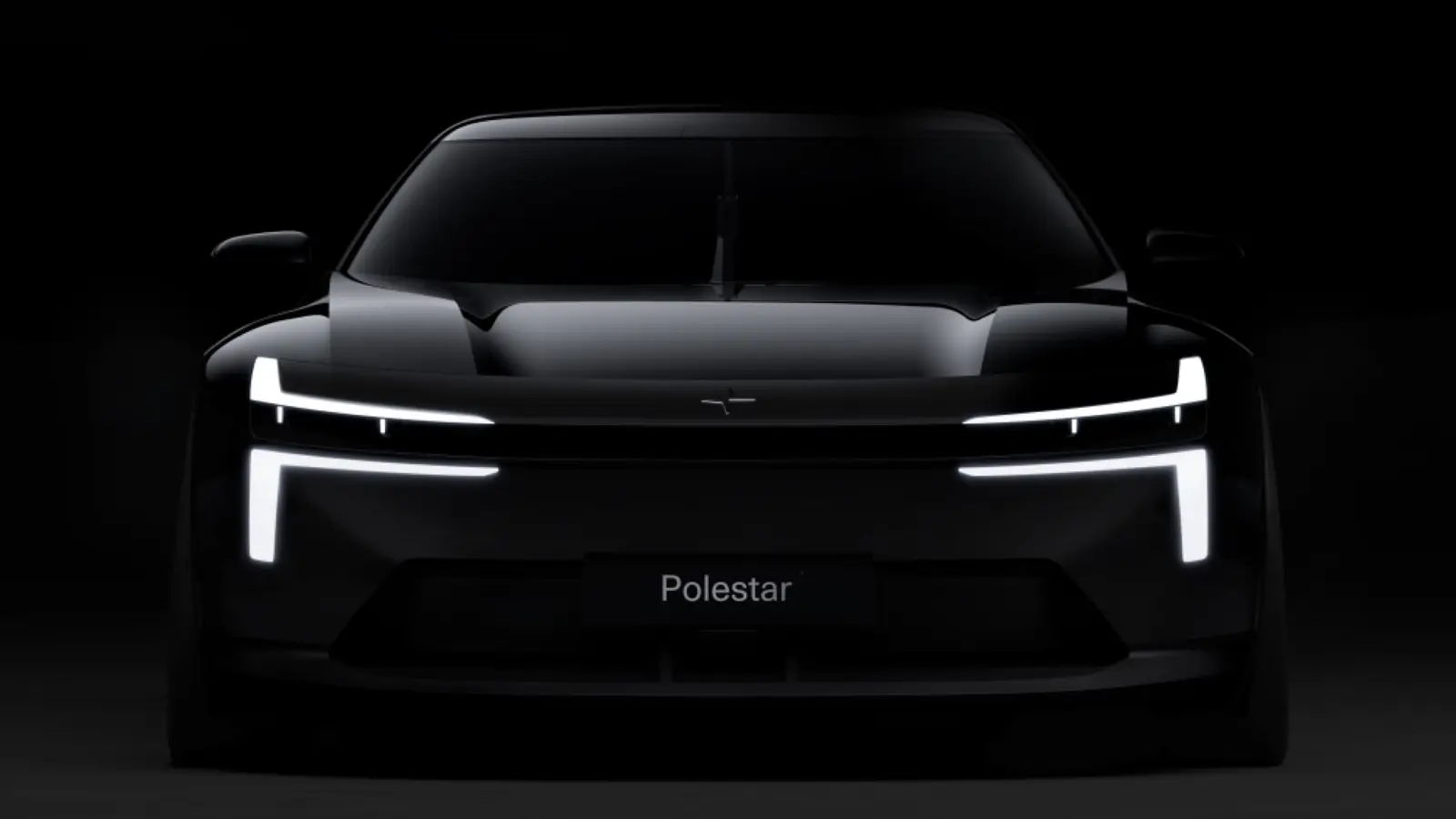
A slice of light and a single curve can change how you see a car. Polestar released one teaser image and the conversation began: this is not a minor facelift. It reads like a manifesto—an insistence that the brand's next chapter will push shape, surfacing and presence further than before.
Sharper signatures, softer surfaces
The headline detail is familiar but reworked. Polestar's Dual Blade front lights remain, yet here they’re slimmer and set farther apart, turning a recognizable motif into a dominant facial feature. The result is more confident. More theatrical. It’s a small adjustment with an outsized effect: recognition at a glance, but a fresher rhythm to the front end.
Look closer and the image hints at functional drama. What appears to be an S-duct channels air upward, suggesting added downforce over the front axle. The front wheels tilt with a pronounced camber, and an aerodynamic opening echoes the aero blades seen on the Polestar 3. Polestar hasn’t confirmed engineering roles for these cues, but their placement implies the brand is thinking about airflow and attitude, not decoration alone.
There’s also a notable change in surface treatment. Previous models favoured taut planes and crisp edges; Formula 2030 favors more sculpted, voluptuous forms. Curves take center stage. Tension remains, but it’s softened, like a musician shifting from staccato to legato.
Polestar calls this an evolution, not a rupture. That phrasing matters. The design team, led by Philipp Romers, wants continuity with the identity the brand has already established while widening the expressive range—so buyers can still spot a Polestar in a packed parking lot, but feel something new when they do.
Beyond the exterior, the teaser image and accompanying commentary nudge at deeper changes. Interior rethink. New materials. A stronger sustainability story. Those clues align with Polestar’s stated plan to make its next product rollout the largest in the company’s history, and to move into higher-volume premium EV segments.
That practical pressure explains why Formula 2030 wears two hats. It’s an eye-catching concept on one level and a rulebook on another. Whatever language the company settles on must translate across body styles—from compact fastbacks to SUVs—without diluting the character that allowed Polestar to emerge from its Volvo roots and become its own brand.
There’s also a quiet nod to history. Some of the proportion and surfacing revisit ideas that date back to the era when Polestar and Volvo shared design DNA—recalling, in spirit, the 2013 Volvo Concept Coupe. The influence isn’t imitation; it’s an echo that helps anchor the new look to a familiar lineage while steering it forward.
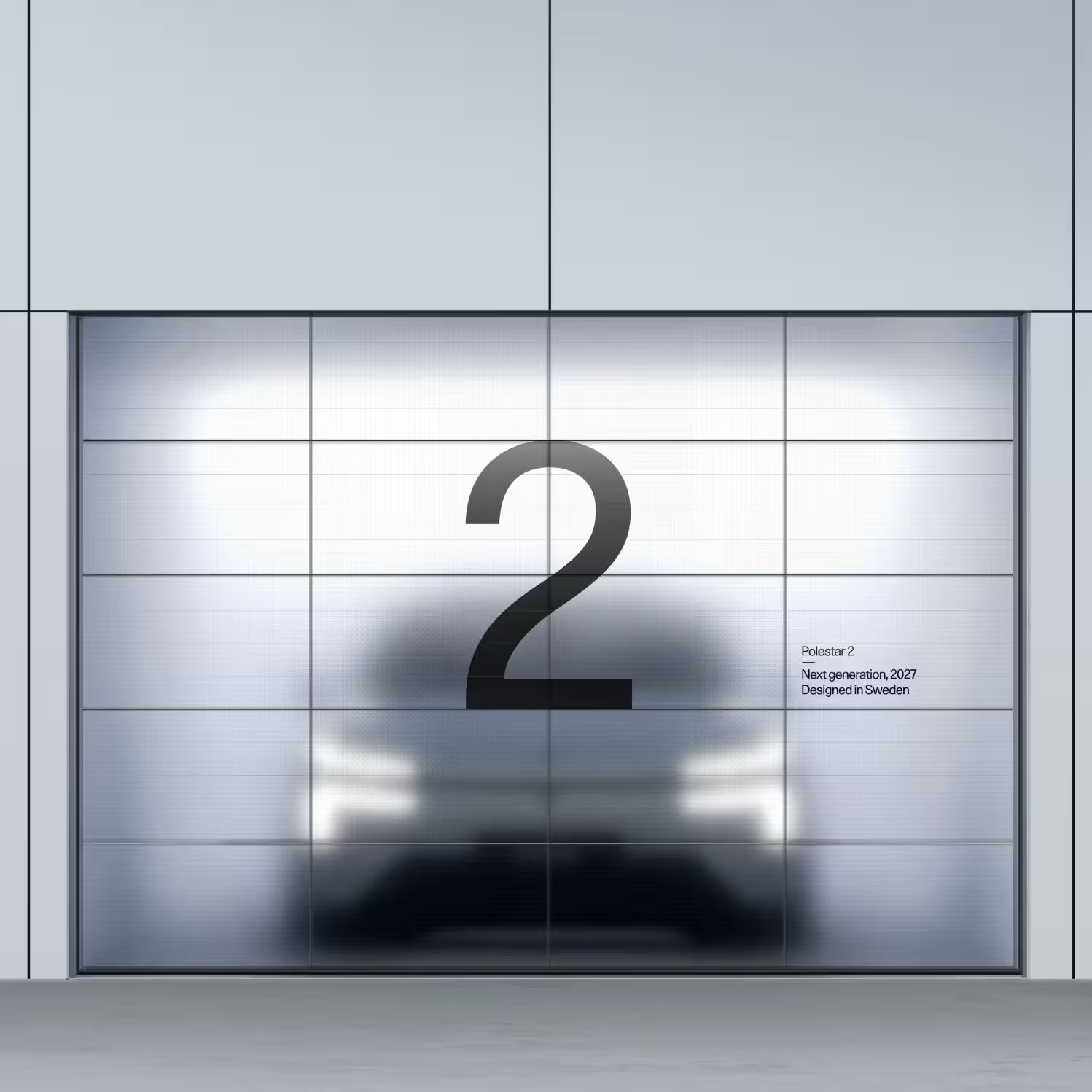
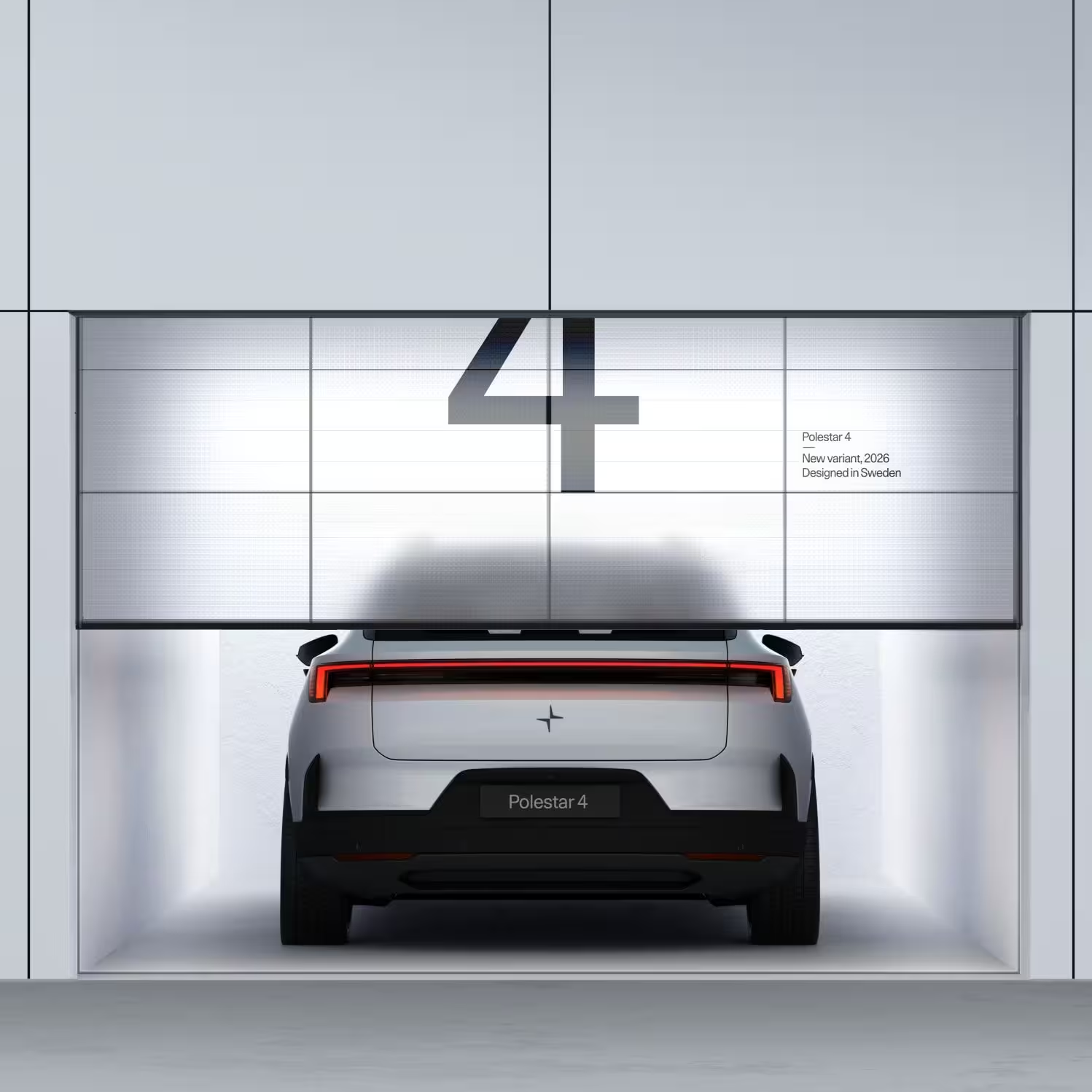
Timing matters. The Formula 2030 language is slated to appear on the second-generation Polestar 2 in 2027 and to inform the debut of the Polestar 7 in 2028. The full concept will be shown later this year during the Polestar 4 media drive, after private presentations to investors and select customers in Gothenburg. Despite being built within Geely’s manufacturing network, Polestar continues to present itself with Swedish design sensibilities.
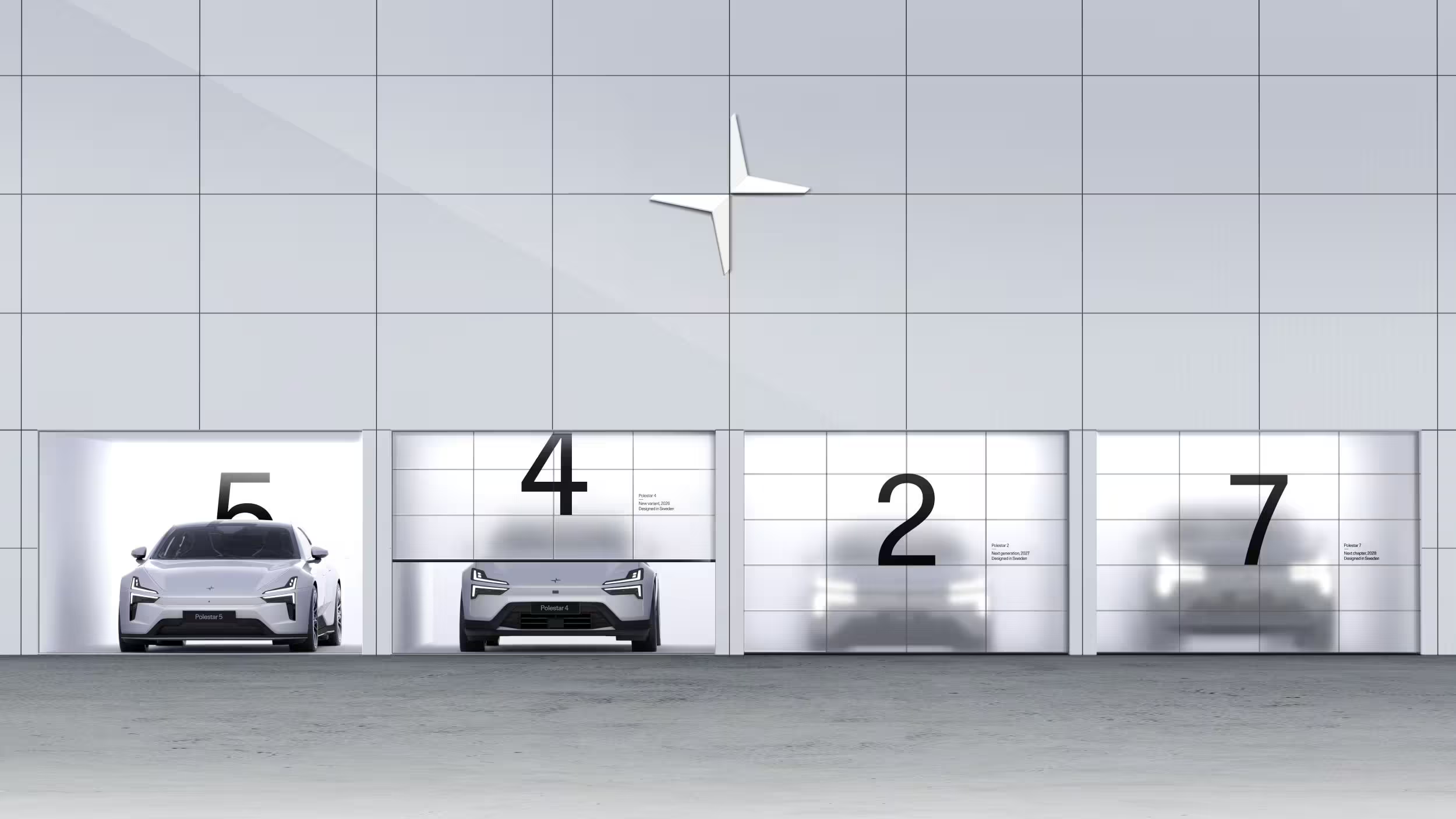
So what’s the test? It’s straightforward. Will the drama survive translation from concept to showroom? Concepts can be theatrical; production cars must be practical and manufacturable. If enough of Formula 2030’s character makes it into the new 2 and 7, Polestar will have managed a rare feat: an expressive, scalable design language that keeps the brand distinct as it grows.
The real measure will be how much of this dramatic concept survives the journey into the production 2 and 7.

“I cover automotive innovation, electric vehicles, and the future of mobility — where technology meets sustainability.”

Discussion
Leave a Comment
Comments (2)
Will this survive production tho? Feels like cool concept theater, camber and ducts for show. Also curious about cost and the real sustainability moves, not just PR. hmm
Wow that slice of light is nasty good. Slimmer blades, big attitude. If that S-duct works tho, damn, Polestar might shock ppl. Love the curves, but hope they keep it real 😮