
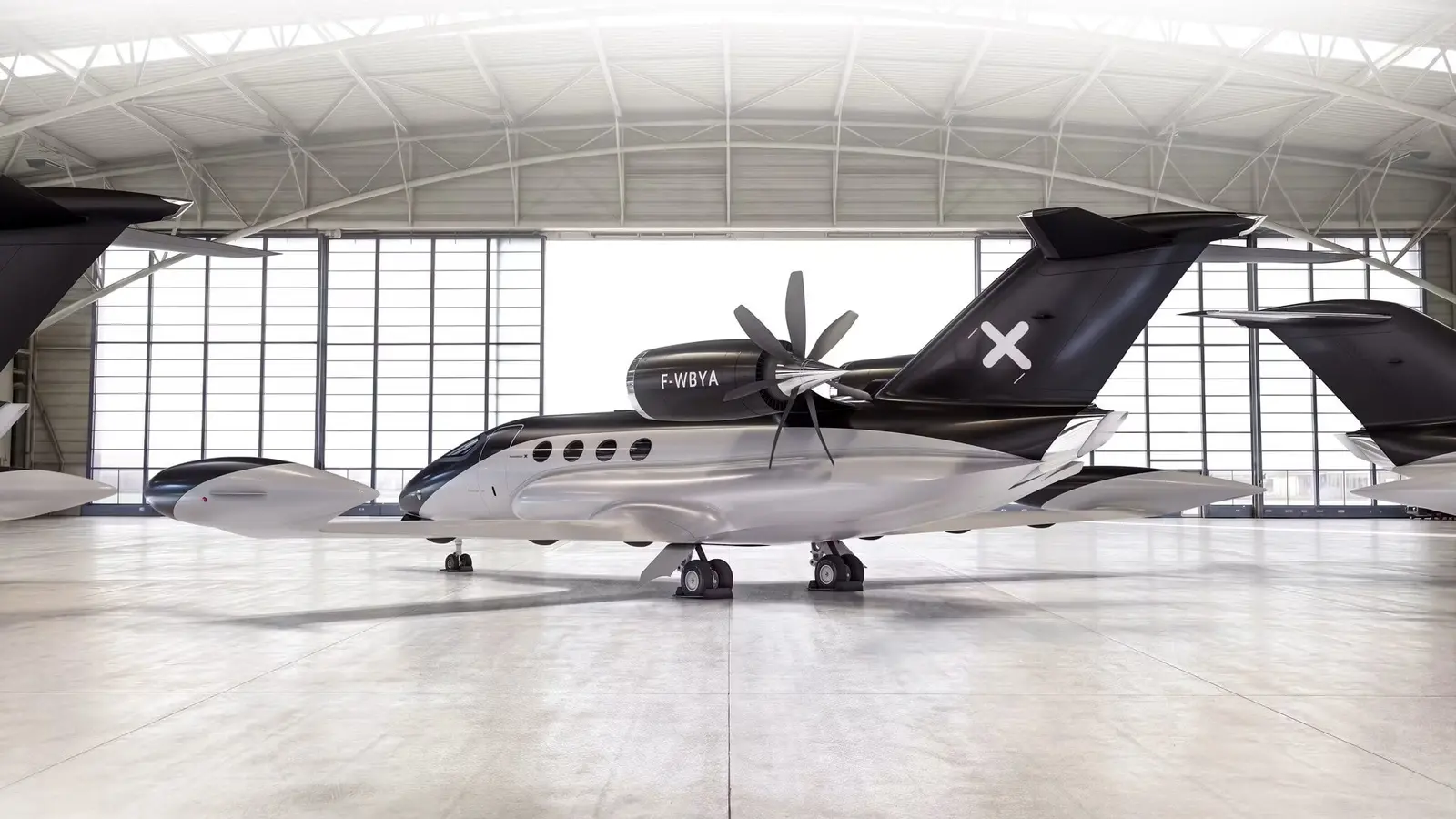
Sunlight on tarmac. A six-seat jet hums without the familiar roar. It is quiet, precise, and it smells faintly of promise rather than kerosene.
Beyond Aero, a French startup with roots in Toulouse and an outpost in Los Angeles, is pitching that very scene as reality for the French Riviera by the early 2030s. Their flagship, called One, aims to be the world’s first business aircraft powered by fuel cells and gaseous hydrogen. The idea is simple and stubborn: keep the luxury and range expected of a business jet while swapping combustion for chemistry.
Building a hydrogen corridor where jet-setters live
Why the Riviera? Because Nice, Cannes Mandelieu and Golfe de Saint-Tropez are more than postcard destinations; they are among the busiest hubs for business jets worldwide. Beyond Aero has partnered with Aéroports de la Côte d'Azur to map out the practical steps required to operate hydrogen-electric flights from these gateways. The work is not just theoretical. Engineers and airport teams are studying supply chains, storage, refueling workflows and the regulatory hurdles that come with a fuel that behaves very differently from Jet A-1.
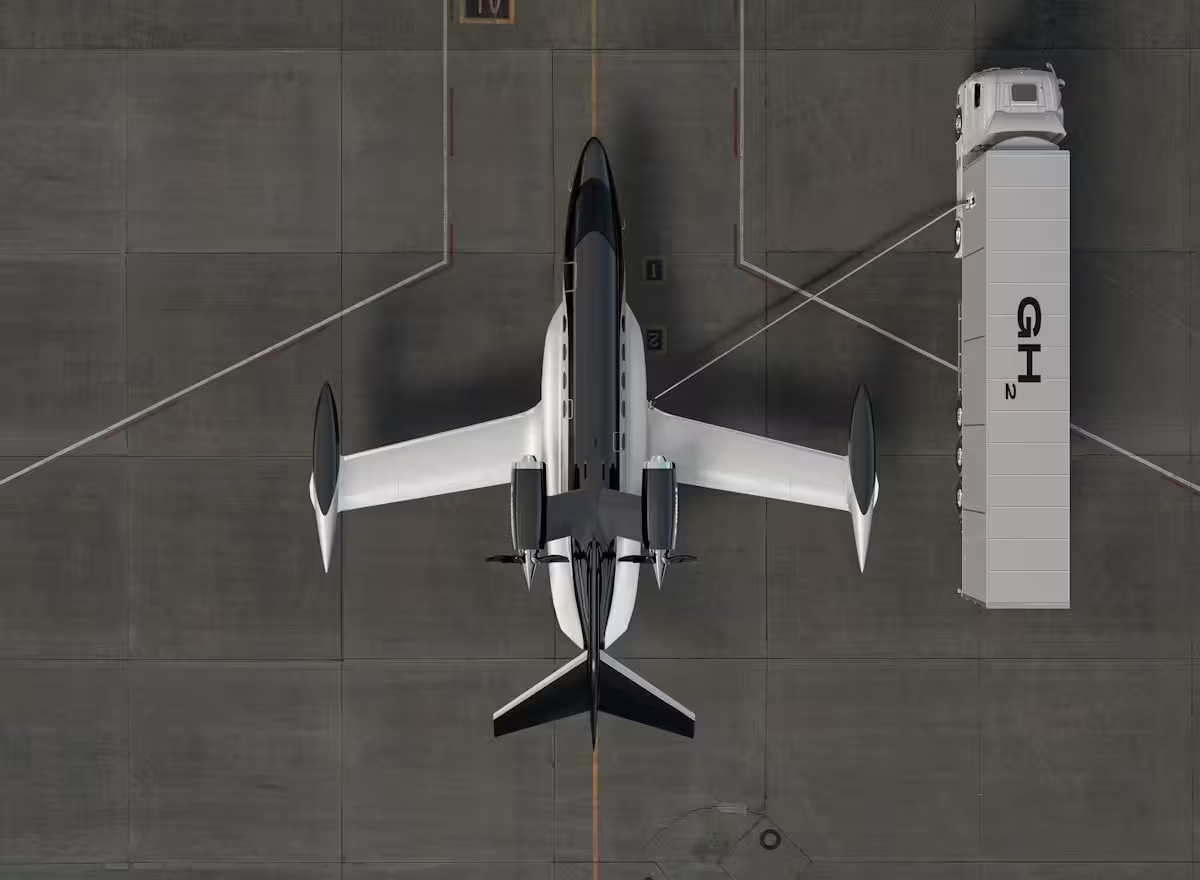
The current plan centers on compressed gaseous hydrogen shipped close to airports and delivered on demand via tube trailers. From there, refueling could happen at a fixed dispenser near aircraft stands or through a mobile refueling vehicle that bridges the dispenser and the plane. It is a pragmatic, incremental approach: start small, learn fast, expand organically. Along the way, the hope is that hydrogen produced for aviation will serve other local uses and seed a broader regional hydrogen ecosystem.
Beyond Aero launched in 2020 and has been methodical since. One is a light business jet for six to eight passengers with an advertised range of up to 800 nautical miles, about 1,500 kilometers. That range, paired with fuel cell propulsion and advanced cooling systems, promises the sort of smooth, low-vibration experience private flyers expect—only quieter and cleaner.

There are technical trade-offs. Hydrogen requires different tanks, new ground handling routines, and training across crews and ground staff. But the company and its airport partner are betting on staged rollouts and close operational feedback. That reduces risk and keeps the focus on real-world reliability rather than laboratory optimism.
Cost assumptions are part of the pitch too. Beyond Aero suggests hydrogen could be substantially cheaper than some alternatives by 2030: they project more than a 60% cost advantage over power-to-liquid sustainable aviation fuel and roughly 17% lower cost than conventional Jet A-1. If those numbers hold, hydrogen would not only cut emissions but also alter operating economics in favor of fuel-cell aircraft.
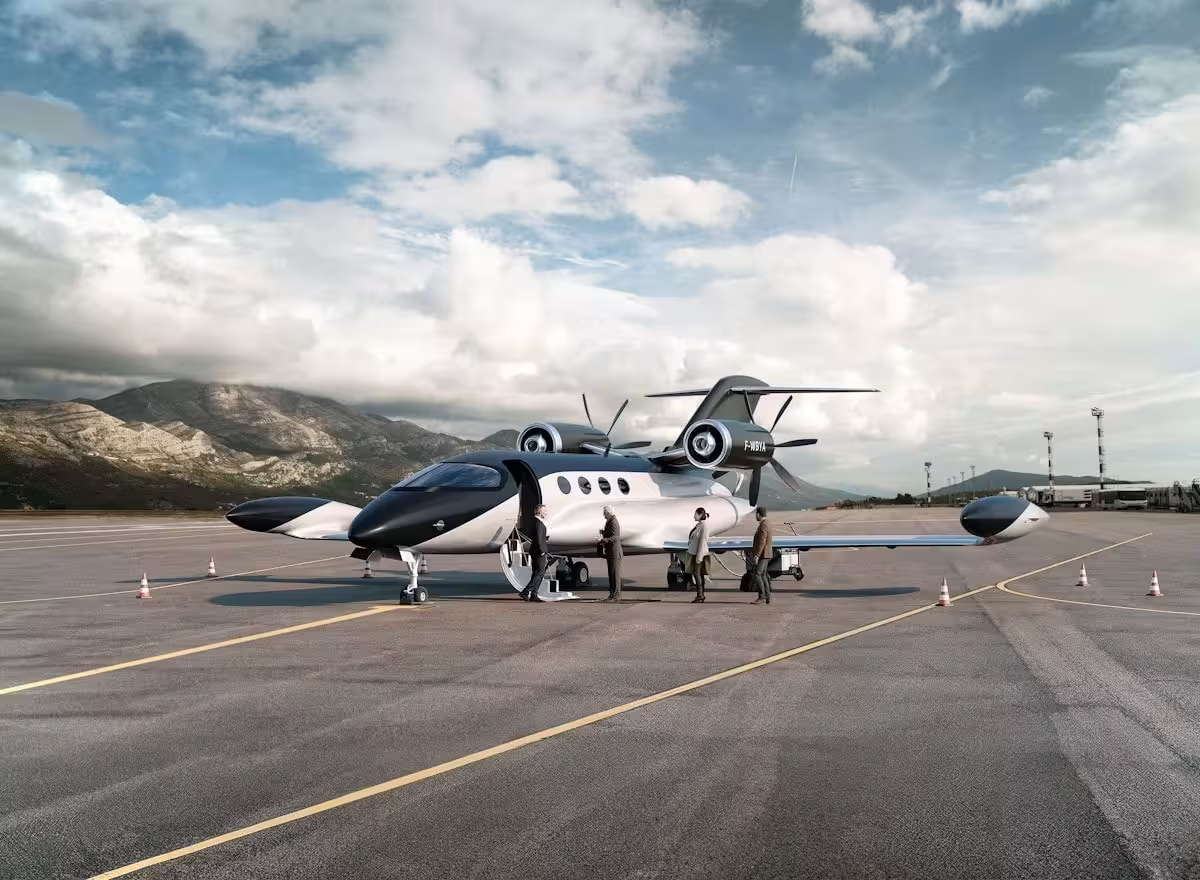
Think of this as a test of whether boutique business aviation can become a proving ground for wider hydrogen adoption. The Riviera offers concentrated demand, predictable routes, and a clientele used to paying for convenience—ideal conditions for an early-stage rollout. If One flies reliably between Nice and Cannes on hydrogen, regulators, handlers and operators will pay attention.
Will certification happen on schedule? Aviation history is full of optimistic timetables. Still, Beyond Aero and Aéroports de la Côte d'Azur are optimistic that certification and initial operations could align with the start of the next decade. The sequence matters: aircraft maturity, ground infrastructure readiness and predictable fuel economics must converge before hydrogen jets can move from demo flights to regular service.
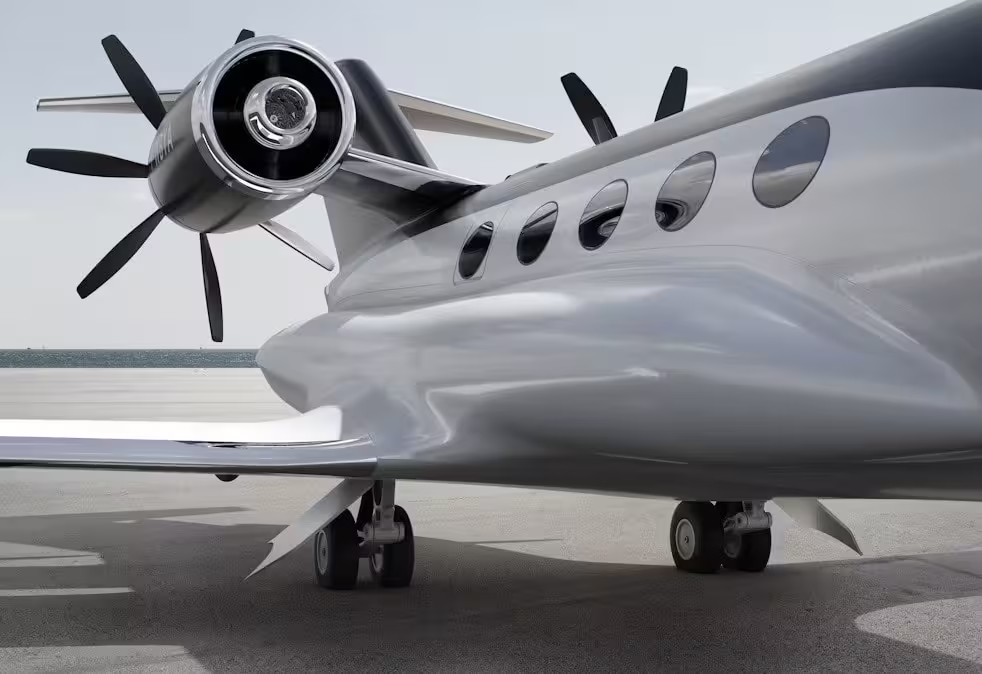
There is a broader takeaway hidden in the details. Sustainable aviation is no longer a single-technology race. Fuel cells, PtL fuels, and hybrid systems will compete and sometimes complement one another. What makes Beyond Aero’s project worth watching is not just the novelty of a hydrogen business jet, but the pragmatic, airport-by-airport plan to make it fly.
Quiet on the tarmac. A small jet prepares to taxi. If everything aligns, that hush will become routine—instead of an oddity—over the Mediterranean skies.

“I cover automotive innovation, electric vehicles, and the future of mobility — where technology meets sustainability.”

Discussion
Leave a Comment
Comments (2)
Feels kinda hypey, 2030 cert timeline? If that's real then airports will be swamped with new procedures. Quick comment, curious tho
Wow, a quiet hydrogen jet over the Riviera? Sounds dreamy but I keep thinking about refueling logistics and safety, yikes. Hope certs don't slip…