
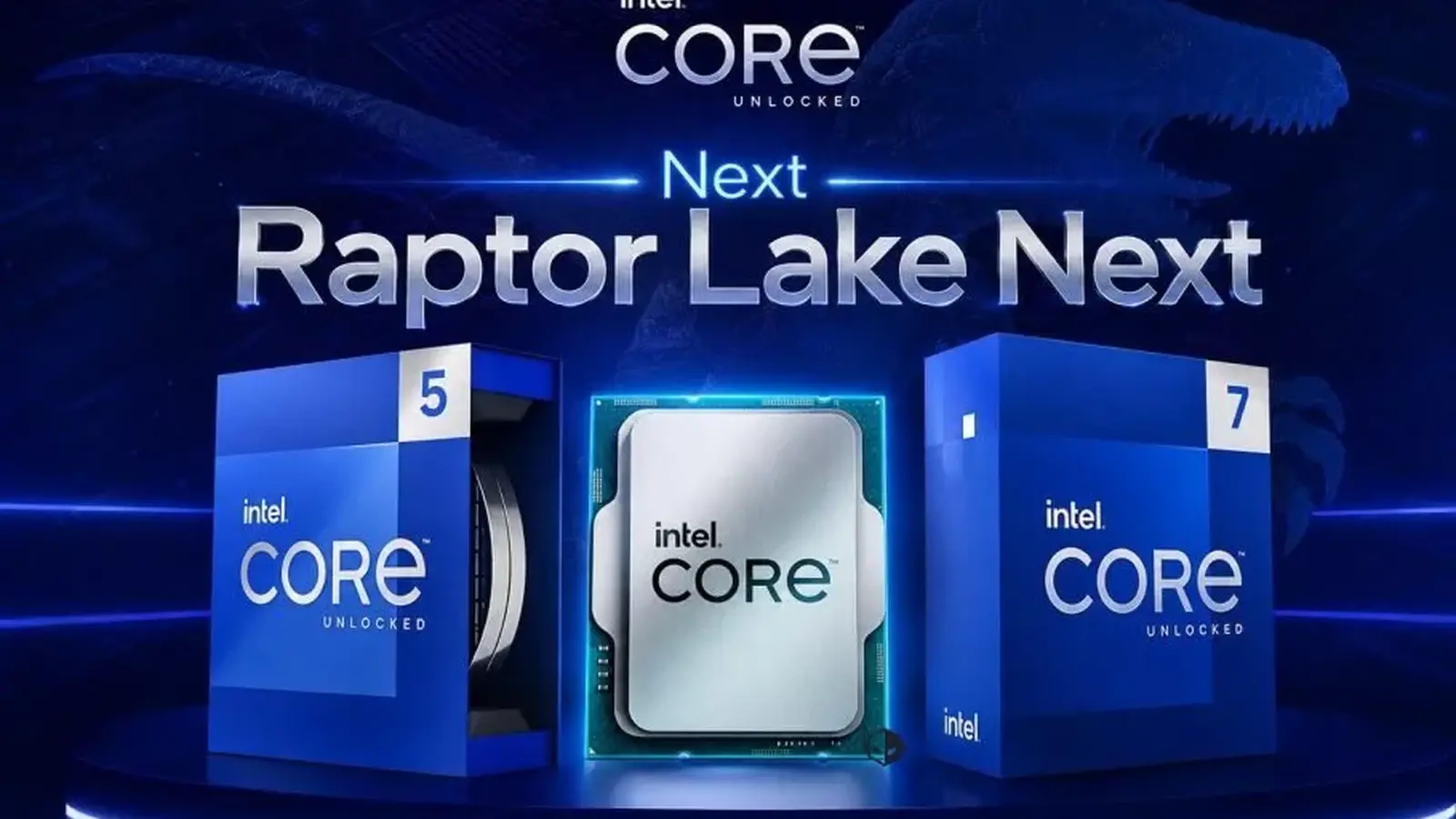
Buy a new CPU and keep your old motherboard. Sounds like a small miracle? Intel is betting that many gamers and value-minded builders will think so.
With next-generation Nova Lake and Zen 6 delayed into early 2027 because of persistent memory shortages, rising component costs, and a stubborn PC market slump, neither Intel nor AMD wants empty shelves. Data center sales are booming thanks to AI, but the desktop market needs options now. That pressure has pushed both firms to rework familiar silicon rather than wait for a clean-slate launch.
Old socket, fresh options
Enter Raptor Lake Next, alternatively called Raptor Lake Refresh. Think of it as the third act for Intel's Raptor Lake family. The basics remain: Intel 7 process, familiar hybrid layout with Raptor Cove performance cores and Gracemont efficiency cores, integrated graphics, and full compatibility with existing LGA 1700 motherboards. In short, you can upgrade the brain without gutting the body.
Why does that matter? LGA 1700 boards support both DDR4 and DDR5. That lets buyers pair a new chip with budget-friendly DDR4 kits today or invest in DDR5 for longer-term headroom. Intel previously pitched a lower-cost HUDIMM DDR5 variant that halves memory channels to save money, but adoption was lukewarm. DDR4 remains the cheap route. DDR5 is the route that ages better.

Intel has also spent the last releases fixing the yield and reliability quirks that dogged early Raptor Lake parts. The result is a product family built around predictability and cost efficiency, not headline-grabbing architecture changes.
Some technical touches deserve a moment of attention. Raptor Lake Next introduces asynchronous cache slices. That means even when certain compute clusters are disabled, the CPU can still harvest L3 cache from the unused die to boost effective cache capacity. At least one model will ship with this trick, and Intel plans to expand the approach in future chips.
Here are the expected desktop lineups:
- Core 7 series: Up to 8 performance cores plus 12 efficiency cores, 65 W TDP.
- Core 5 series: Configurations of 8P+8E and 6P+4E, with 125 W and 65 W variants. Notably, the 6P+4E model ships with 24 MB of L3 thanks to asymmetric cache boosts, up from the usual 20 MB.
- Core 3 series: 4 performance cores, 65 W TDP.
One thing to note: there will be no 12-performance-core part in this family, so don’t expect Bartlett Lake style configurations here. Raptor Lake Next is targeting mid-range and budget segments for both desktops and laptops and should arrive early next year alongside Intel's generational refresh products.
If you want a pragmatic upgrade without a platform overhaul, Raptor Lake Next is the easy choice.
The strategy is simple and human: give users usable upgrades now, keep costs down, and save architectural leaps for a time when memory supply and market demand align. For gamers chasing price-to-performance, this is not glamour. It is practical engineering—and sometimes that is exactly what the market needs.

“I love exploring gadgets, apps, and trends that redefine how we connect, work, and play in a digital world.”

Discussion
Leave a Comment
Comments (2)
Not flashy but smart move. saves money, keeps upgrades sane. DDR4 option is the dealmaker for budget builders. I'll wait for reviews tho
wait, so you can swap a CPU and keep the old board? sounds great, but is that async cache trick actually helping real games or just marketing fluff? curious, bench pls