
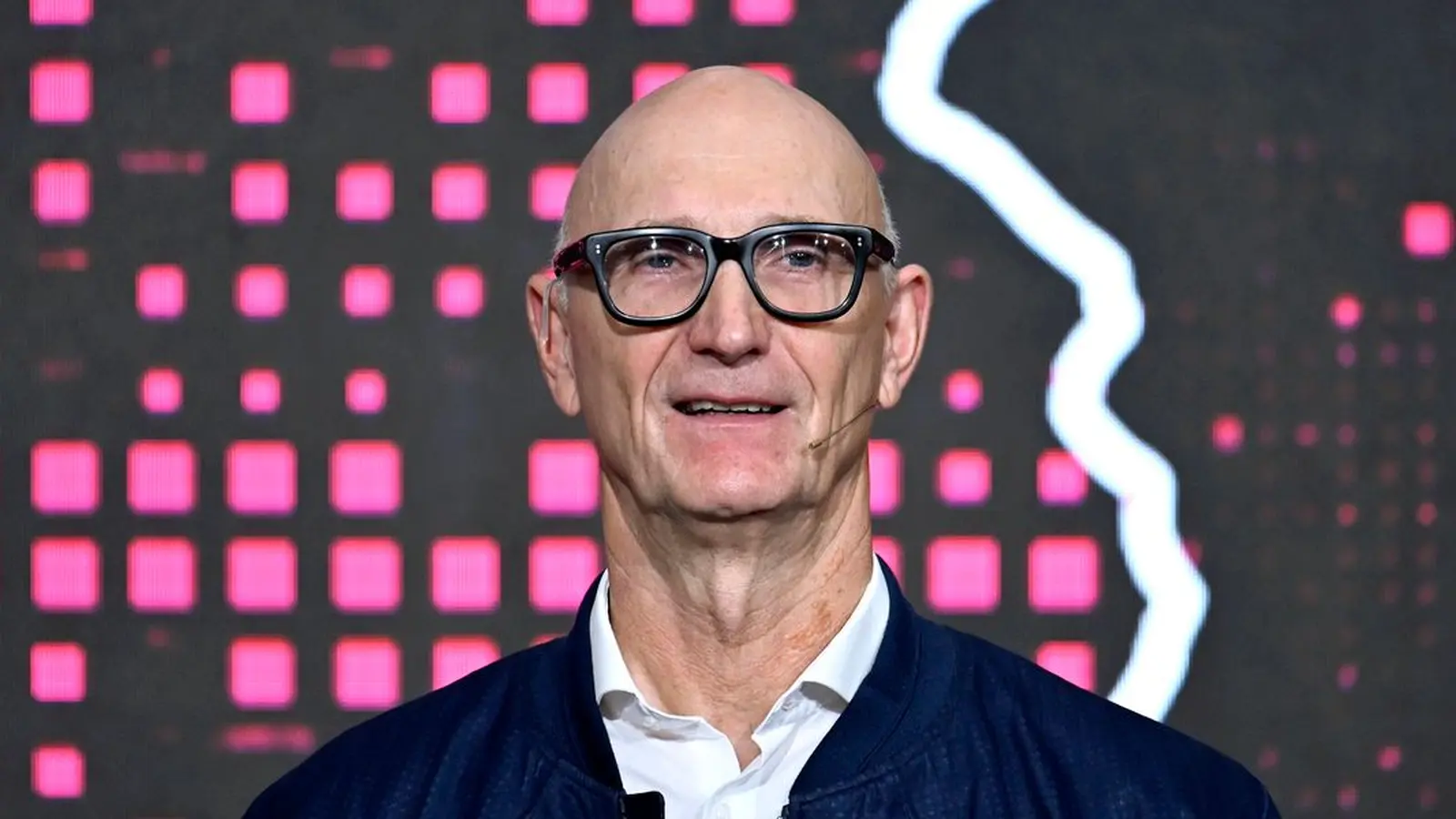
Deutsche Telekom chief executive Tim Höttges said SpaceX would need at least $200 billion in capital to become a major mobile operator in the United States, citing spectrum requirements, tower infrastructure and other network costs. Höttges made the remarks during Deutsche Telekom's financial report on Thursday and framed them as a practical assessment of what it takes to compete with established carriers.
Höttges pointed to the spectrum gap between the companies, saying that Elon Musk's operations have purchased 76 megahertz of spectrum while Deutsche Telekom controls about 400 megahertz. He said gaining a comparable position in spectrum would itself cost billions of dollars. "If he can buy more spectrum in the future, do the math yourself," Höttges said. "To reach such a position in spectrum, billions of dollars are required."
Höttges also set out the tower and equipment challenge. He noted that Deutsche Telekom owns 85,000 towers and said SpaceX could of course lease towers, but that doing so would involve further expense. He estimated an additional 20 to 30 billion dollars would be needed to secure tower access and install antennas. "You can buy antennas, maybe get them cheaper, or build them in new ways, but you need money for that," he said. My assessment shows that SpaceX, if it wants to play in this industry, will need at least $200 billion," Höttges said.
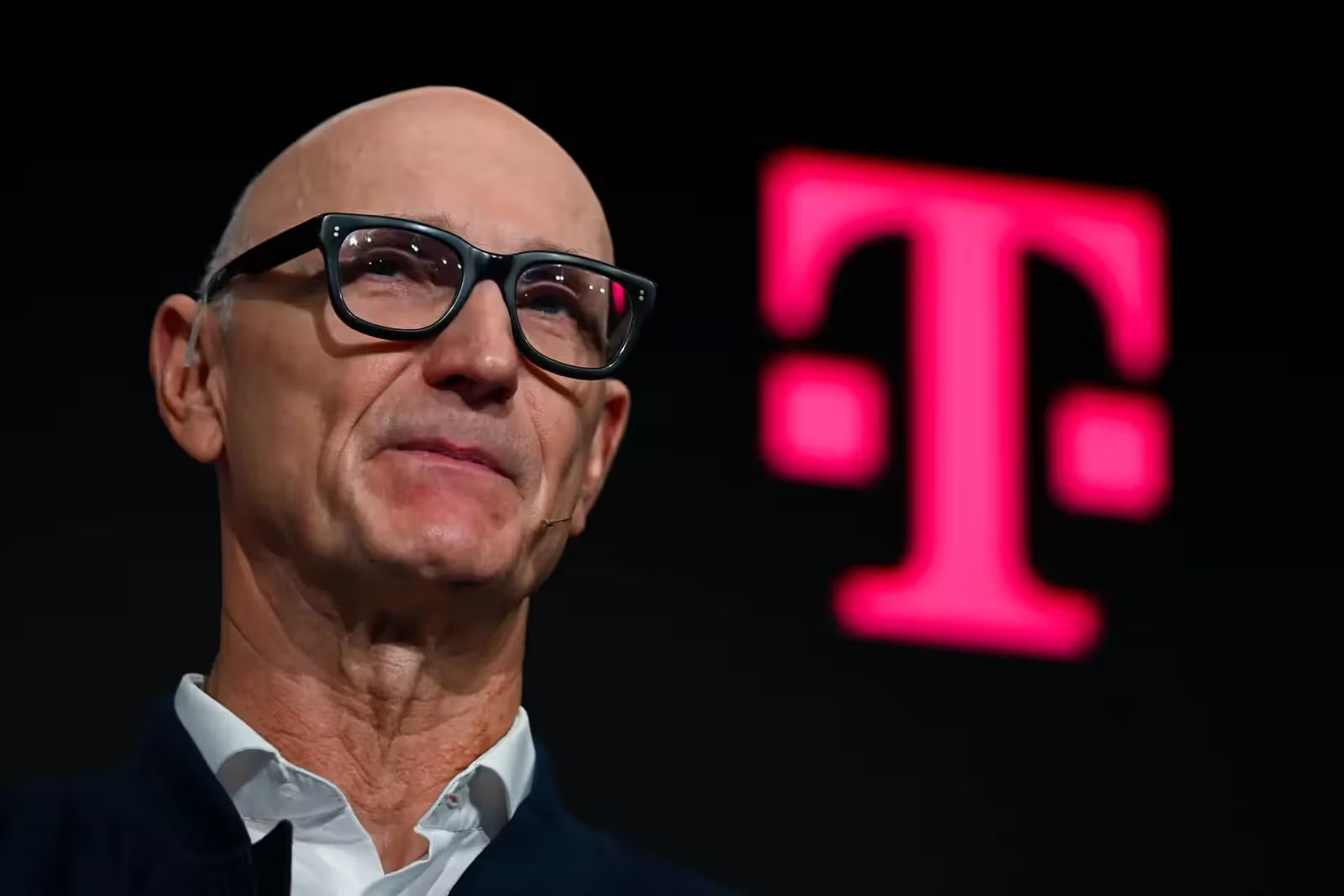
SpaceX last month outlined plans for Starlink Mobile that combine direct-to-phone satellites and terrestrial networks to compete with carriers such as T-Mobile, AT&T and Verizon. Reports and company statements indicate SpaceX is likely to gain access to more than 80,000 telecom towers across the United States and has held talks about buying Boost Mobile. Qualcomm has said SpaceX will use Qualcomm technologies to develop parts of its mobile network infrastructure.
Despite stressing the scale of the investment required, Höttges warned that SpaceX's broader technical and digital assets make the company a serious strategic threat. "He has chips, datacenters, artificial intelligence and satellites," Höttges said. "He may also integrate social networks or at least agent-driven models into his services; he is creating a new way of delivering communications services. That is why I take this extremely seriously, because I saw what happened to the auto industry. They ignored it for a very long time and now we have to face reality. There is no free lunch, as you also see with Tesla in the car industry."

“I love exploring gadgets, apps, and trends that redefine how we connect, work, and play in a digital world.”

Discussion
Leave a Comment
Comments
No comments yet. Be the first.