
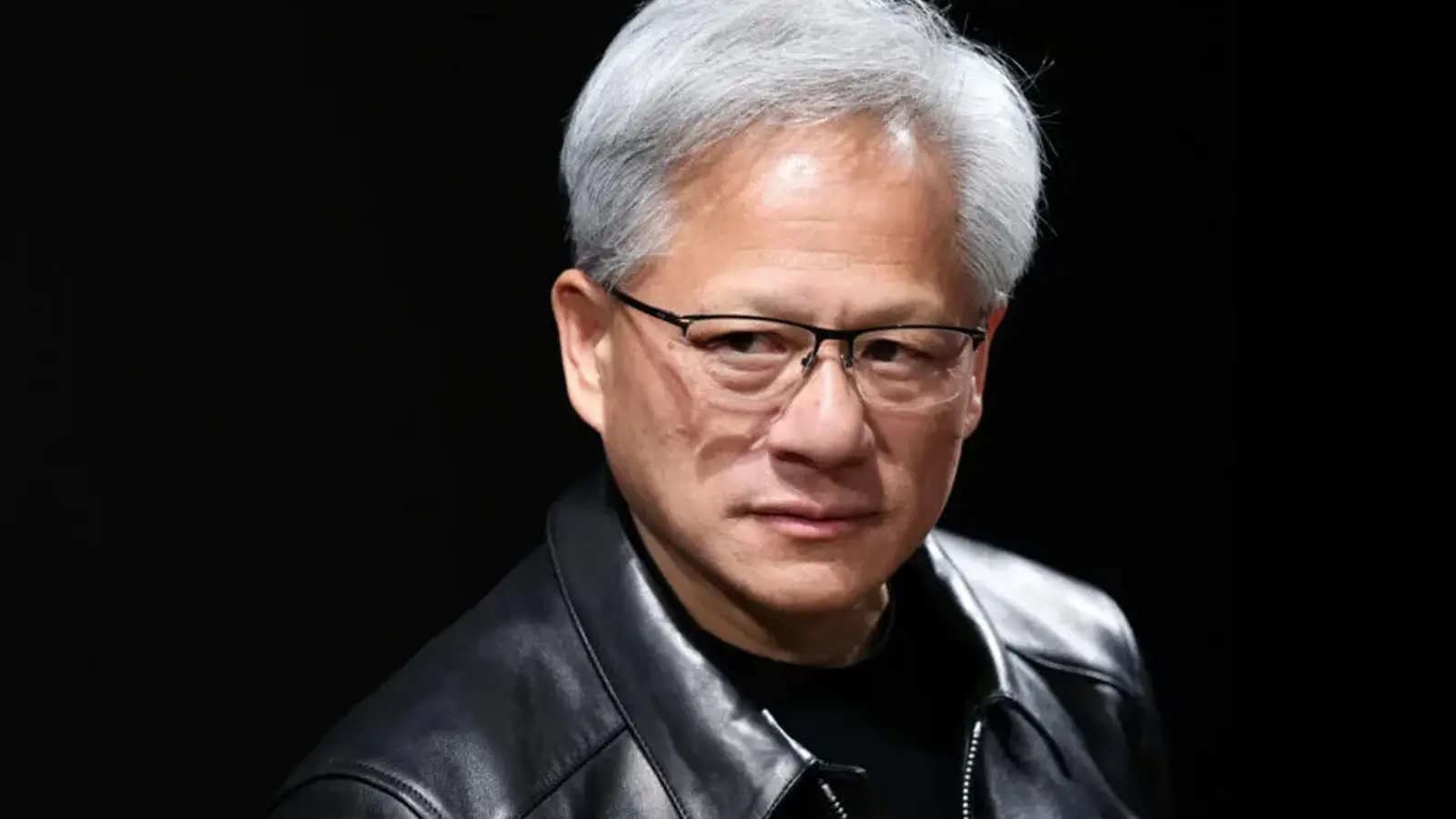
NVIDIA chief executive Jensen Huang warned that the spread of artificial intelligence in classrooms is eroding students' mastery of basic mathematics, while stressing that the shift should not necessarily be a source of alarm. Huang cited a recent study of 26,000 Chinese students in grades seven through twelve showing that AI tools raised homework scores by as much as 18 percent and reduced the time needed to complete tasks by 30 percent, yet coincided with declines in routine and high‑stakes test performance.
Study results: faster homework, weaker test retention
The research Huang referenced followed 26,000 students from grade seven to grade twelve in China. According to the study, use of AI improved assignment scores up to 18 percent and cut task completion time by 30 percent. At the same time, monthly test scores fell by up to 20 percent within six months, and scores on decisive entrance examinations declined by 18 to 24 percent over a two‑year period. Huang summarized these figures as evidence that excessive reliance on automated tools can weaken individual problem‑solving skills and reduce the long‑term retention of foundational knowledge.
Huang acknowledged the trend and translated it into concrete classroom examples. "If you asked a child today to do a long division, you would notice the challenge. The multiplication table is being forgotten, and things like computing square roots are in a similar state. The reality is that basic math is being forgotten," he said.
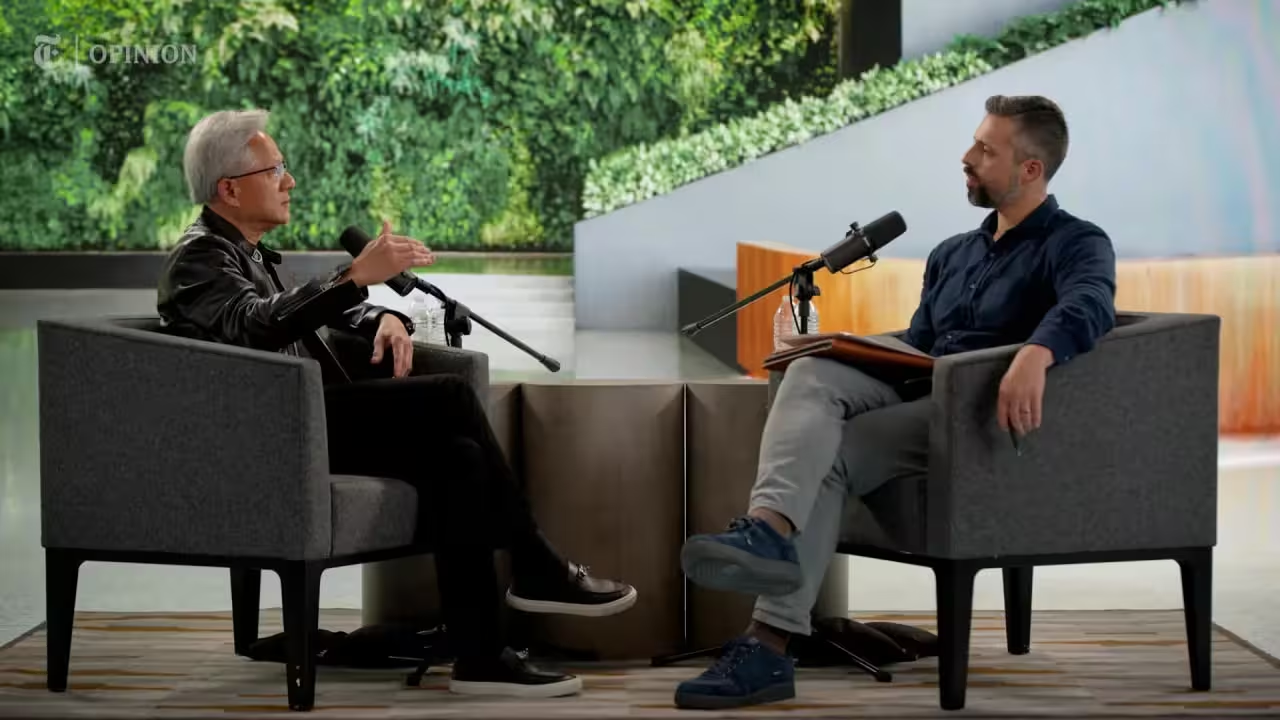
Huang's perspective: an expected technological shift
Despite the decline he described, Huang argued the change is not inherently worrisome. He compared the current moment with earlier technological transitions that displaced older tools and skills. Recalling that calculators were once banned in schools, he said that today a graduate without a personal computer or coding skills would struggle, and that future students will need to learn to interact directly with systems driven by autonomous software agents, a reference to AI systems that can perform tasks with limited human direction.
Huang framed the loss of some basic skills not as a weakening of human intelligence but as a reallocation of cognitive effort toward more complex, higher‑value thinking. He said people will become "systems thinkers," focusing on large‑scale architectures rather than low‑level details. "Modern computer engineers do not need to understand every transistor; they work on system architectures with hundreds of trillions of transistors," he noted, using that contrast to illustrate how professional focus has shifted as technology has advanced.
Huang said he expects the world to discover alternative and more efficient skills for future generations as AI takes over routine calculations, while still acknowledging the measurable declines the study reports.


“I cover emerging technologies, digital innovation, and the intersection of tech and everyday life. My goal is to make complex trends accessible and inspiring.”

Discussion
Leave a Comment
Comments
No comments yet. Be the first.