
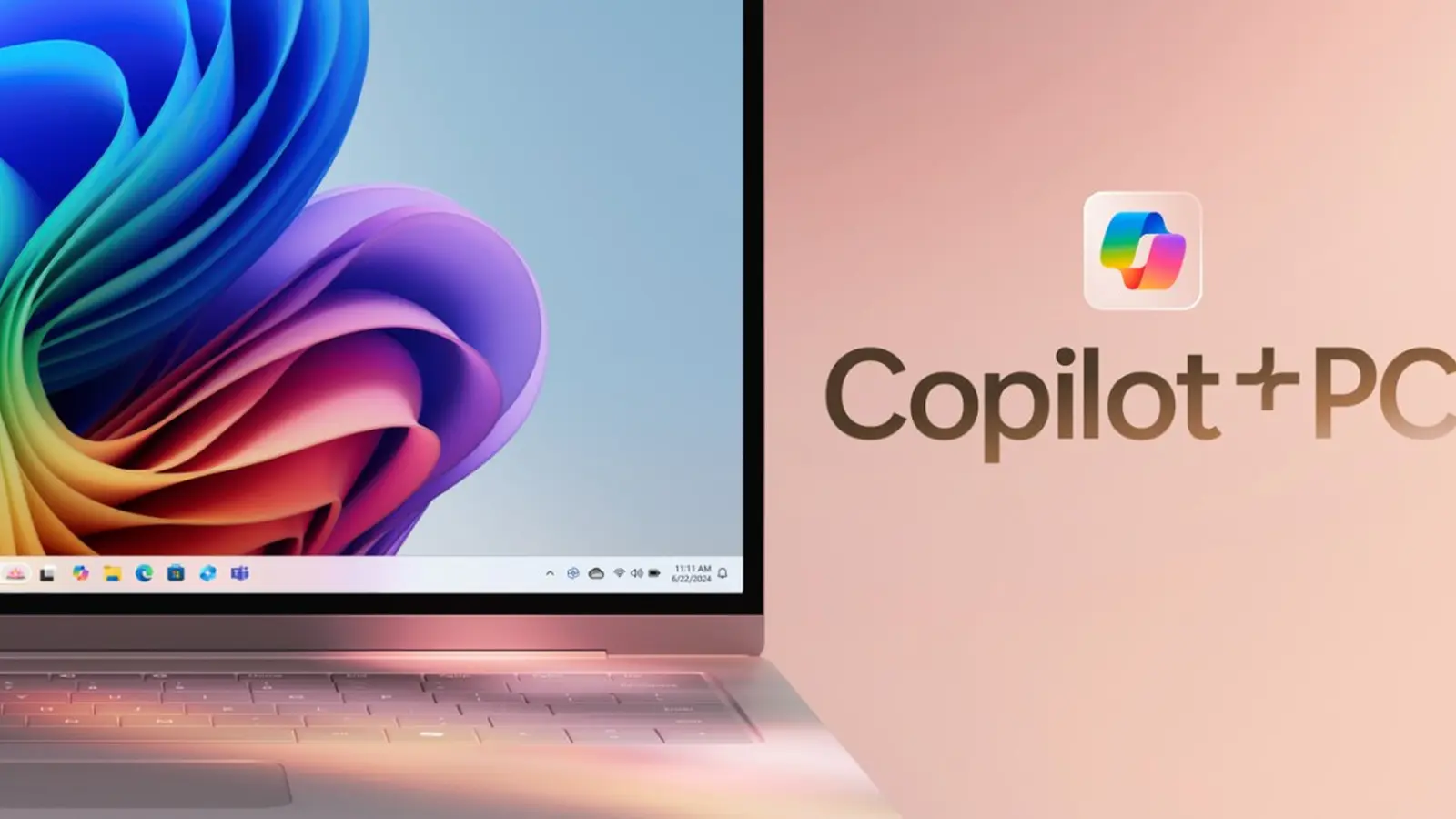
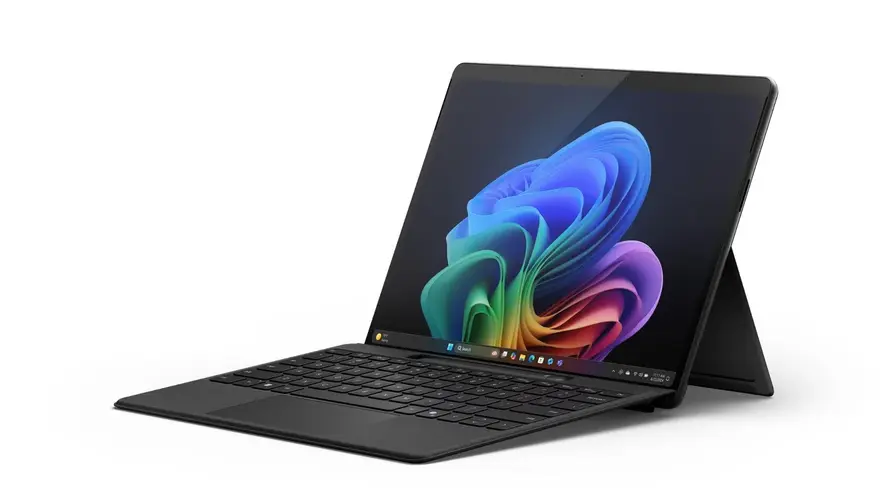
Microsoft and its hardware partners have quietly removed the Copilot+ PC brand from new devices, according to a Windows Central review of Surface models announced in 2026. Unlike machines labeled in 2024 and 2025, the latest devices no longer carry Copilot+ PC on packaging or in marketing; references to compatibility now appear only in technical specifications.
The Copilot+ PC label was launched in 2024 by Microsoft together with Qualcomm as a new hardware category meant to introduce exclusive artificial intelligence features to Windows laptop buyers and to mark a direction for personal computers. Early excitement faded after a prominent issue emerged around a feature called Recall, which was designed to continuously capture images of a user’s activity. Security researchers identified multiple vulnerabilities in how those images and related data were stored, and Microsoft says it delayed the public rollout of Recall and shipped laptops without the feature enabled.
Reputational damage and a marketing shift
The initial security problem with Recall dented the Copilot+ PC brand, and a decline in the popularity of Microsoft’s Copilot assistant among general users further reduced manufacturers’ willingness to put the name on retail packaging. Bret Strom, senior vice president for Surface hardware at Microsoft, said, "These devices are no longer called Copilot+ PCs." He added that the devices still meet the previously defined hardware standards for AI tools and that Microsoft remains focused on delivering hybrid edge-processing solutions. Hybrid edge-processing refers to splitting AI work between local chips and cloud servers to improve performance and privacy.
Kedar Kondap, a senior Qualcomm computing executive, described a similar approach from the chipmaker and noted that the project’s original aim included defining a clear performance target, including achieving 45 TOPS of neural processing performance. TOPS stands for tera-operations per second, a rough measure of how many simple mathematical operations an AI accelerator can perform each second. Kondap said the primary goal was always to enable new compute experiences, and that products without the Copilot+ PC label still provide the same capabilities to buyers.
Windows Central’s checks suggest a broader marketing revision by Microsoft and hardware partners: the Copilot+ name has been scaled back while the underlying hardware requirements and AI features may persist but are now documented in specification sheets rather than highlighted on packaging and product names.

“I cover emerging technologies, digital innovation, and the intersection of tech and everyday life. My goal is to make complex trends accessible and inspiring.”

Discussion
Leave a Comment
Comments
No comments yet. Be the first.