
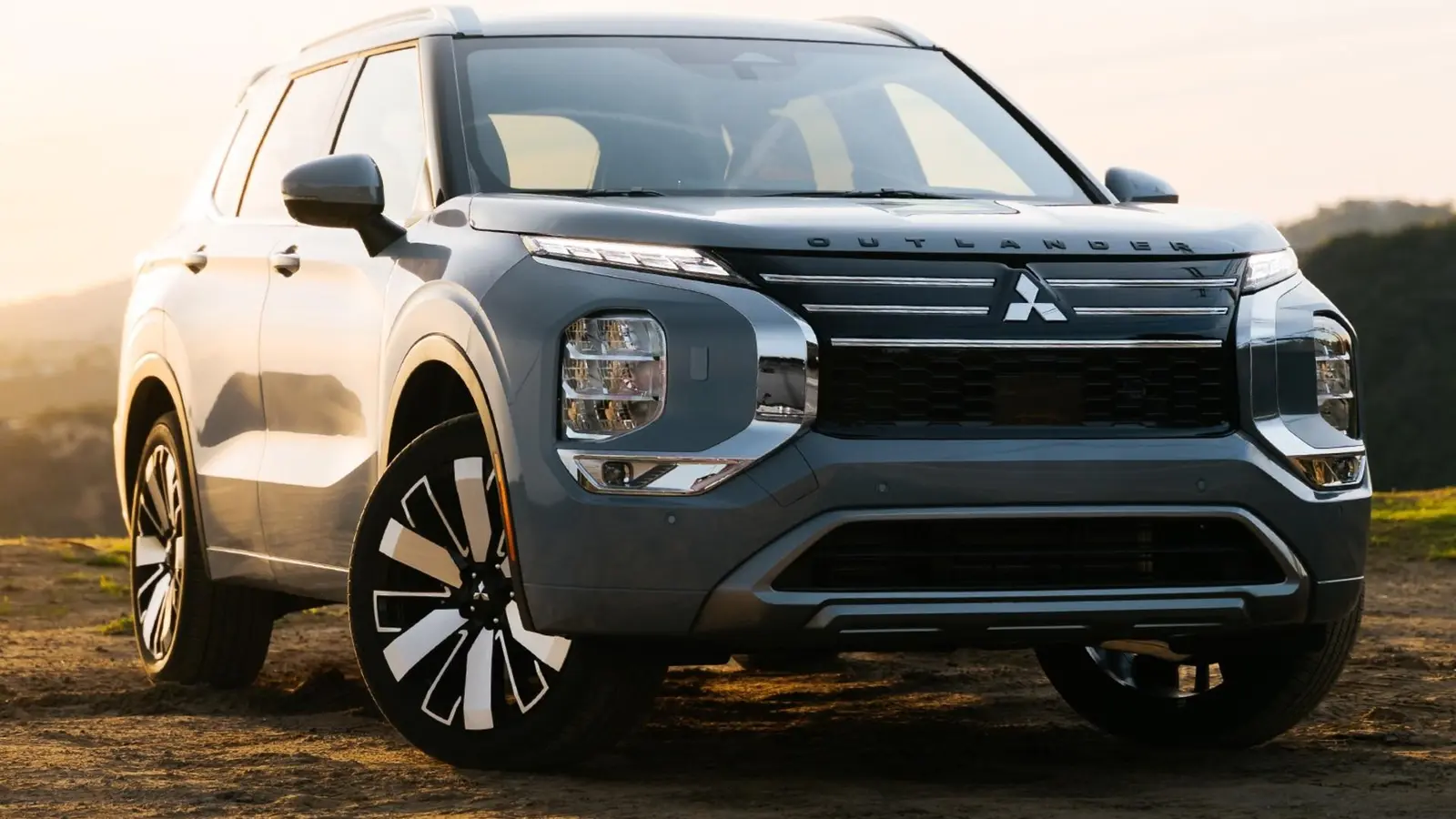
Picture a production line where machines look back. Not robotic arms, but upright, human-shaped helpers moving down aisles once filled by people. That image is becoming Mitsubishi's plan.
Rebooting a factory floor
Faced with a shrinking workforce and pressure to modernize, the Japanese automaker has quietly partnered with Highlanders, a University of Tokyo spinout, to develop and mass-produce humanoid robots. Mitsubishi has already injected capital into the startup and says more funding could follow as development progresses.
The rollout is ambitious. Production will begin in 2027 inside vacant sections of Mitsubishi's Kyoto engine plant, with an initial target of 1,000 units per month. The first generation of robots will handle tasks that demand repetitive strength and steady precision: moving parts, welding, and assembling engines. Simple work, maybe. Vital work, certainly.
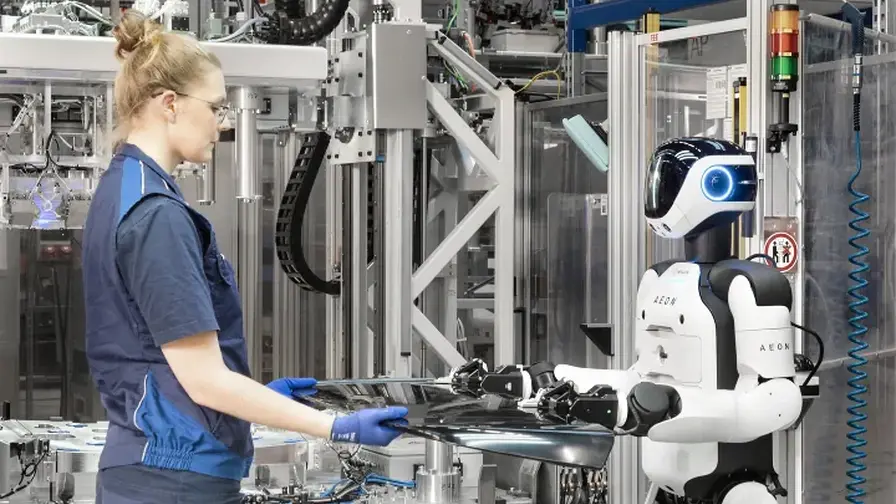
Why humanoid forms? For one thing, they can navigate spaces designed for people without a costly factory redesign. A humanoid can climb steps, reach into existing jigs, and work alongside human colleagues more naturally than a fixed robot arm. It is a pragmatic choice, not a novelty.

Takao Kato, Mitsubishi's CEO, framed the project as a chance to build a new industrial platform where humans and robots work side by side. He sees the move as an opportunity to deepen the company's technical and commercial know-how in humanoid robotics while solving real production bottlenecks at home.
If these machines succeed on Mitsubishi's lines, the company will explore selling them to other manufacturers.
That sales angle matters. Mitsubishi says this is the first known collaboration between an automaker and a robotics company aimed explicitly at mass-producing humanoid workers. Unlike some rivals, the automaker plans to keep manufacturing in-house and leverage its existing automotive supply chain to scale production.
There are questions. How will safety protocols change when two-legged robots share space with humans? What about maintenance, software updates, and long-term reliability on a rough factory floor? Mitsubishi and Highlanders will need to answer all of that before the robots graduate from trial to full deployment.
Still, the project signals a broader trend: carmakers are no longer just building cars. They're rethinking the tools and labor behind every vehicle. If Mitsubishi's bet pays off, we may soon see familiar assembly lines populated by something that looks almost human, doing the heavy lifting while people shift to oversight, quality control, and higher-skill work.
And that raises another question: when the helper walks out of the factory, what will the future of manufacturing look like?

“Cars are evolving faster than ever. I cover electric vehicles, smart mobility, and the future of transportation worldwide.”

Discussion
Leave a Comment
Comments
No comments yet. Be the first.