
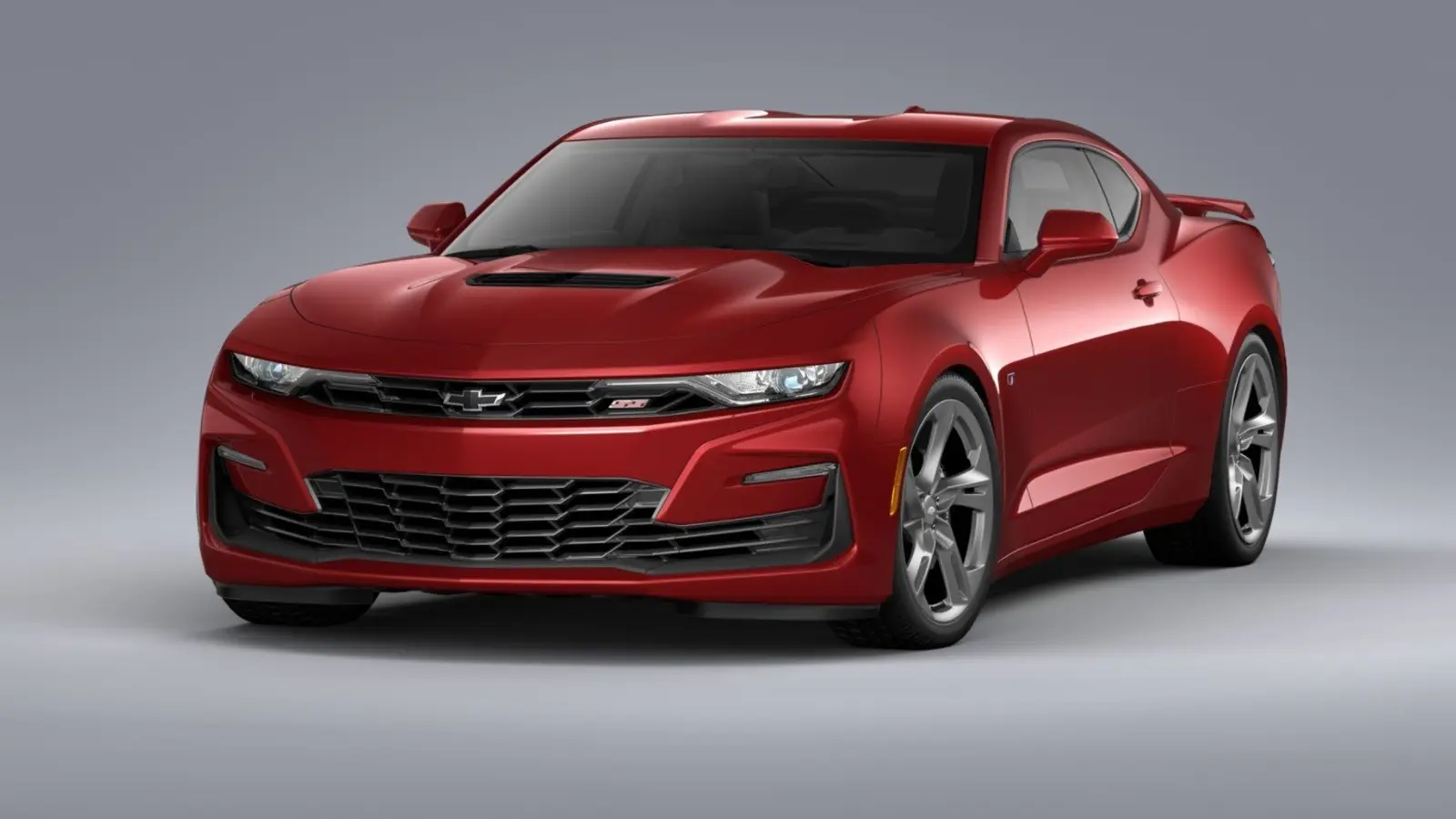
Forget the two-door silhouette that many of us still picture when we hear the name Camaro. General Motors has quietly reset the clock: the seventh-generation Camaro will now arrive as a 2029 model, with a public unveiling expected sometime in 2028.
It’s a small shift on paper. But timing matters. New launches shape dealer ramps, marketing calendars, and even what engineers keep tuning for another winter. Rumors about why GM pushed the debut are thin. What matters more is what hasn’t changed: Chevrolet intends to keep the Camaro loyal to its roots with rear-wheel drive, gasoline engines, and yes, an optional manual gearbox for purists.
Muscle car, reinvented proportions
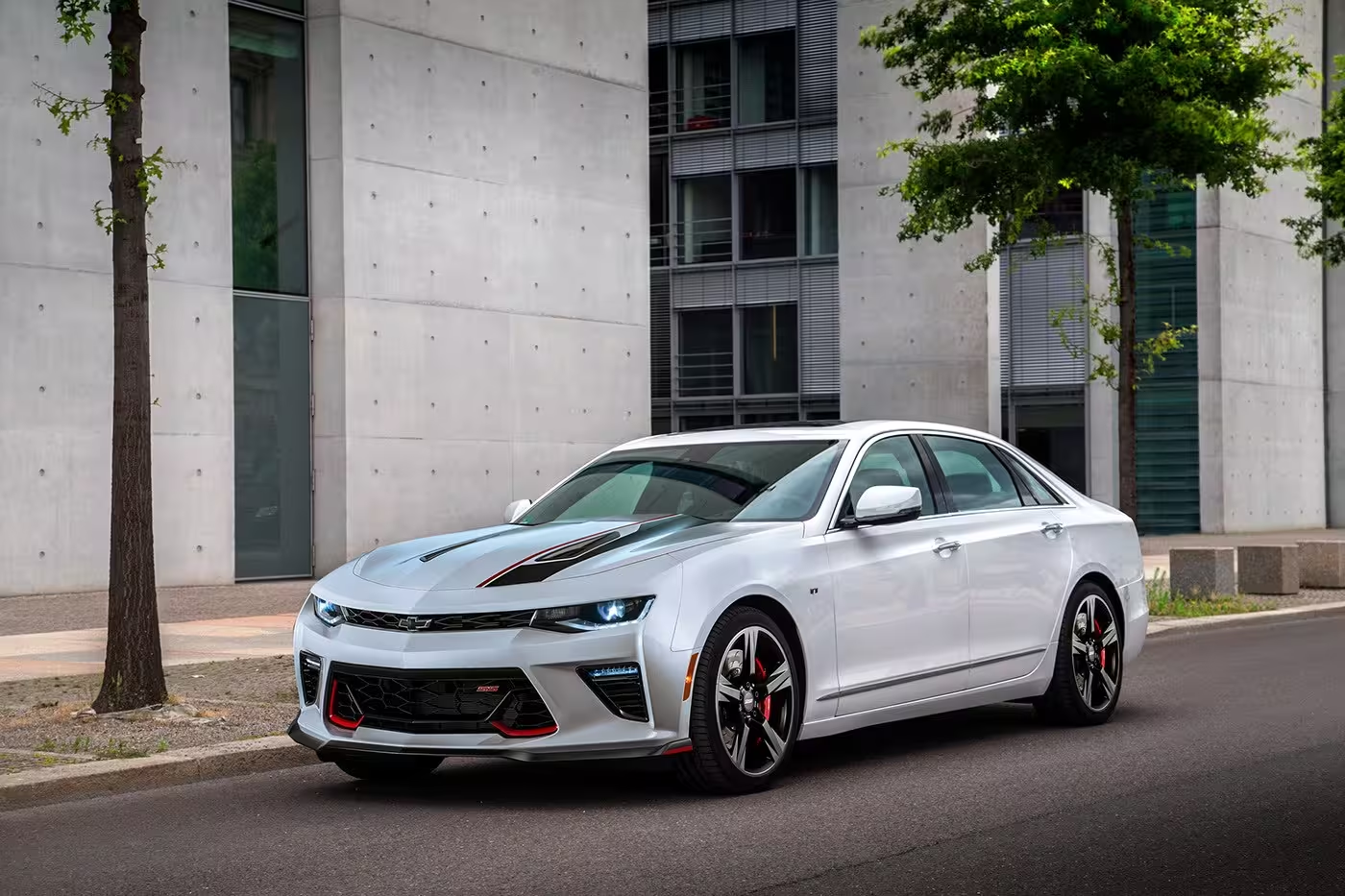
The most headline-grabbing evolution is structural. The incoming Camaro will abandon the classic two-door layout and adopt a four-door coupe silhouette. Think of the stance and attitude of the old pony car, but stretched into mid-size proportions—more Malibu than traditional three-box sedan, but executed with a sleeker, coupe-like roofline. It’s a bold move that echoes other modern reinterpretations of American muscle.
The underpinnings are familiar territory for GM. An updated Alpha 2 rear-wheel-drive architecture will be the foundation, the same backbone slated for the next Cadillac CT5 and an unnamed Buick sedan. Assembly will stay in Michigan, at the Lansing Grand River plant, preserving a link between the Camaro’s legacy and current manufacturing DNA.

Performance fans won’t be left wanting. Chevrolet is planning a high-performance supercharged drivetrain option. Hybridization hasn’t been confirmed in detail, but sources suggest Chevrolet will likely introduce a hybrid variant at some point in the model’s lifecycle—an olive branch to tighter emissions rules and customer demand for better efficiency without erasing the car’s performance character.
Why four doors? Because the market has shifted. Buyers want sportscar attitude with usable back seats. The Dodge Charger has trod this path successfully in the past, trading a two-door past for four-door practicality for many years. The Camaro’s reinvention is an attempt to keep its trademark aggression while broadening its appeal.

Still, this is a Camaro by pedigree. The name first appeared in 1967 to take on the Ford Mustang and grew into a staple of American performance through multiple generations. Production paused in 2002 and then returned in 2010. The most recent run ended in 2024, and sales trends played a part in that decision. While the Camaro once moved more than 80,000 units a year in the early 2010s, its numbers slipped below 30,000 annually in the 2020s. Between 2020 and 2024, Camaro sales totaled 113,207 cars.

Reintroducing the Camaro in a new shape is a risk. It’s also pragmatic. Muscle-car buyers now expect modern comfort, tech, and everyday usability alongside raw acceleration. By stretching the Camaro into four doors and mid-size dimensions, Chevrolet is betting it can keep the name’s cachet while making the car fit into more garages and into more shoppers’ lives.
Expect the conversation to accelerate in 2028 when Chevrolet shows the car publicly. Until then, enthusiasts will debate proportions, tuning, and whether a four-door badge can ever capture the emotional punch of the classic pony car. One thing is clear: the Camaro’s story is far from finished. It’s merely turning a new page.

“I cover automotive innovation, electric vehicles, and the future of mobility — where technology meets sustainability.”

Discussion
Leave a Comment
Comments (2)
Whoa, surprised but kinda hyped! A modern muscle with 4 doors might actually work, if they dont neuter the soundtrack... fingers crossed
4-door Camaro? really? I get the logic but can a car with back seats still hit like old Camaros... sounds weird. hope they keep the manual, tho