
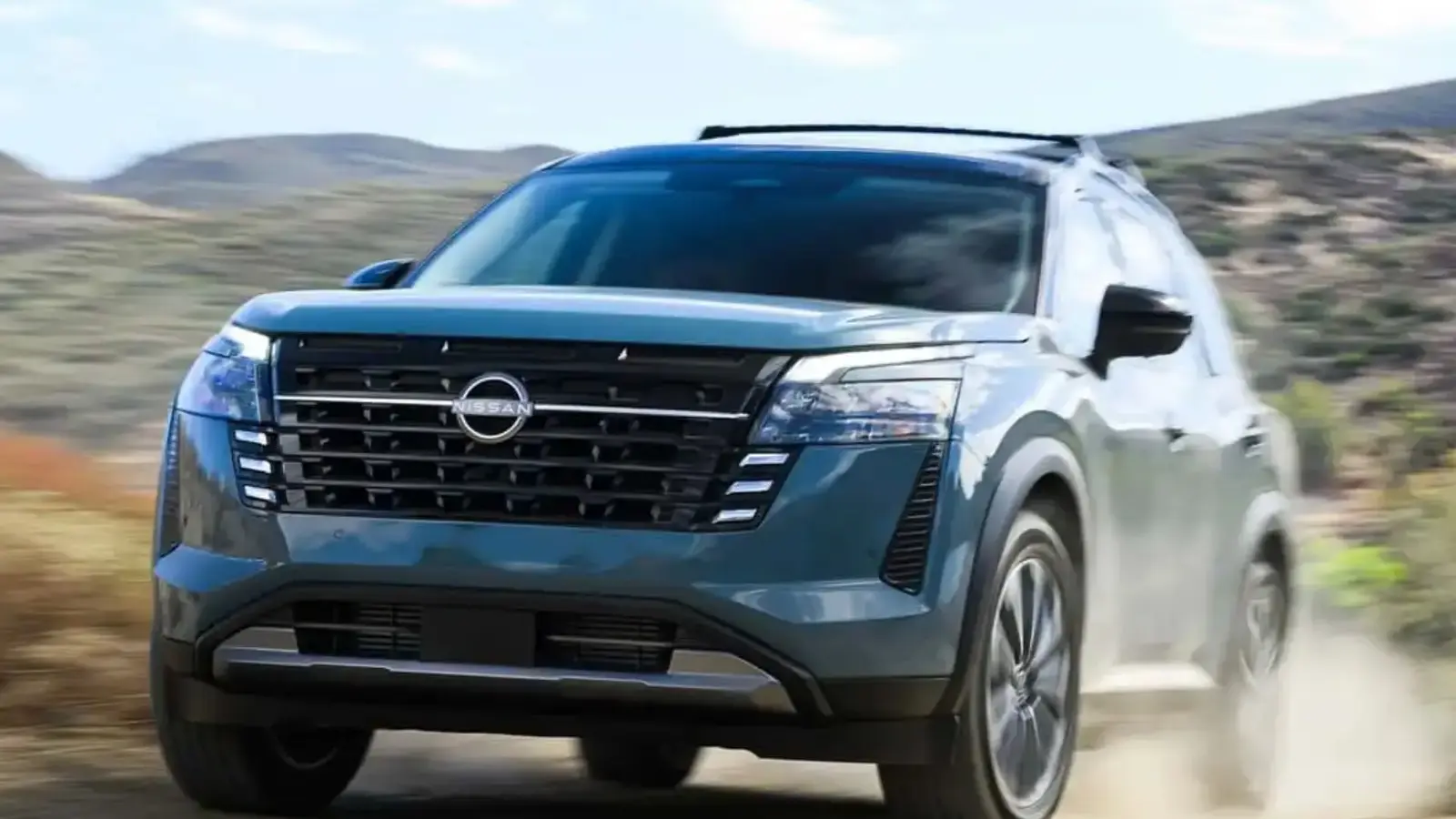
Picture a design studio where clay models used to sit for months. Now imagine the same space humming with simulations, decisions made in hours, and a production line that used to be a distant promise arriving in two years. That is the new rhythm Nissan says it has found.
Learning from speed: China’s influence and Nissan’s gamble
Can a legacy automaker sprint like a startup? Nissan thinks so. The company says it has slashed its vehicle development cycle from 55 months to 26 months by borrowing techniques popularized by fast-moving Chinese brands and folding artificial intelligence across the process. The result, Nissan claims, is a quicker path from sketch to showroom without losing the finish and quality buyers expect.
Ivan Espinoza, Nissan’s head of operations, has confirmed this new approach is already being tested on the next-generation Skyline, which is slated to hit dealers this coming winter. That alone signals a cultural shift: what used to be a multi-year evolution is now a compressed sprint.
The move is not just cosmetic. Nissan aims to apply these methods to 90 percent of its vehicle projects by fiscal 2026. To speed up local integration and market fit, the automaker has been working with Chinese partner Dongfeng to tap regional technologies and supply-chain know-how.

Where AI actually changed the workflow
AI is not a buzzword here. Nissan lists practical changes that account for the time savings. Quick modeling replaces slow iterations. Virtual tests replace many hang-on-the-wall trials. Data replaces layers of managerial sign-offs. The steps include:
- Design: rapid AI-driven 3D modeling that optimizes both aerodynamics and aesthetics early in the cycle.
- Testing: more than 60 percent of physical tests moved into virtual simulation, cutting lab backlog and prototype churn.
- Decision making: centralized analytics that speed approvals and let teams react faster to market feedback.
- Supply chain: predictive analytics to anticipate parts demand and reduce sourcing bottlenecks.
One practical success story: the all-electric N7. Launched in spring 2025 as a proof of concept, Nissan says the N7 reached production in just two years—an outcome the company considers validation of its new playbook.
Still, there are skeptics. Nissan’s China sales figures illustrate the pressure. In May 2026 the company sold 30,025 cars in China, a drop of 41.1 percent year over year. Some analysts argue that even a 26-month cycle may not be fast enough in markets where rivals shave development time to 18 months using modular “skateboard” platforms and vertically integrated supply chains. CATL and other firms pushing skateboard chassis are often cited as examples of that faster pace.
So where does Nissan stand? It is in transition. Speed matters, but so does execution. Shorter cycles can cut costs and let a brand respond to trends, but only if quality and reliability follow. Nissan’s experiment mixes new tools with old discipline. That balance will determine whether this is a true breakthrough or an uneasy truce between heritage processes and modern velocity.
The race for faster EV development is underway. Nissan has moved from hesitation to action. Now the industry will watch whether the Skyline and N7 become models to emulate or cautionary tales about pushing timelines too hard.

“Cars are evolving faster than ever. I cover electric vehicles, smart mobility, and the future of transportation worldwide.”

Discussion
Leave a Comment
Comments (2)
I helped run sims like this, they cut weeks off dev but org resistance is real, watch execs panic lol
26 months? Really? Seems doable but can they keep quality, reliability and parts supply? sounds risky...