
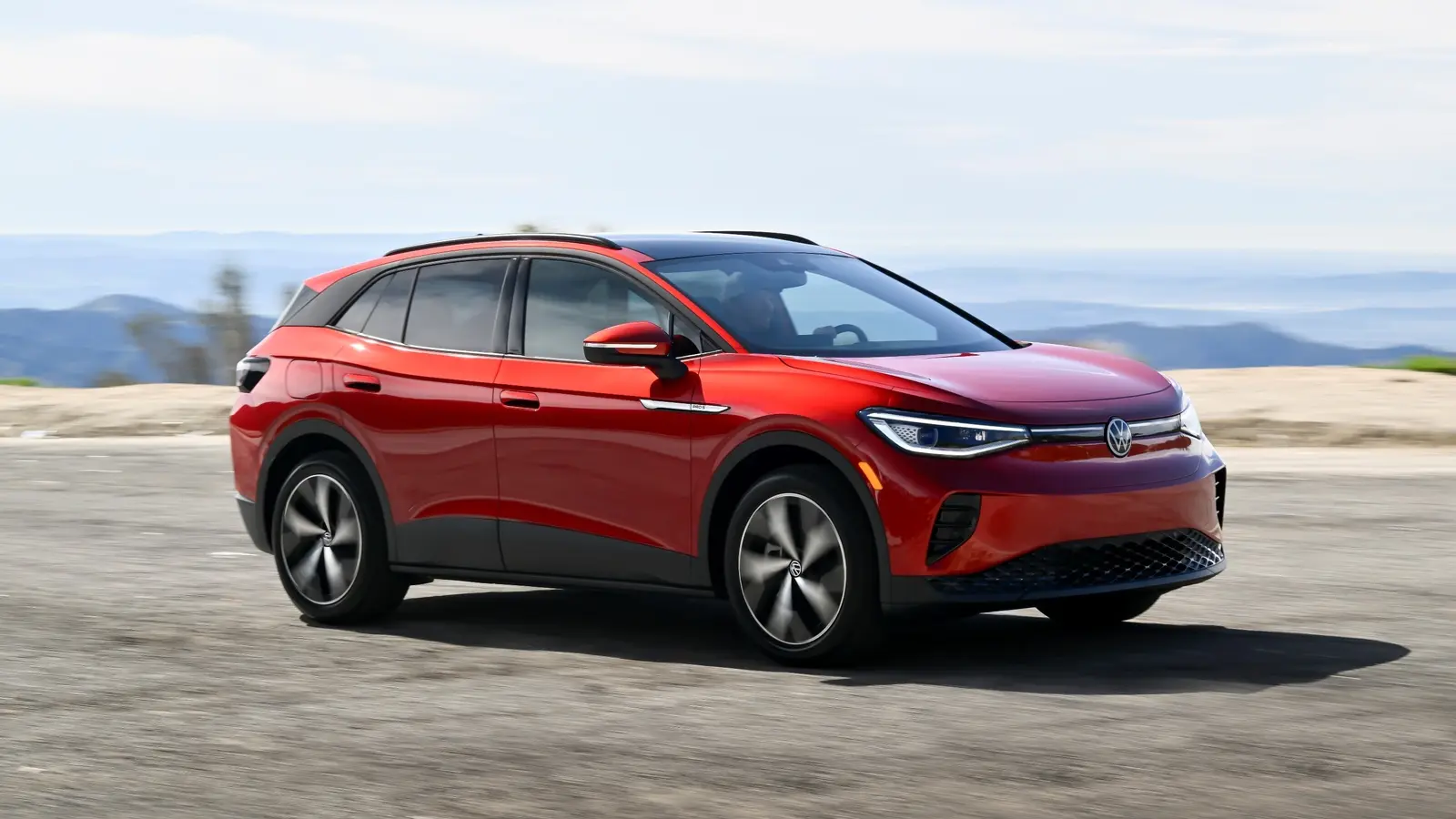
Walk the streets of Oslo in August and you would be forgiven for thinking petrol was a thing of folklore. New-car registrations tell the same story: battery-electric vehicles claimed 98.7 percent of new sales that month, a jump from 96.9 percent a year earlier.
Put another way: of 13,451 cars newly registered in August 2026, 13,274 were pure electric. The remaining field of 177 included 30 petrol-only, 64 diesel and 83 hybrids or plug-in hybrids. Those numbers make the decline of combustion not gradual so much as dramatic.
Market momentum, and the story behind the headline
Year-to-date figures are no less striking. From January through August, electrics accounted for 97.8 percent of all new passenger-car registrations, up from 94.5 percent in the same period last year. Norway has not simply tipped toward electric; it has built an ecosystem where other drivetrains are rapidly losing footholds.
That said, the total national fleet still carries many conventional cars. The real emission wins depend on scrappage and turnover—how fast older petrol and diesel vehicles are driven off the road. As Geir Inge Stokke at OFV has noted, cutting CO2 and NOx will rely less on new sales and more on what happens to the existing stock.

There’s another subplot hiding in the data: used-car movements. The Norwegian Road Federation logged 43,348 ownership transfers in August, a 1.2 percent dip from a year ago, yet a 6.5 percent rise in year-to-date terms. New and used markets are diverging; the secondhand scene is moving to its own rhythm while new registrations surge electric.
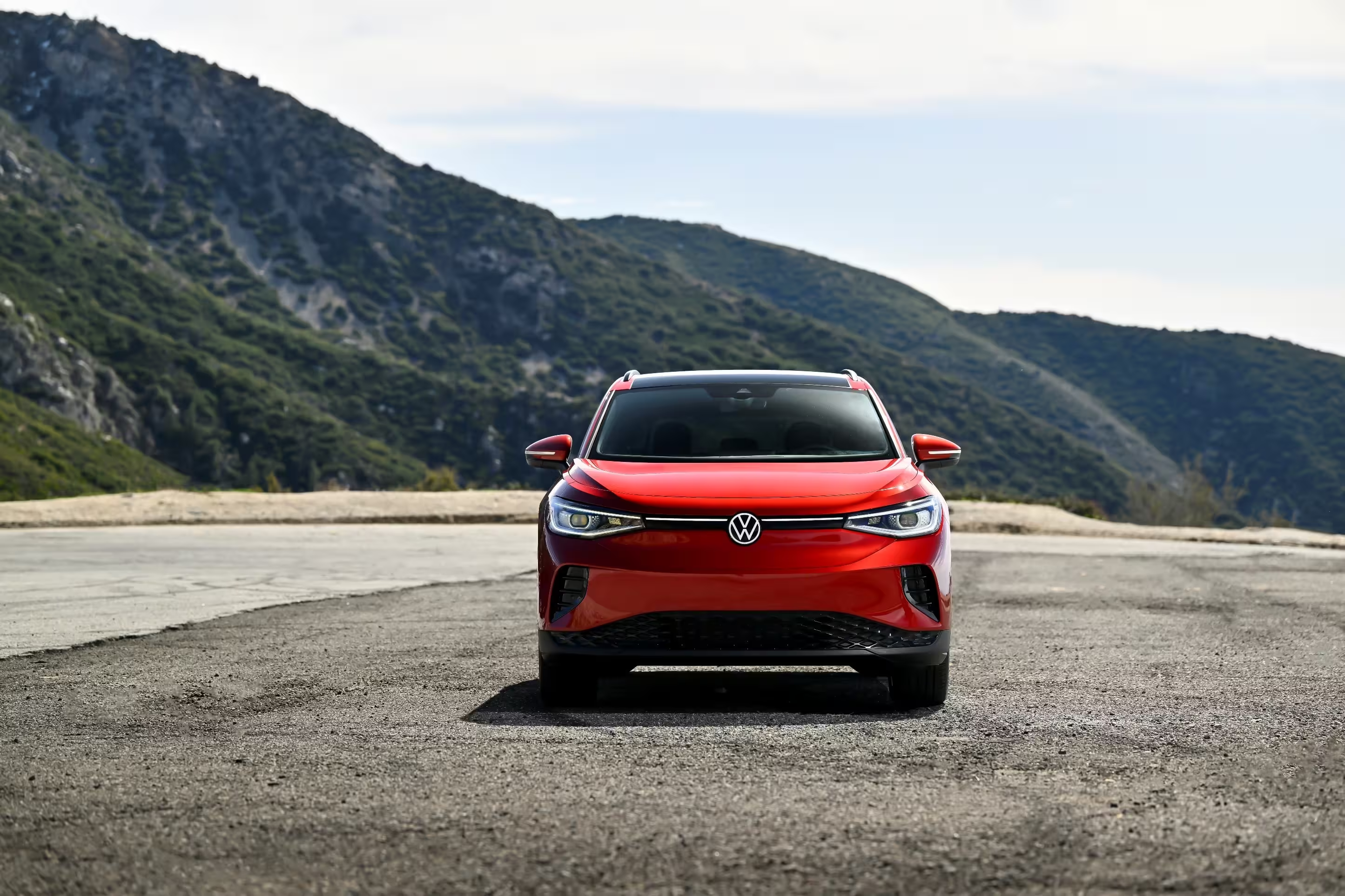
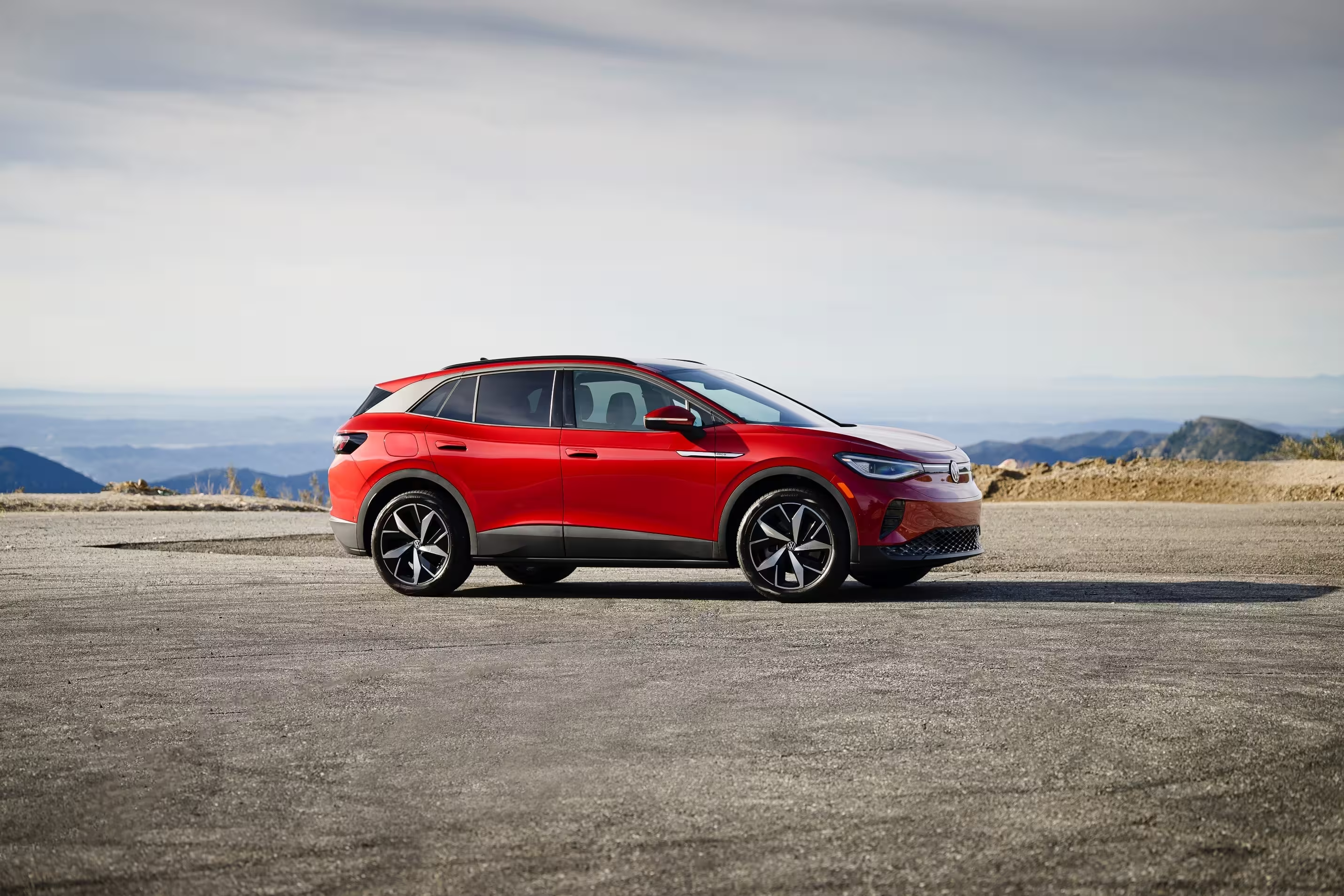
Brand battles are changing because the powertrain question has largely been settled. Volkswagen emerged as August’s big winner, while Toyota, BMW, Volvo and XPENG all posted notable growth. Models tell the tale, too: the VW ID.4 led registrations, followed by Toyota’s bZ4X and BMW’s redesigned iX3.
Why does the iX3 matter beyond its podium finish? It carries BMW’s sixth-generation eDrive technology, a drivetrain architecture destined for dozens of future models and facelifts through the decade. That makes it less a single success and more a harbinger of what’s coming.
Tesla provides a more conflicted chapter. The brand remains the largest on a year-to-date basis, but August showed cracks: Tesla registered 2,387 fewer cars than it did in August last year, while all other brands combined added 1,921 registrations. Tesla’s losses were larger than the gains across the rest of the market, and that shortfall was enough to pull overall new registrations down for the month.

Competition is tightening. Toyota has closed the gap to Tesla, and Chinese players are accelerating. XPENG and BYD together captured 11.4 percent of August’s market, up from 4.9 percent a year earlier. That is rapid share gain—one that changes conversations at executive briefings and dealer forecourts alike.
Norway’s example is blunt and instructive. Policy, incentives, charging networks and buyer preferences have combined to create a near‑all-electric new-car market. But the real work—shrinking the older, fossil-fuelled fleet—remains. For now, though, the new-car landscape looks almost unrecognisable compared with even a few years ago.

“I cover automotive innovation, electric vehicles, and the future of mobility — where technology meets sustainability.”

Discussion
Leave a Comment
Comments (2)
Wow, Oslo must feel like the future, petrol gone almost overnight. Curious tho, will old diesels stick around for years or vanish fast, I hope quick
Is this even true? 98.7% electric in Aug... sounds unreal. But what about the older fleet, exports, winter range issues and used car flows? Norway is special, no?