
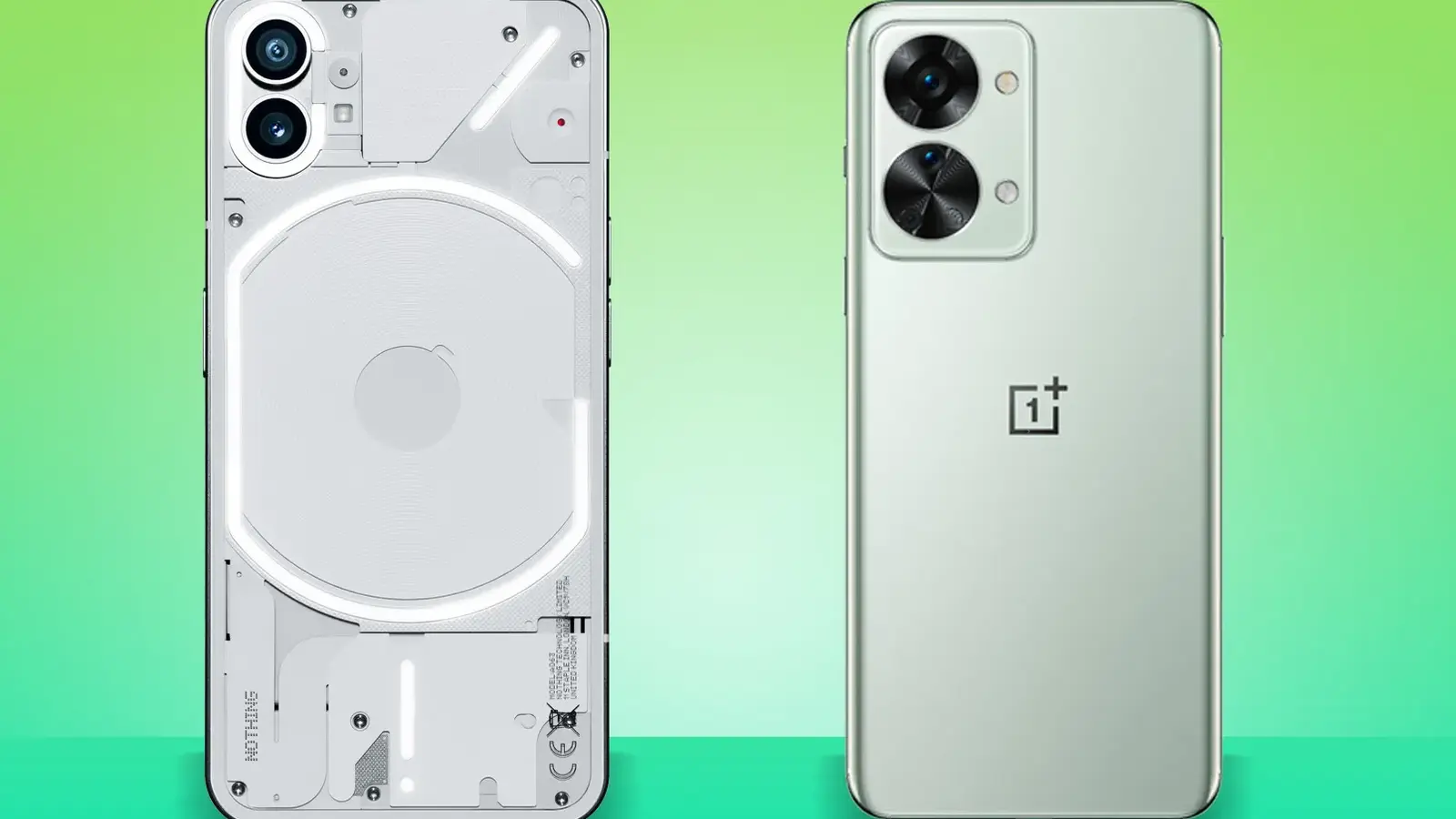
Imagine launching a phone and watching the headlines without seeing sales climb. That’s where Nothing finds itself. A brand that mastered online buzz now faces a very plain problem: scale. According to a fresh report, the company plans to withdraw from at least 12 global markets, including parts of Europe, the Middle East, and Japan.
When hype meets hard numbers
Layoffs are part of the fallout. The report says Nothing will cut about 40% of its staff overall. Research and development teams are taking the brunt — around half in China and roughly 30 to 40 percent in London. Those are deep trims for a company that has relied heavily on design and community-driven marketing.
What forced the decision? A messy mix. Memory chip prices are rising, squeezing margins just as competition intensifies. For smaller brands that sell into the mass market, a few euros of component cost can be fatal to the business model. Nothing isn’t unique here; it’s simply more exposed.

And the sales figures don’t help. The Nothing Phone (4b) is reported to have moved only about 20,000 units since launch. Its siblings, the Phone (4a) and Phone (4a) Pro, together account for roughly 150,000 units. Those totals are respectable for an enthusiast brand, but tiny in the global smartphone market. Tiny means vulnerability.
- Markets affected: at least 12, including parts of Europe, the Middle East, and Japan
- Workforce reduction: about 40% overall
- R&D layoffs: ~50% in China, ~30–40% in London
- Recent sales: ~20,000 units for Phone (4b); ~150,000 combined for 4a models
There is a pivot, though. India looks like Nothing’s safe harbor. The brand was the fastest-growing smartphone maker there in the second quarter, a rare bright spot. Concentrating resources on markets where a product gains traction is sensible. It’s also what survival looks like when expansion outpaces unit economics.
Still, this moment exposes a broader truth about modern hardware startups: media attention and product design can build excitement, but they do not guarantee sustainable sales or healthy margins. Component cost swings can flip the math overnight.
For Nothing, the next chapter will be about pruning ambition to match reality and doubling down where the numbers actually work.


“I cover emerging technologies, digital innovation, and the intersection of tech and everyday life. My goal is to make complex trends accessible and inspiring.”

Discussion
Leave a Comment
Comments
No comments yet. Be the first.