
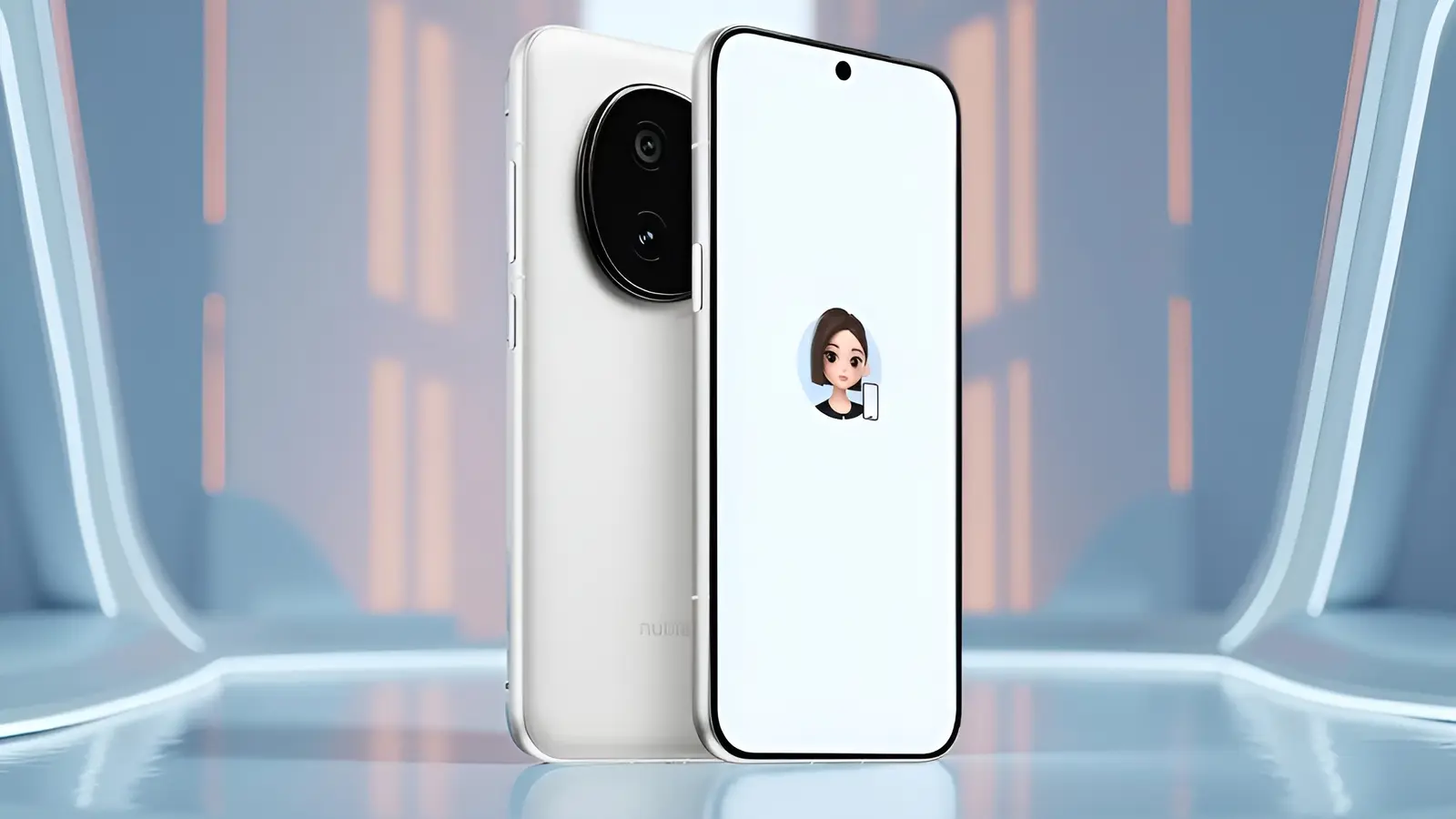
When the lights rise at the World Artificial Intelligence Conference in Shanghai this July, Nubia wants more than applause. It wants to change what a phone actually does for you.
Ni Fei, Senior Vice President at ZTE and head of its Mobile Devices unit, has announced that Nubia will unveil what the company calls the world’s first AI agent smartphone at WAIC 2026, running from July 17 to July 20. This is not another tray of AI filters or chat features. Nubia is pitching a device that can take on multi-step tasks across apps, autonomously.
Industry chatter ties the new handset to Nubia’s second-generation Doubao project, reportedly built in collaboration with ByteDance. The first Doubao preview, the Nubia M153, moved fast: its initial run of 30,000 units reportedly sold out on day one. That momentum helps explain the buzz around this commercial reveal, and why Shanghai officials flagged the phone as a major launch for the event.
Not just smarter apps
Think smaller than cloud magic and bigger than a smart assistant. Nubia describes a system-level AI agent embedded into the operating system. An on-device large language model powers reasoning, while a GUI agent architecture lets the model actually see and operate the phone’s interface. In short, the software won’t just call an app’s API; it will visually navigate the app like a person would.

Want the cheapest flight to Beijing? The agent is said to open flight apps, compare fares, populate passenger info, and complete payment with minimal user input. Short commands. Long results. The company also credits its CoClaw intelligent scheduling layer for orchestrating work across apps and ecosystems so actions flow without constant prompting.
That combination is the real selling point. Local inference for immediacy. Visual control for compatibility. Scheduling to chain steps. If it works, the phone doesn’t simply answer questions. It finishes chores.
There are obvious trade-offs. On-device models promise lower latency and fewer cloud round trips, which can be a privacy plus. At the same time, handing an agent the power to operate financial and personal apps raises security and permission questions that OEMs and regulators will have to address. Will users be able to audit actions? How granular will consent be? Those details matter as much as the demo.
Competition is watching. Other vendors have layered generative features into their UI, but most still rely on the user to bridge the steps. Nubia’s claim is audacious because it bets on automation rather than augmentation. Reliability will decide whether the feature is a genuine leap or a clever demo.
Expect a live demonstration in Shanghai and plenty of technical follow-ups. Whether this becomes the new baseline for mobile assistants depends on two things: how well the agent handles messy real-world apps, and whether people trust a phone to act on their behalf.


“I cover emerging technologies, digital innovation, and the intersection of tech and everyday life. My goal is to make complex trends accessible and inspiring.”

Discussion
Leave a Comment
Comments (2)
Okay that demo would be insane if it works! short commands, full chores? sign me up but also uh… hope the UX doesn't break everything, privacy pls
This sounds cool but is it really safe? letting a phone handle payments and logins automatically seems risky. Need audit logs granular consent and easy rollback or I won't trust it.