
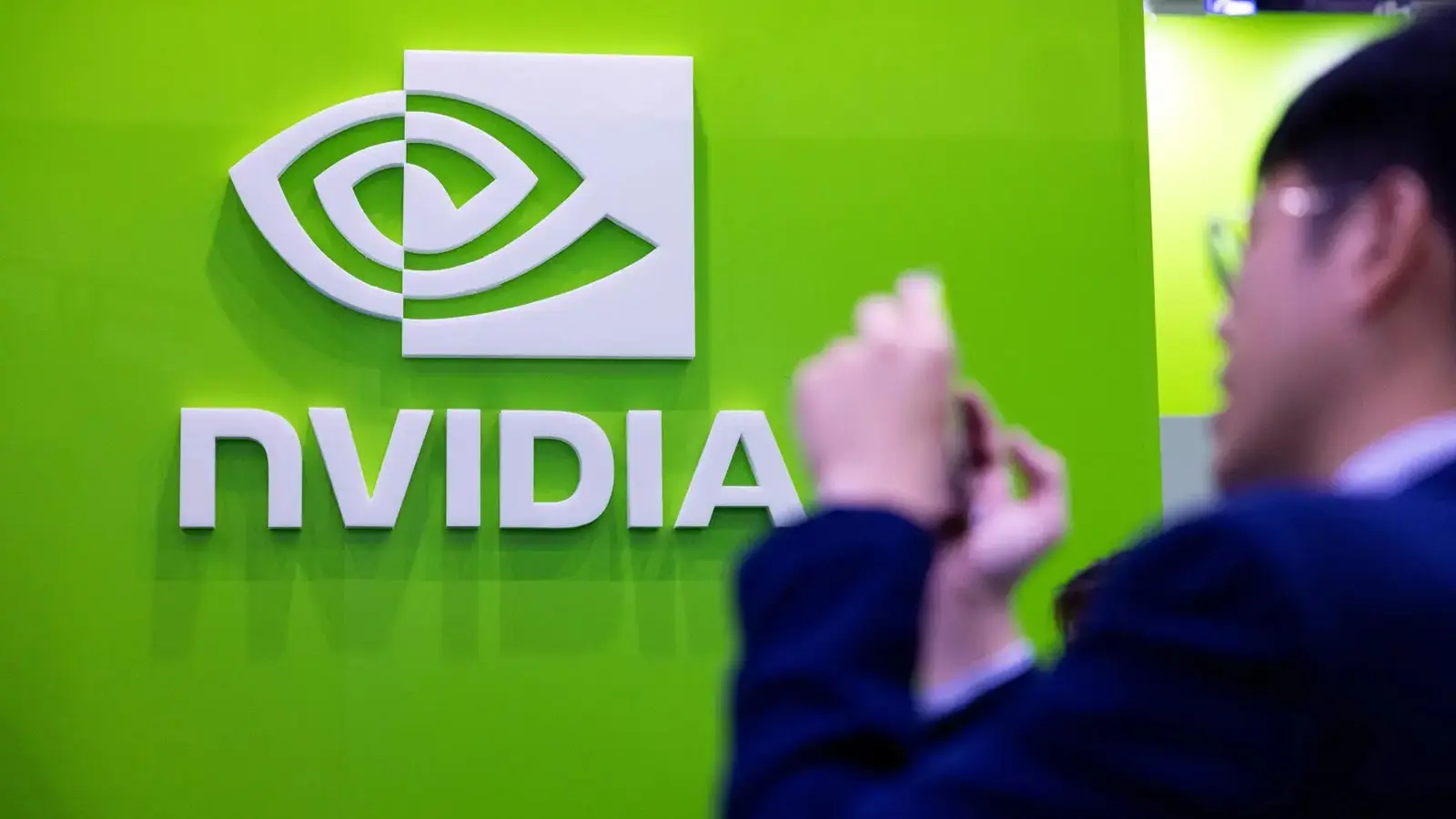
When you picture the race for AI dominance, chips and software sprint into view. Few imagine the quiet, humming substations nearby. Yet power is becoming the victory line.
Why electricity matters more than ever
Nvidia is preparing to invest up to €2.8 billion in Lancium, the Texas-based energy infrastructure developer that will help feed the massive power needs of new AI data centers. The initial tranche is about €1.9 billion, which would buy roughly a 20 percent stake in Lancium, a company currently backed by Blackstone. If Lancium meets milestones such as successfully connecting its sites to the grid, Nvidia has pledged another €930 million.
Put simply: chips need juice. Big time. Training today’s large models draws enormous and steady power. That makes access to reliable, flexible, and cost-efficient electricity not an afterthought but a strategic asset.
Lancium’s land and electrical infrastructure are estimated at around €9.3 billion in this transaction. The firm owns a 404-hectare site near Abilene, Texas, earmarked as the first live location for the Stargate initiative, the high-profile data center project backed by SoftBank, OpenAI, and Oracle. Lancium’s fresh capital will also bankroll expansion ahead of an anticipated initial public offering in 2027.

If Lancium hits its grid-connection targets, Nvidia will unlock the final €930 million commitment.
Why would Nvidia, already dominant in accelerators and software stacks, pour capital into power infrastructure? There are three blunt reasons. First, predictability: owning a stake in energy supply reduces exposure to local outages, surprises in power pricing, or curtailments. Second, economics: controlling energy costs at scale can shave meaningful percentages off total cost of ownership for hyperscale AI clusters. Third, leverage: a hand on the infrastructure wheel helps Nvidia steer how and where AI capacity grows.
This move also tightens the ties between chip makers, cloud builders, and energy operators. Expect more financial engineering where capital follows compute and power in lockstep. Investors and operators are now treating energy not as a commodity but as part of the platform.
The Stargate project is a test case. If the Abilene site proves its resilience and cost profile under heavy AI loads, it could set a template for future campuses. But the challenges are nontrivial. Integrating large intermittent renewables, negotiating grid interconnection timelines, managing peak loads, and securing transmission capacity all require technical finesse and patient capital.
There are broader implications for markets and policy too. Local utilities and regulators will watch closely as private capital builds capacity adjacent to public grids. Questions will surface about grid access, priority dispatch, and how to balance community needs with hyperdemand customers that can alter regional load curves overnight.
For competitors, this is a signal. Hardware excellence alone won’t secure long-term advantage. The companies that tie compute to reliable, affordable power stand to control data center economics. Expect rivals and cloud providers to pursue similar vertical plays, partnerships, or exclusive supply arrangements.
In the end, this is about wiring the next chapter of AI. Nvidia’s investment in Lancium is less a headline grab and more a wager on the invisible backbone of modern compute. The real battle may be fought not in chip fabs, but at substations, trenches, and on the poles where power meets progress.

“I love exploring gadgets, apps, and trends that redefine how we connect, work, and play in a digital world.”

Discussion
Leave a Comment
Comments (2)
I worked near a substation once, those delays are real. If Nvidia handles hookups right, huge cost wins but it's messy IRL
Power as moat? sounds plausible but is Nvidia turning into a utility? grid politics, permits, delays. if sites lag, wins slip