
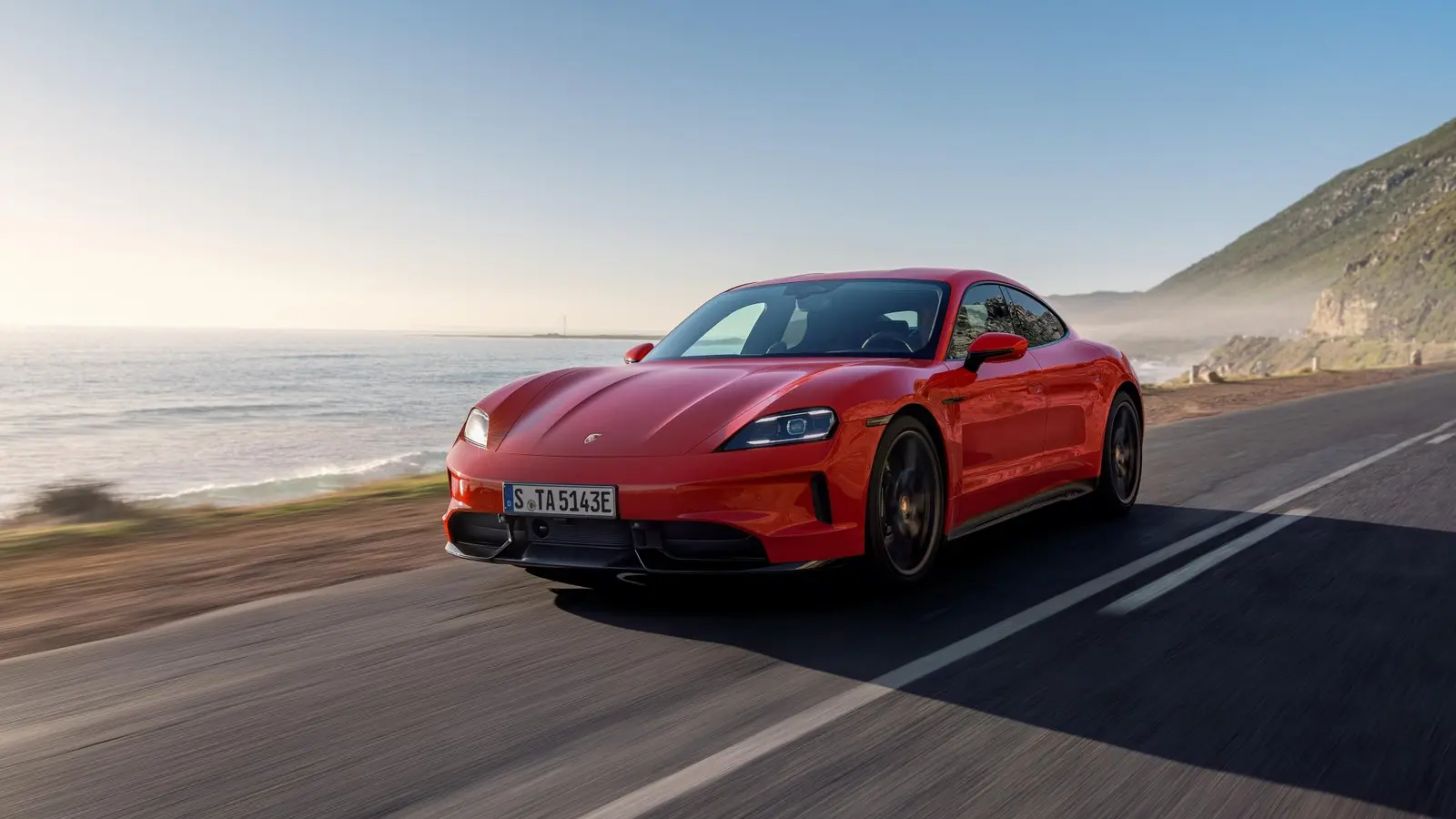
Imagine a brand that has long been synonymous with aspirational growth deciding to shrink on purpose. That is exactly where Zuffenhausen finds itself: scaling back output, pruning model lines, and sharpening its pencils on profitability.
Last year delivered a wake-up call. Operating profit plunged from 5.64 billion euros in 2024 to just 413 million euros in 2025. Operating margin followed suit, slipping from 14.1 percent to 1.1 percent. Those are not small bumps in the road. They are tectonic shifts.
Why the collapse? A mix of weak demand in China, supply shortfalls for certain internal-combustion models in Europe, and roughly 3.9 billion euros booked for reworking a combustion-heavy product plan. In short: the market changed faster than some of Porsche's programs could adapt.

Less volume, more margin — intentionally
Michael Leiters, the chief executive, is blunt. Porsche will sell fewer cars and insist on higher profitability per vehicle. That philosophy sounds simple. Execution rarely is. The company is fast-tracking a cost-cutting program, tightening manufacturing efficiency, and leaning into deeper technical and development integration with Audi so development bills are shared more widely.
For Porsche, fewer cars means better margins, and it is prepared to prove it.
People will ask: does that mean layoffs? Leadership has not confirmed numbers publicly, but operational streamlining and overhead reductions are front and center. The plan is to finalize the cost framework before the summer production pause in July 2026. Timing matters here; the quicker the reset, the less drag on next-year results.

There is also a product-level rethink. Porsche’s engineering resources will concentrate on models that carry higher margins and promise stronger returns on development spend. That is not the same as abandoning innovation. Instead, it is about being selective where engineering capital is applied.
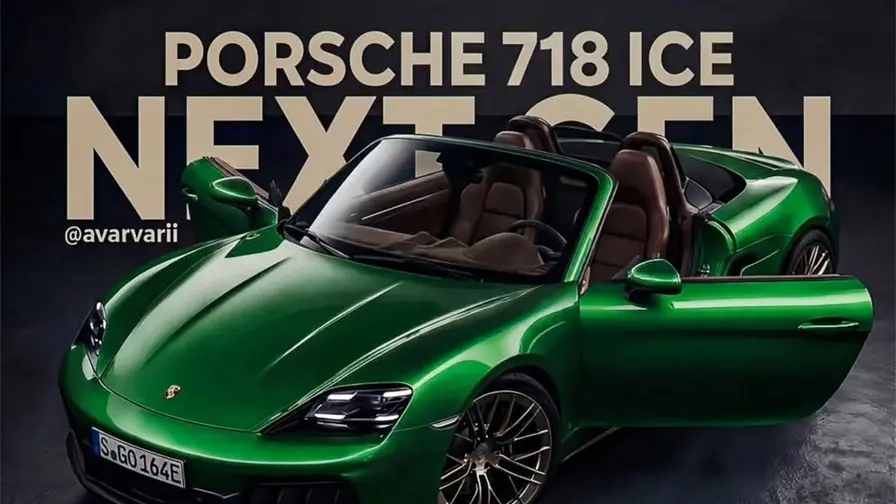
Take the 718 family. Porsche intends to keep it alive in both internal-combustion and electric flavors. A pragmatic decision. Keep the purists happy, while satisfying regulators and future demand for electrified sports cars.
At the other end of the spectrum sit the large SUVs. The rumored K1, a model pitched above the Cayenne, is under intense scrutiny. Initially framed as a pure electric flagship, the K1 may be reimagined as a twin project with Audi’s Q9 or shelved entirely if margins do not stack up. Development costs for a new flagship are massive. If the math does not support a worthwhile return, Porsche appears willing to walk away.

That is a cultural pivot. The company once chased record deliveries as a badge of success. Now it measures success by return on each car built. Does that erode brand reach? Possibly. Does it protect the balance sheet? Almost certainly.
For buyers and fans, the result could be a leaner Porsche range with sharper, more desirable models and fewer left-field experiments. For investors, the message is clear: profitability first.
Will customers miss a broader portfolio? Maybe. But in an industry facing shifting demand, tighter regulations, and steep electrification bills, a disciplined approach may be exactly what a performance brand needs to remain both exclusive and economically resilient.

“Cars are evolving faster than ever. I cover electric vehicles, smart mobility, and the future of transportation worldwide.”

Discussion
Leave a Comment
Comments (2)
Is Porsche really ready to shelve the K1? sounds like risk mgmt, or just cowardice. Profit over passion? hmm...
Didn't expect Porsche to go small on purpose. Sad but smart? Fewer cars, pricier ones - hope they don't kill the fun, and layoffs... ugh