
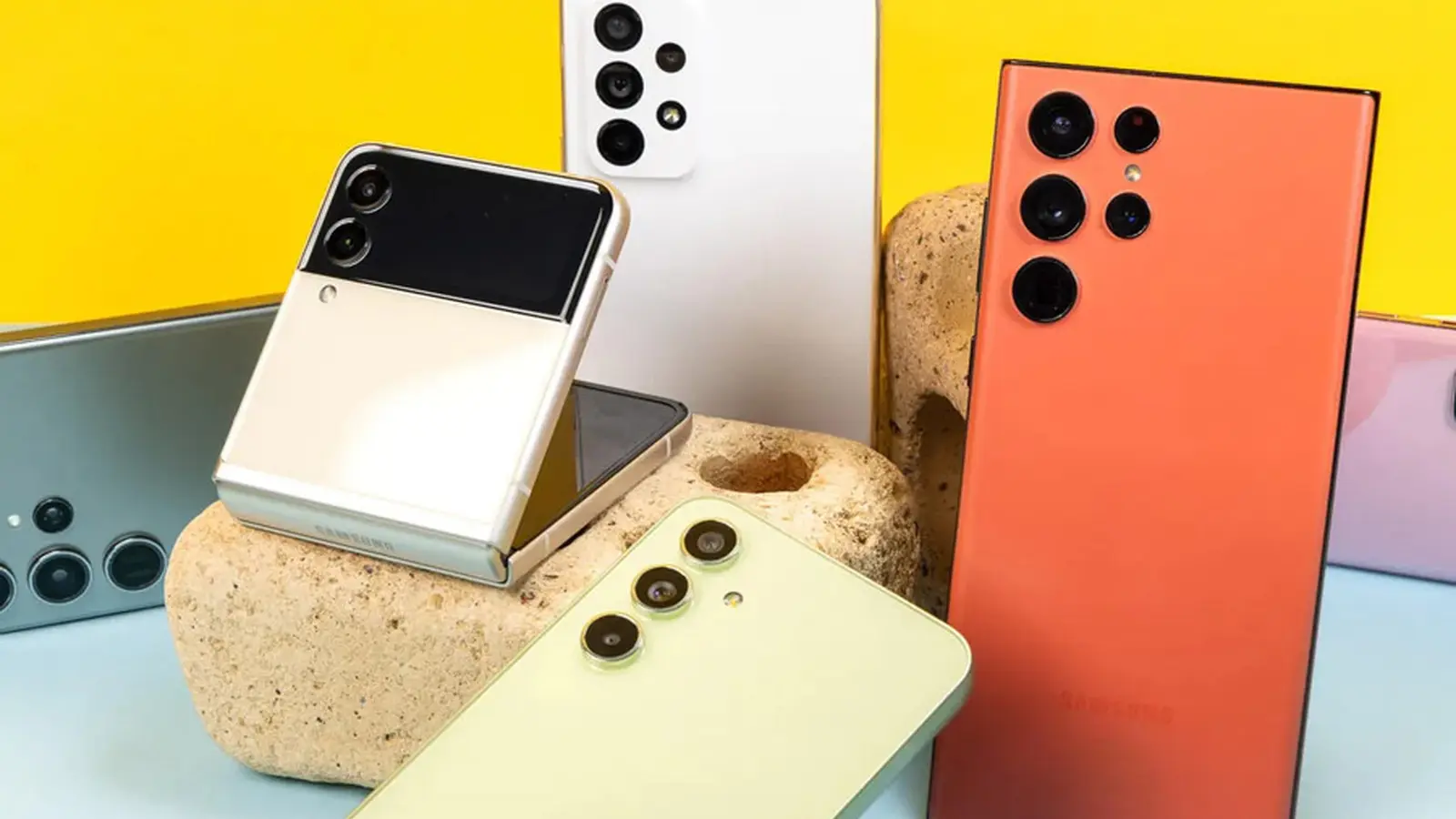
It looked like a victory lap for Samsung — until the mobile bill came due. The company's final results for the second quarter of 2026 reveal a strange split: booming profits in memory, historic losses in phones.
Samsung Electronics reported that its Device eXperience division posted an operating loss of 800 billion won (about €506 million) in Q2. Most of that pain landed in the Mobile eXperience unit: roughly 700 billion won (around €443 million), the arm that builds Galaxy phones, tablets, laptops, smartwatches and other wearables.
When memory prices rise, mobile margins slump
How did Samsung end up here? The short answer: memory. A strong rebound in memory-chip prices pushed Samsung's overall profitability to levels not seen in years, but it also helped expose cost pressure inside device businesses. Analysts say the company’s push to defend revenue with flagship launches like the Galaxy S26 and sharper operational discipline was not enough to offset rising component costs and squeezed margins.
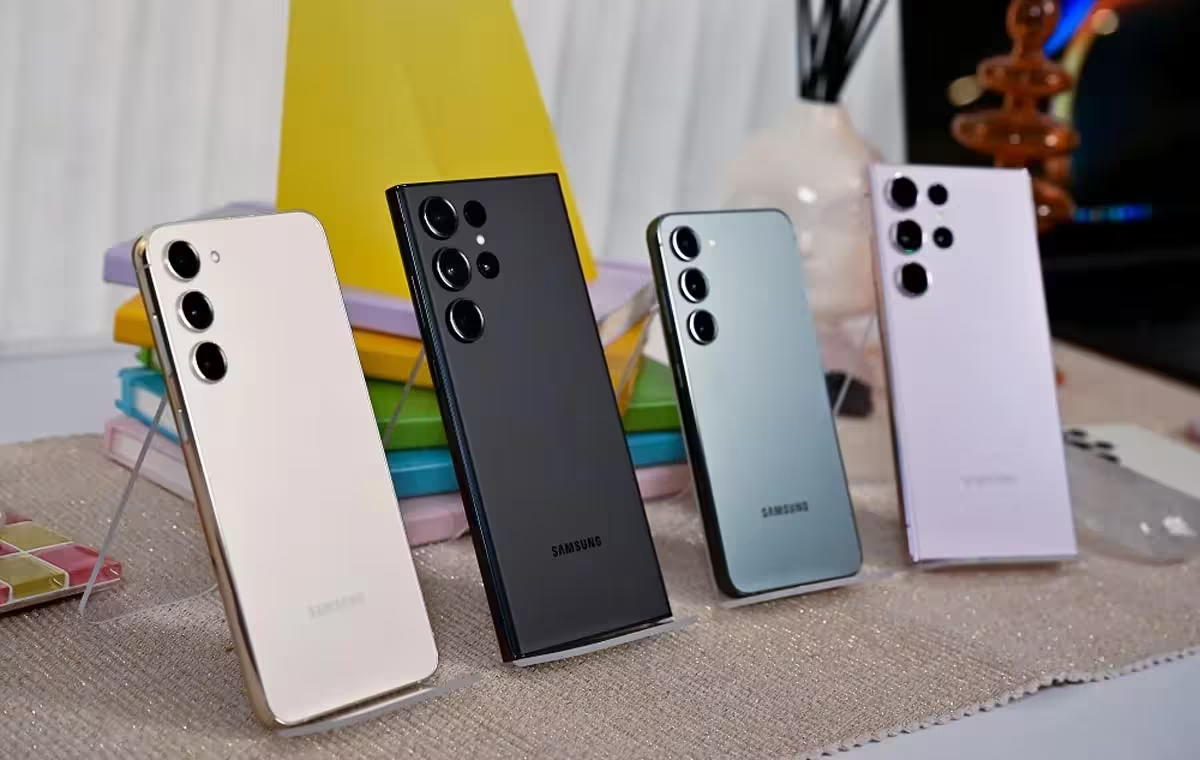
Other Device eXperience segments also struggled. Visual Display and Digital Appliances together recorded about a 10 billion won loss (roughly €6.3 million). Not every corner of the company suffered: Harman, Samsung’s automotive and audio unit, turned in an operating profit of 400 billion won (about €253 million), helped by steady demand for in-car digital systems and strong sales of audio brands such as JBL and Mark Levinson.
So what does this mean for Samsung’s phone business? Expect questions over pricing, inventory and product mix. Will Samsung lean harder on premium models and margins, or chase volume to regain scale? Rising memory costs can be cyclical, but when component inflation coincides with fierce competition in smartphones, even a market leader can see profits evaporate fast.
There’s also a strategic wrinkle: chips and devices are intertwined in ways few other device makers experience. Samsung benefitted from selling memory into a tight market, yet producing phones still requires many of those same components. That makes gains in one area insufficient to mask weaknesses in another.
Key takeaway: Samsung’s memory business rescued overall earnings, but its mobile division recorded an operating loss of about €506 million — a rare red flag for a company that has long dominated the smartphone landscape.

“I cover emerging technologies, digital innovation, and the intersection of tech and everyday life. My goal is to make complex trends accessible and inspiring.”

Discussion
Leave a Comment
Comments
No comments yet. Be the first.