
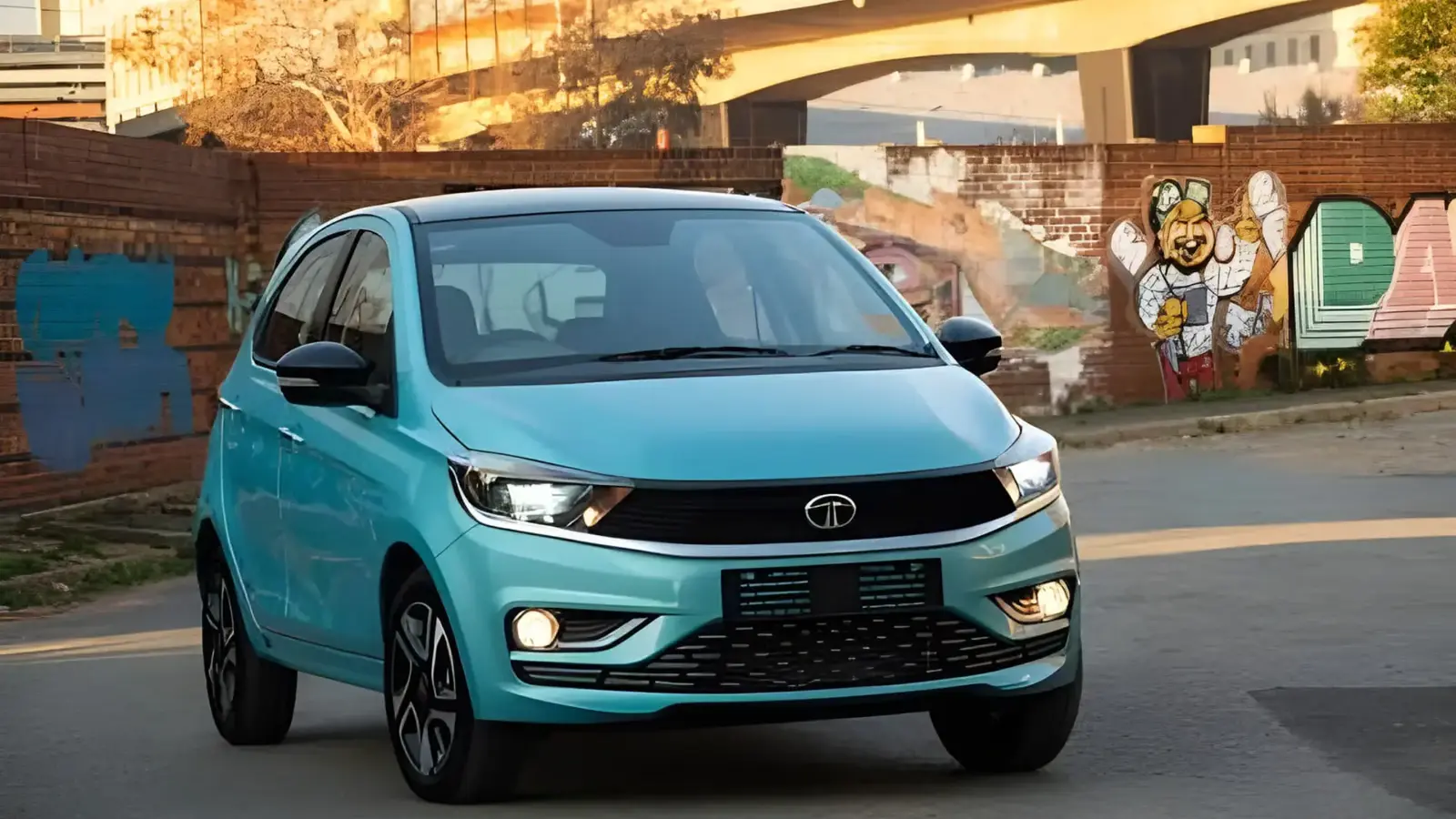
Investors got a rude awakening when Tata Motors reported an 80 percent collapse in quarterly profit. The stock for its passenger-vehicle arm tumbled as much as 6 percent in a single session. Sudden. Sharp. Unpleasant.
Share value slid to about €3.66 in trading, marking the steepest one-day percentage drop since mid-June. The trigger was not a single mistake. It was a series of pressures stacking up: rising input costs, fiercer discounts, and shrinking margins at Jaguar Land Rover.
Jaguar Land Rover’s drag on the group
JLR remains the heavyweight in Tata's portfolio, accounting for roughly eight out of every ten euros the company earns. Yet margins at the luxury unit underperformed analyst expectations, and the domestic passenger-car business also disappointed. When the luxury arm sneezes, the whole group catches a cold.

Independent houses like Jefferies flagged the problem plainly: rising competition, steep discounting, and high warranty expenses are eroding JLR's profitability. The bank cut its per-share earnings forecast for fiscal 2027 by about 10 percent. Nomura echoed those concerns, warning that margin pressure in JLR and softness at home will weigh on short-term cash flow.
Concrete figures underline the pain. Consolidated net profit for April to June fell to around €85.3 million, down from about €431.6 million a year earlier. Those are not rounding errors. They are a signal.
The CEO did not sugarcoat things. He warned that the second quarter will deliver another heavy blow. Not just to Tata. To the industry. Which raises a blunt question: how fast can Tata rein in costs and restore margins at its luxury division?
There are familiar levers. Cut discretionary spending. Trim incentives. Renegotiate supplier contracts. But in practice, those moves are messy. Demand and competition will dictate how far Tata can push without damaging sales momentum. And JLR faces its own structural hurdles: product competitiveness, warranty claims, and pricing pressure in key markets.

Investors will watch three things closely now. One, whether management can arrest margin deterioration at JLR. Two, how quickly commodity cost inflation eases or is absorbed. Three, whether domestic sales can compensate for weakness in luxury sales. Short-term recovery depends on all three moving in the right direction.
For the stock to regain an upward path, Tata needs more than platitudes. It must demonstrate concrete cost control, clearer margins at Jaguar Land Rover, and a believable plan for restoring free cash flow. Otherwise, the market will treat this as more than a cyclical wobble.
Practical reality: a rebound is possible, but it will take execution and time. Investors who expected a quick fix will likely be disappointed. Those who are patient—and who see the long-term potential in JLR if margins stabilize—may find opportunity in the turbulence.


“Cars are evolving faster than ever. I cover electric vehicles, smart mobility, and the future of transportation worldwide.”

Discussion
Leave a Comment
Comments
No comments yet. Be the first.