
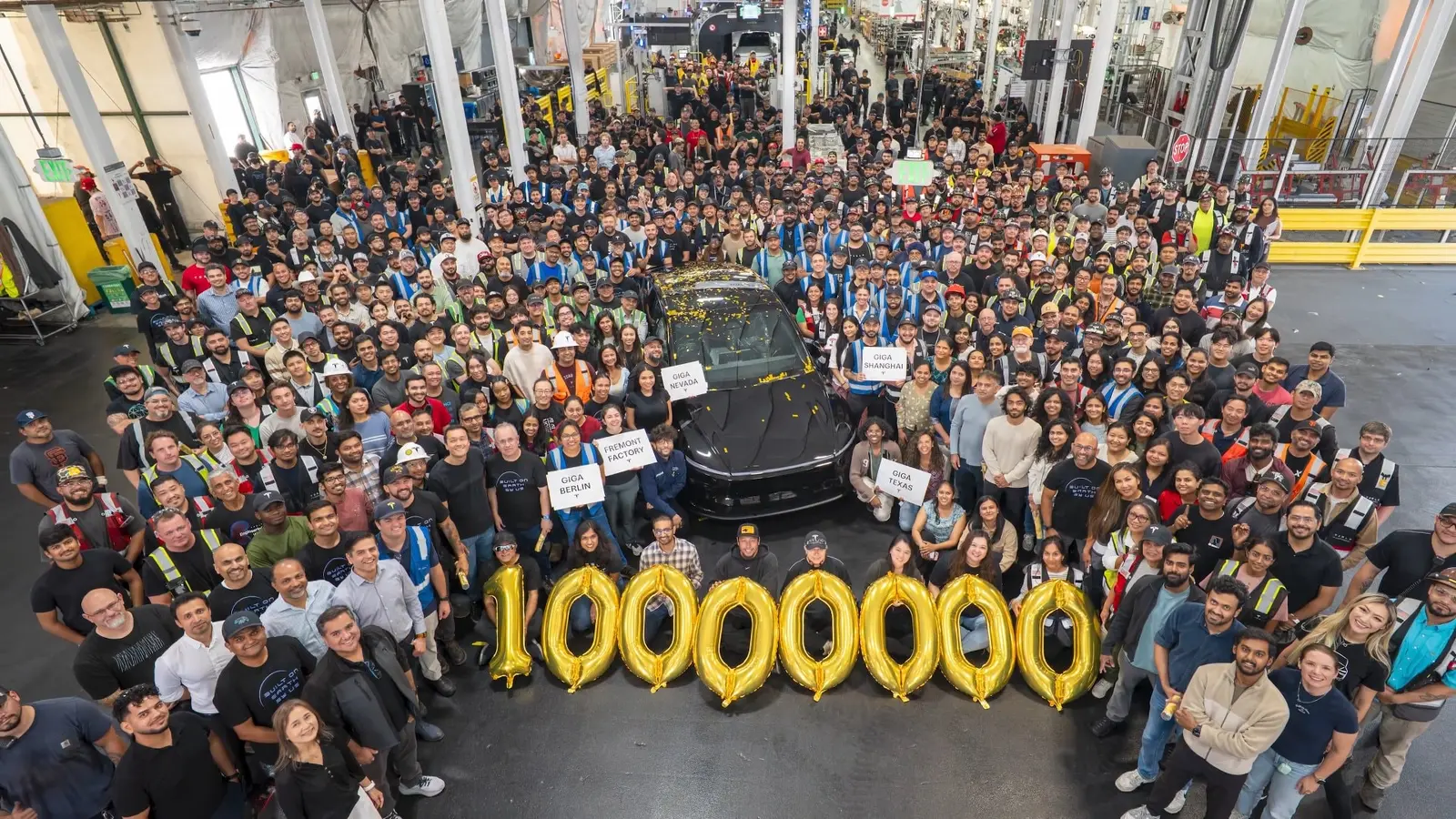
The Fremont plant flashed another historic tally and the number felt both inevitable and extraordinary. Ten million electric vehicles. Think about that for a moment. A company that once struggled to assemble a few thousand Roadsters a year has now crossed into eight-figure territory for pure battery-electric vehicles.
That milestone puts Tesla in a class of its own. Competitors have tallies that look similar at first glance, but the details matter. BYD reached 10 million new energy vehicles earlier, yet that total blends plug-in hybrids with full BEVs. Tesla’s 10 million are all battery-electric cars, SUVs, and trucks — no hybrid accounting. That distinction underlines a different kind of scale and commitment.

What the number actually means
The climb from the prototype Roadster to ten million cars required relentless scaling. The first million rolled out of Fremont in 2020, the same year Tesla began full production of the Model Y. Then everything accelerated. New factories sprang up across continents. Production capacity swelled to more than 2.375 million vehicles annually across five major sites.
Still, capacity is not the same as output. Recent quarterly production sat at about 451,758 vehicles, translating to roughly 1.8 million cars on an annualized basis. In plain terms: the factories could make more if demand, supply chains, or internal priorities shifted. They are not running flat out.
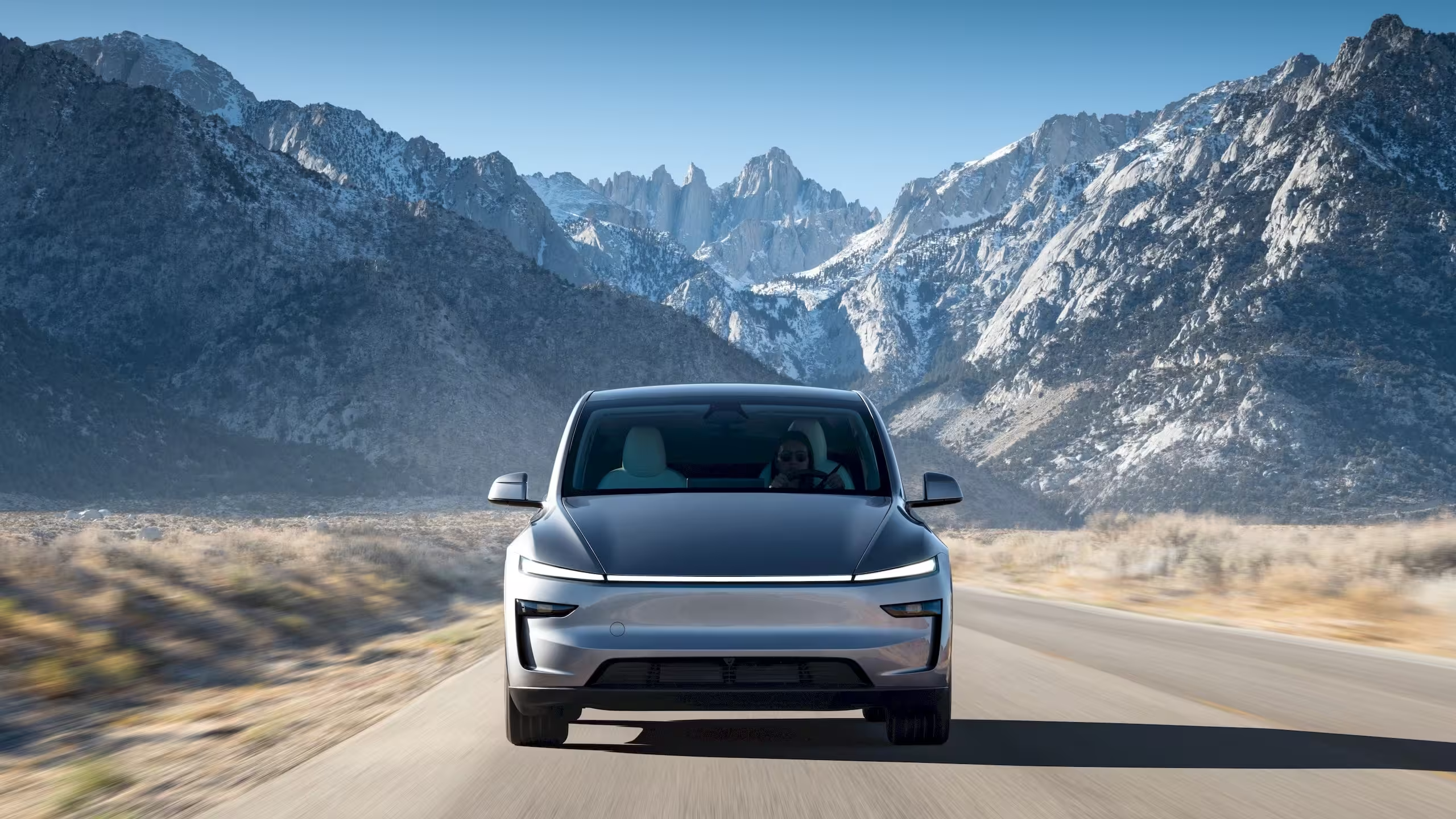
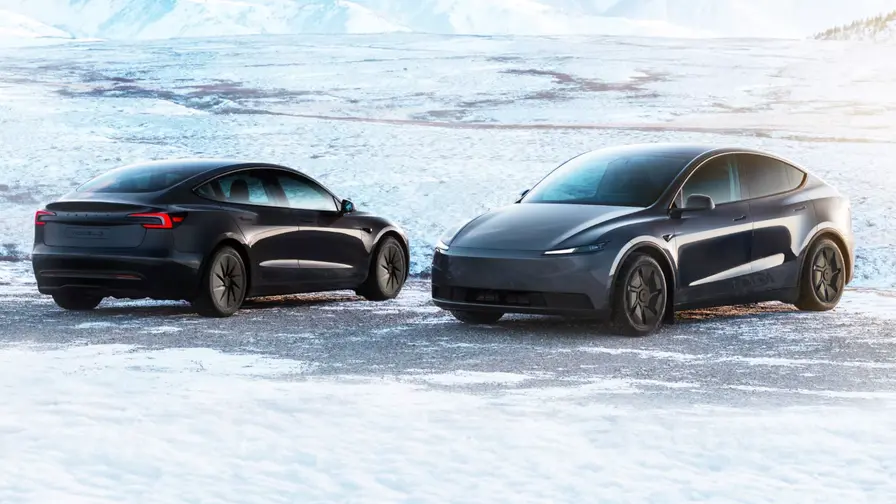
And what has been selling? The Model Y and Model 3 dominate the ledger. Those two models have accounted for the lion’s share of volume and have become the backbone of Tesla’s global reach. Short bursts of novelty — long-wheelbase variants or high-performance trims — help keep interest alive. But high-volume growth depends on broad appeal, affordability, and recurring refreshes.
Some headline-grabbing projects, like the Cybertruck and the Semi, still trail expectations. Cybertruck sales have underwhelmed so far. The Semi and the robotaxi ambitions remain promising but nascent. In other words: retail success and bold engineering are both part of the story, but they advance at different paces.
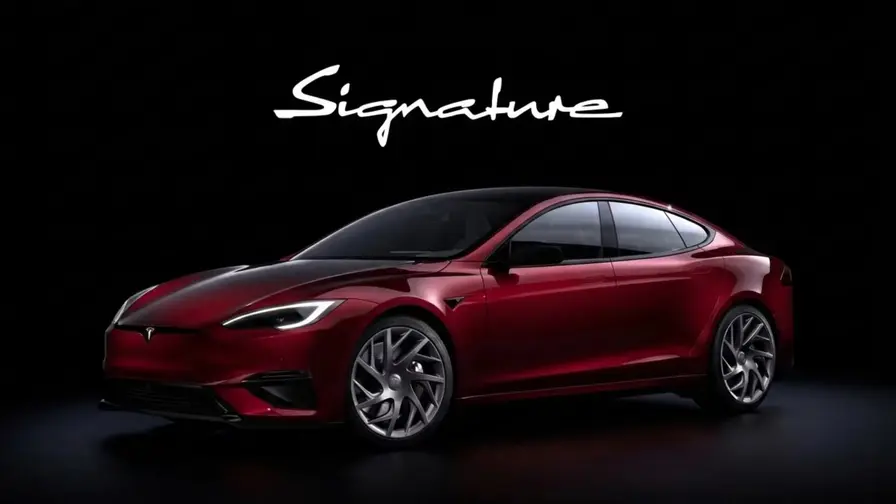

Why does the next 10 million look harder? Because the easy gains are largely behind Tesla. The rapid expansion from one million to ten million happened during a period of aggressive factory builds and global demand spikes. Repeating that same growth will require new, mass-appeal models, better use of existing capacity, or demand surges in markets that have started to plateau.
There’s also a corporate wrinkle. Elon Musk’s long-promised target of 20 million vehicles is tied to executive compensation milestones. That adds an extra incentive to bridge the gap — and also raises the stakes for the product roadmap. The company is juggling robotaxi development and humanoid robotics while still needing to refresh and expand mainstream models that actually move the volume needle.
Numbers tell another story about geography. Fremont remains symbolic, but Giga Shanghai now outproduces it. Factories in Germany and Texas play major roles too. Manufacturing power has become diffused, with each site optimized for local supply chains and market dynamics. That helps lower risk but complicates the path to a simple, single-line growth curve.

One bright sign: recent deliveries saw a 25 percent year-on-year increase in passenger vehicle shipments, driven in part by strong demand in Europe. Yet even that surge reads like a deceleration when mapped against Tesla’s earlier exponential growth. The delivery curve is tilting toward maturity.
So what will get Tesla from 10 million to 20 million? New high-volume models, tactical use of idling capacity, and clearer paths to mainstream robotaxis or purpose-built fleet vehicles. Also: pricing discipline, localized production, and continued software and battery improvements. Simple? Not at all. Possible? Very much so.
The headline is applause-worthy. Ten million EVs is a milestone few thought plausible a decade ago. The next chapter will test whether Tesla can convert engineering ambition into sustained, repeatable volume growth without abandoning the bold bets that made it a leader in the first place.

“Cars are evolving faster than ever. I cover electric vehicles, smart mobility, and the future of transportation worldwide.”

Discussion
Leave a Comment
Comments
No comments yet. Be the first.